As a high-profile trial over a Palestine Action raid on an Israeli-owned arms factory unfolds, one defendant has shared devastating personal details about losing his terminally ill mother while he was held in pre-trial detention, opening a new chapter of debate over the case and its ties to the Gaza conflict.
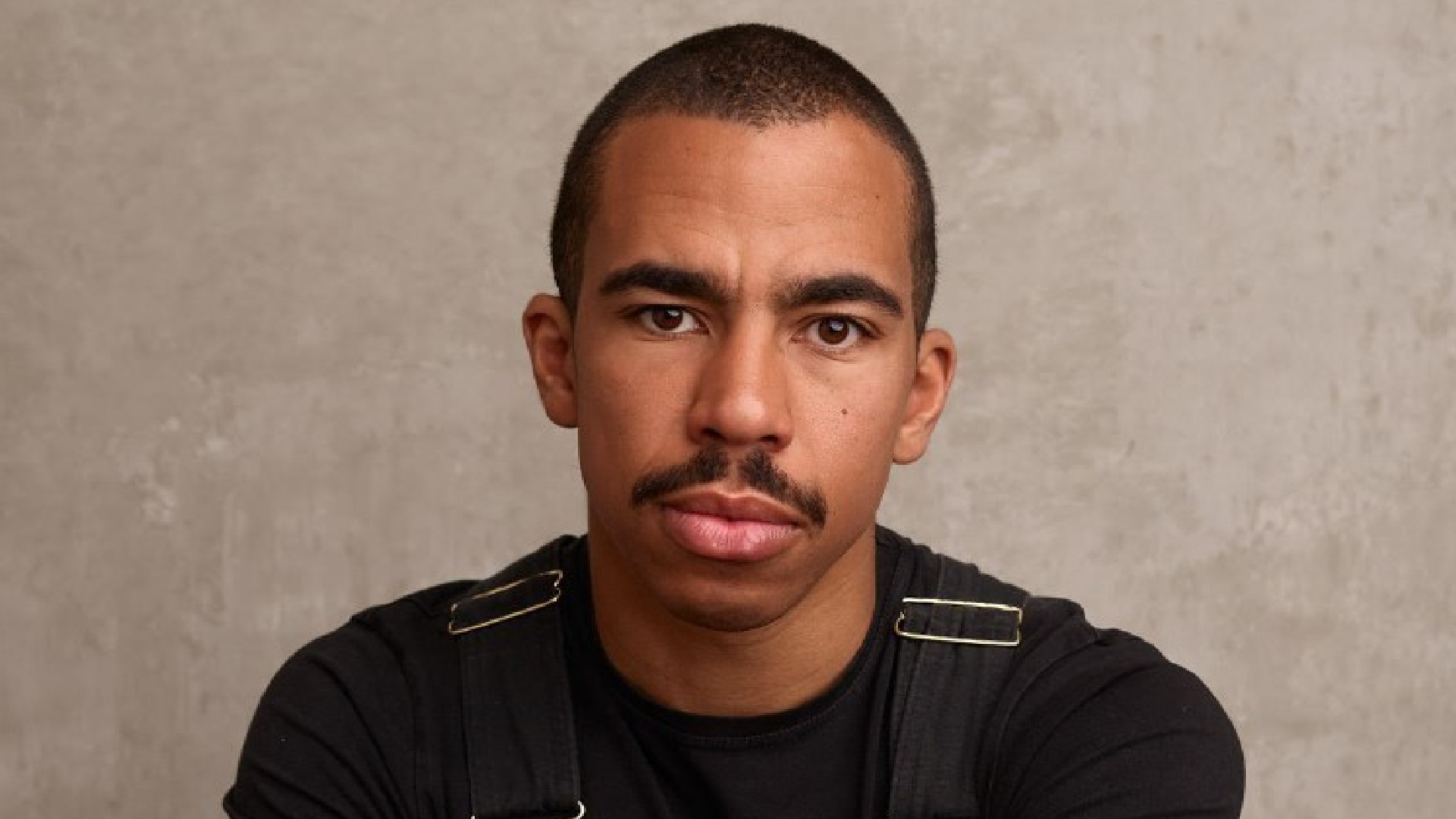
Thirty-five-year-old William Plastow, the grandson of Julius Nyerere — Tanzania’s revered first president — is one of eight people facing criminal charges linked to the August 2024 raid on an Elbit Systems facility in Filton, near Bristol. While none of the eight are accused of entering the factory premises during the action, prosecutors allege they coordinated the break-in by carrying out reconnaissance and purchasing necessary equipment. Last week, presiding judge Patrick Field acquitted Plastow of violent disorder, ruling the prosecution had failed to present sufficient evidence to support the charge; he remains formally charged with criminal damage.
Giving evidence to the court this week, Plastow laid out a personal and political context for his actions. Raised as an only child by his mother Jane Plastow in Leeds, he recalled childhood trips to Eritrea and Ethiopia, where his mother ran community theatre outreach programs for war veterans and children living in poverty. These experiences, he said, shaped his lifelong commitment to social justice. That commitment deepened dramatically after the October 7 2023 attacks and the subsequent Israeli military campaign in Gaza. “My awareness of Israel’s actions in Gaza increased vastly,” he told the jury. “I saw those images every day of kids being blown into pieces, massacres, buildings being knocked down with everyone inside them. How is anyone supposed to feel about seeing dismembered children and not being able to do anything about it?”
Plastow explained that he first turned to conventional forms of activism: joining mass protest marches, writing to his Member of Parliament, signing public petitions. But he soon came to see these actions as futile. “It felt very obvious that all of that was pretty futile,” he said. It was around this time that he first encountered Palestine Action, a direct-action group targeting companies linked to Israeli arms supplies. The group first caught his attention after a successful rooftop protest that forced a property owner to cut ties with Elbit, and he noted the group had already managed to shut down multiple facilities supplying what he described as “genocidal machinery to slaughter children in Gaza”. He compared the discovery of Elbit’s UK operations to learning that Zyklon B gas for Auschwitz was being manufactured 10 minutes from his home, with no public pushback.
After attending a Palestine Action training session, where he heard firsthand accounts of “unimaginable suffering” from a Gaza native, Plastow said he agreed to participate in a low-profile lock-on protest at an Elbit drone factory in Leicester in April 2024. He was convicted of criminal damage for that action. He emphasized that the group operates on a strict “need to know” basis, with very little information shared with participants ahead of actions, and described the loosely affiliated network as “chaotic” rather than the tightly organized conspiracy prosecutors have described. “Nothing about Palestine Action could be described as highly organised,” he said. “It’s a bunch of loosely connected people scrabbling around.”
Following the Leicester action, Plastow said he had no interest in participating in further on-the-ground direct actions due to work commitments, but agreed to purchase equipment for the group when asked in early August 2024. Co-defendant Sean Middlebrough contacted him via the encrypted messaging app Signal to request he buy rucksacks, protective gear, and crowbars, but never disclosed what the equipment would be used for. “It was a very busy time for me, a play I’d been trying to put together was falling apart,” Plastow told the court. “I was just paying attention to the things I’d been asked to buy and get them ready in as time-efficient a way as possible.” He told the jury he never heard of the Filton site before the day of the raid, and had no idea the equipment was destined for the action.
Days later, when a Palestine Action activist named Charlotte Head — part of the on-the-ground team that entered the Filton factory — arrived at his Manchester home in a distinctive prison van to collect the equipment, Plastow said he was caught completely off guard. Head appeared frazzled, he said, after being told she could not go to the pre-planned staging location she expected. She had nowhere to go, so Plastow allowed her to stay the night, and when Middlebrough and co-defendant Ian Sanders arrived the next day, the three left together in the van. Prosecutor Harry Warner suggested that by hosting Head, Plastow was knowingly assisting the group’s plan to damage Elbit property. Plastow pushed back on this: “I was trying to assist a young woman who was stressed out to have a place to stay for the night and not have to sleep in a van.”
Plastow only learned of the Filton raid on the morning of August 6, when he saw a public post from Palestine Action on X (formerly Twitter) announcing the action. The post stated that activists had “directly intervened in Elbit’s genocidal supply chain” by dismantling weapons and machinery inside the factory. After seeing a subsequent BBC News report confirming the raid and the arrest of multiple activists, Plastow said he strongly suspected the equipment he had purchased had been used for the action — and that he felt “duped”. He told the jury he would never have agreed to participate had he known the scope of the operation.
Five days after the raid, on August 9, Plastow was arrested by roughly 20 counter-terrorism police officers. He told the court he was held for six days in a windowless white cell where the lights stayed on 24 hours a day, conditions he compared to the treatment of fictional serial killer Hannibal Lecter. What made this timing even more devastating, he said, was that this period of detention was the final days he could have spent with his mother, who was in the end stages of terminal cancer. He was denied bail for 18 months following his arrest, only granted release on compassionate grounds to spend the final four days of his mother’s life at her bedside. “I missed the last year of her life,” he told the court.
Forensic analysis of Plastow’s phone and laptop, conducted by investigators, has backed up his account of no prior knowledge of the Filton operation. His defense lawyer Alex Rose told the jury that no evidence was found of Plastow accessing the encrypted planning document for the Filton raid, no history of searching for the Filton site or related planning materials, and no record of him joining group Signal calls related to the action. The only reference to the raid found on his devices before August 6 was the public Palestine Action post he viewed on the morning of the action.
When pressed by prosecutors that he must have known the equipment he bought would be used to damage Elbit property, Plastow acknowledged he knew the items would serve Palestine Action’s core goal. “I knew they were going to be used towards the aims of Palestine Action, which were ultimately to save lives,” he said.
The trial against the eight defendants is ongoing.