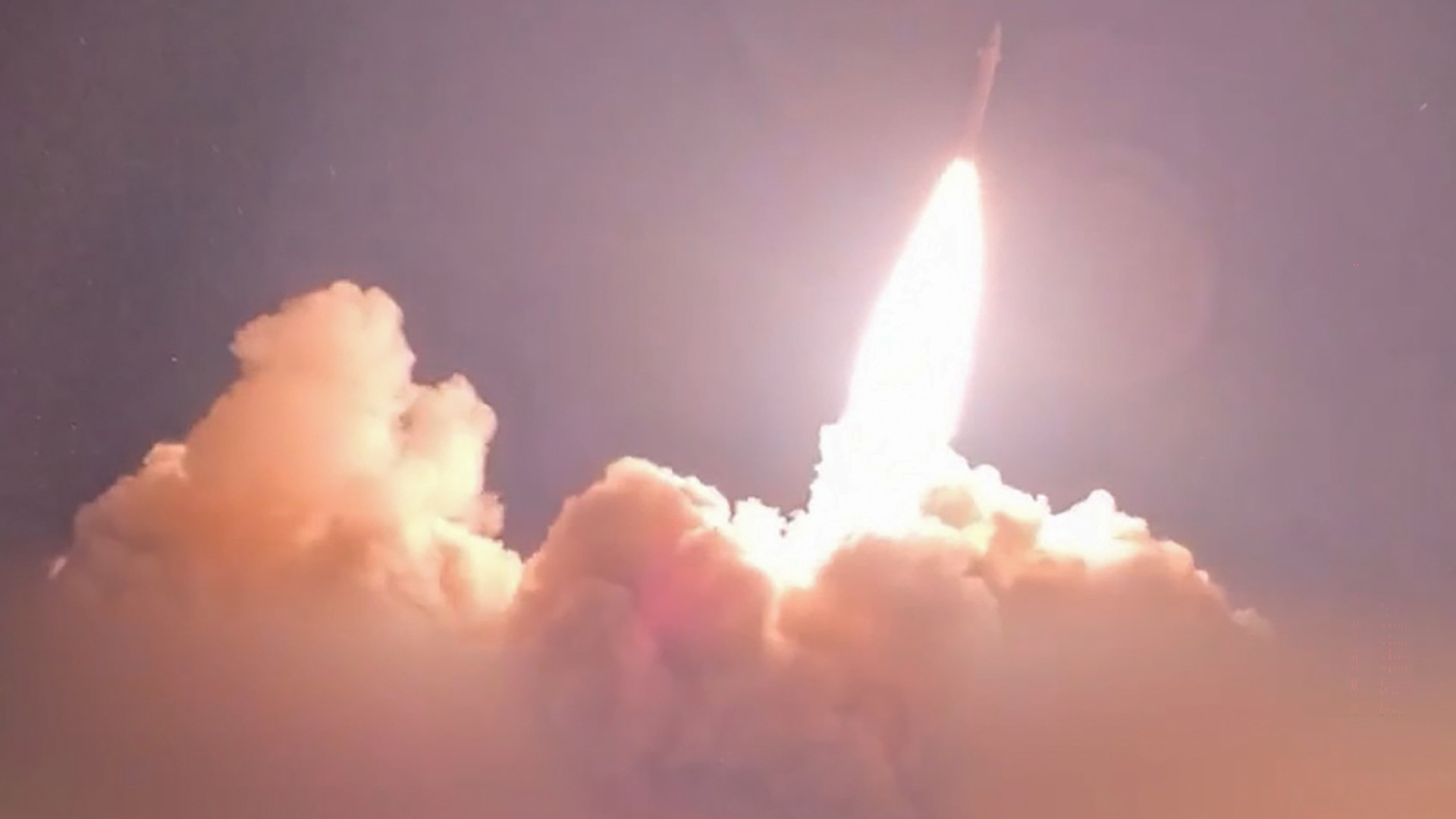
A sharp escalation of conflict across the Middle East unfolded on Friday, as Iran’s Islamic Revolutionary Guard Corps (IRGC) announced it had targeted a United States special operations command center near Syria’s al-Tanf border outpost, marking the first reported Iranian attack on Syria-linked US positions since the US-Israeli campaign against Iran began in late February. The strike, which Iran framed as retaliation for the recent killing of Iranian soldiers in the southeastern city of Iranshahr, was detailed in a statement carried by Iran’s Tasnim News Agency, but independent verification of the IRGC’s claim remains unavailable through Middle East Eye. A Syrian military source speaking to Reuters clarified that while an Iranian attack did occur in the al-Tanf area – a strategic zone located near Syria’s triple border with Jordan and Iraq, from which the US military confirmed its withdrawal earlier this year – the strike did not actually hit the former base compound, and no casualties or material damage were recorded. Syria has long sought to insulate itself from the widening regional conflict, with President Ahmed al-Sharaa reaffirming in March that the country would remain neutral unless directly attacked. The IRGC’s cross-border strike came as the US military carried out its sixth straight night of bombing operations across Iran, extending a campaign that resumed on June 22. Fresh strikes on Friday targeted Iranshahr Airport in southeastern Iran, damaging critical infrastructure including electrical facilities and a fuel storage tank that sparked a widespread power outage in the area. Iranian state television reported that at least one civilian was wounded in the attack. Additional US strikes on bridges across southern Iran killed at least seven civilians, Iranian state media confirmed, with at least five key crossings damaged, including the vital Gariveh Bridge in Hormozgan province’s Khamir County. Explosions were also reported Friday in the southeastern port city of Chabahar, and a separate US strike on a residential neighborhood in the southern coastal city of Bandar Abbas left one person dead and eight injured, according to local media. These escalating military moves come even as the White House has signaled openness to diplomatic de-escalation. White House Press Secretary Karoline Leavitt stated Thursday evening that President Donald Trump remains “open to diplomacy” and that backchannel talks between US and Iranian officials are continuing despite soaring tensions. As of Friday, Iran’s Ministry of Health reported that the ongoing US bombing campaign has left at least 38 people dead and more than 400 injured across the country. Ministry spokesperson Hossein Kermanpourm confirmed that the casualty toll includes one child and three women killed, with an additional nine children and 22 women wounded. The IRGC’s retaliatory actions extended across the region Friday, with drone and missile attacks targeting US military assets positioned in multiple neighboring Gulf states. Kuwait’s military announced its air defense systems activated to intercept “hostile missile and drone attacks” launched from Iranian territory. In Bahrain, national emergency sirens were activated across the country, with the interior ministry urging civilians to seek shelter in the nearest safe location. Tasnim News Agency reported that Iran’s strike targeted US helicopters and a reconnaissance aircraft at Bahrain’s Sakhir Air Base. Early Friday, multiple explosions shook Qatar’s capital city of Doha, after Qatari authorities confirmed they intercepted an incoming missile attack. Qatar’s interior ministry reported one child was wounded by falling shrapnel from the interception operation. The IRGC also confirmed it targeted a US maritime surveillance radar installation in Oman. Jordan’s military announced three Iranian missiles bound for Jordanian territory were successfully intercepted, with no casualties or damage reported. In northern Iraq’s Kurdish region, the US-led international coalition shot down multiple drones over the city of Erbil, according to local Kurdish counterterrorism forces. Parallel to the cross-border escalation between Iran and the US, Israeli forces are moving to solidify their control over southern Lebanon, with Israeli daily newspaper Maariv reporting that the Israel Defense Forces has begun constructing a new line of permanent military outposts along the southern part of the country. This development adds another layer of instability to an already fractured region.
IRGC says it hit US special operations unit in Syria as bombs fall on Iran for sixth night