On Wednesday, two prominent U.S.-based organizations advocating for Palestinian rights took legal action in a New York federal court, asking for an injunction to halt the Trump administration’s aggressive enforcement of sanctions against any individuals or groups that engage with the International Criminal Court (ICC).
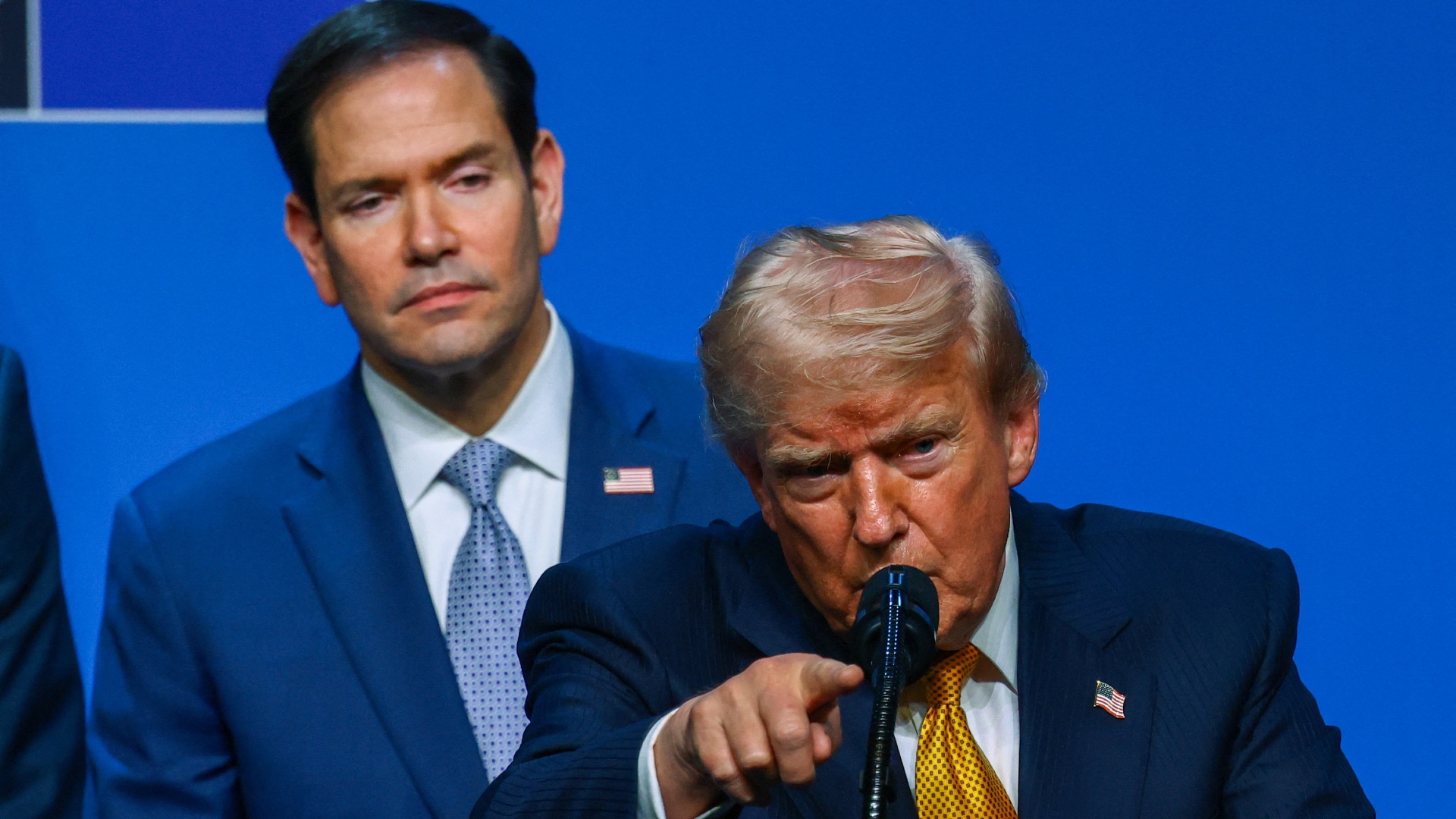
The plaintiffs in the case are Democracy for the Arab World Now (DAWN), an organization founded by assassinated Saudi-American journalist Jamal Khashoggi, and the Taxpayer Alliance Against Genocide (TAAG). The groups moved quickly to file suit following a provocative opinion piece published earlier this week by U.S. Secretary of State Marco Rubio, in which he openly threatened to dismantle the international tribunal “brick by brick.”
Early in his current presidential term, Donald Trump signed Executive Order 14203, which grants federal officials broad authority to impose economic sanctions on any foreign national that supports ICC probes into alleged war crimes, crimes against humanity, and genocide committed by U.S. and Israeli citizens. The order also codified a new federal criminal offense, penalizing any person that provides or receives a “service” to or from a sanctioned individual or entity. The Trump administration has framed the ICC’s investigations as a national emergency, arguing the court has no legal jurisdiction over acts committed by U.S. and Israeli personnel during armed conflict.
Washington’s fraught relationship with the ICC dates back decades. While the U.S. played a role in the court’s early founding and signed the landmark Rome Statute in 2000 under the Bill Clinton administration, it never submitted the treaty to the U.S. Senate for ratification, driven by longstanding fears that the tribunal could prosecute U.S. military personnel and government officials for alleged war crimes committed during the conflicts in Afghanistan and Iraq.
To date, the Trump administration has used the sweeping powers of Executive Order 14203 to sanction multiple ICC prosecutors and judges, as well as three leading Palestinian human rights groups: al-Haq, al-Mezan, and the Palestinian Centre for Human Rights. In a high-profile move that drew widespread international condemnation, the administration also sanctioned Francesca Albanese, the United Nations Special Rapporteur on human rights in the occupied Palestinian territories.
In a public statement outlining the lawsuit, DAWN warned that the vague, overbroad wording of the executive order puts the organization and TAAG at severe risk of civil and even criminal penalties. Because the term “service” can be interpreted by the government to cover almost any activity that provides a benefit to a recipient, routine advocacy work that many rights groups conduct could become illegal. For example, DAWN noted it could face legal consequences for submitting an amicus brief to the ICC encouraging investigations into potential crimes, or even simply sharing evidence and analysis with sanctioned Palestinian rights groups or with Albanese.
Facing this pervasive legal threat, DAWN and TAAG — along with many other U.S.-based advocacy groups — have already been forced to censor their own work. Multiple organizations have paused all projects related to the ICC and cut off professional ties with the sanctioned Palestinian groups and Albanese, the statement added.
Joe Pace, the lead attorney representing the two organizations, told reporters during a Wednesday press briefing that Trump’s sanctions regime is a “textbook infringement” on First Amendment protections for free speech. “The Constitution does not permit the government to pick and choose what topics American citizens can discuss amongst themselves or with foreign parties,” Pace emphasized.
Rubio’s broad attack on the ICC has reinforced the view shared by many critics that the U.S. and its closest allies are waging an all-out diplomatic campaign against the tribunal specifically because it is moving to hold Israel accountable for alleged war crimes in Gaza. The military campaign in Gaza has been labeled a genocide by multiple United Nations human rights bodies, independent human rights organizations, and leading genocide scholars.
In his opinion piece published by The Wall Street Journal on Monday, Rubio argued that the ICC’s investigation into actions by U.S. military and law enforcement personnel represents a dangerous overreach of the court’s authority. He claimed allowing the ICC to exercise jurisdiction over U.S. citizens would fundamentally undermine American sovereignty, writing “It would mean the death of the US as a sovereign and independent nation.”
Rubio also released a pre-recorded monologue addressing the issue on the social platform X on Monday, where he claimed the court is attempting to strip U.S. citizens of their right to be tried under American law by a jury of their peers. “But today, powerful people in far away places want to take that away from us. They believe that they should be in charge of your laws, of your country, your life – and they don’t care whether or not you agree,” he said in the video. He added that American voters do not know the identities of the ICC’s judges, prosecutors, and leadership, and “they shouldn’t have to,” while repeating his accusation that the tribunal is waging a deliberate campaign against American sovereignty.
Rubio claimed that opposition to the ICC’s activities enjoys bipartisan support in the U.S. The court was established in 2002 in response to mass atrocities and genocides in conflict zones including Rwanda and the former Yugoslavia. Notably, however, Rubio made no direct mention of the ICC’s outstanding arrest warrants for Israeli Prime Minister Benjamin Netanyahu and his former defense minister Yoav Gallant. The pair are wanted on charges of crimes against humanity committed during Israel’s ongoing military campaign in Gaza, which has killed more than 73,000 Palestinians since October 2023, according to local health authorities. The ICC also issued arrest warrants for three senior Hamas leaders for alleged war crimes committed during the group’s October 7, 2023 attack on southern Israel; all three have since been assassinated by Israeli forces.
DAWN, for its part, has a long history of submitting evidence and legal filings to the ICC. Past submissions include a 2022 filing calling for sanctions on the Israeli military’s ultranationalist Netzah Yehuda Battalion, a 2023 submission naming senior Israeli military commanders implicated in the ongoing Gaza campaign, and a 279-page filing in January 2025 asking the ICC prosecutor to open an investigation into former U.S. President Joe Biden and his top cabinet officials for aiding and abetting war crimes and genocide in Gaza.