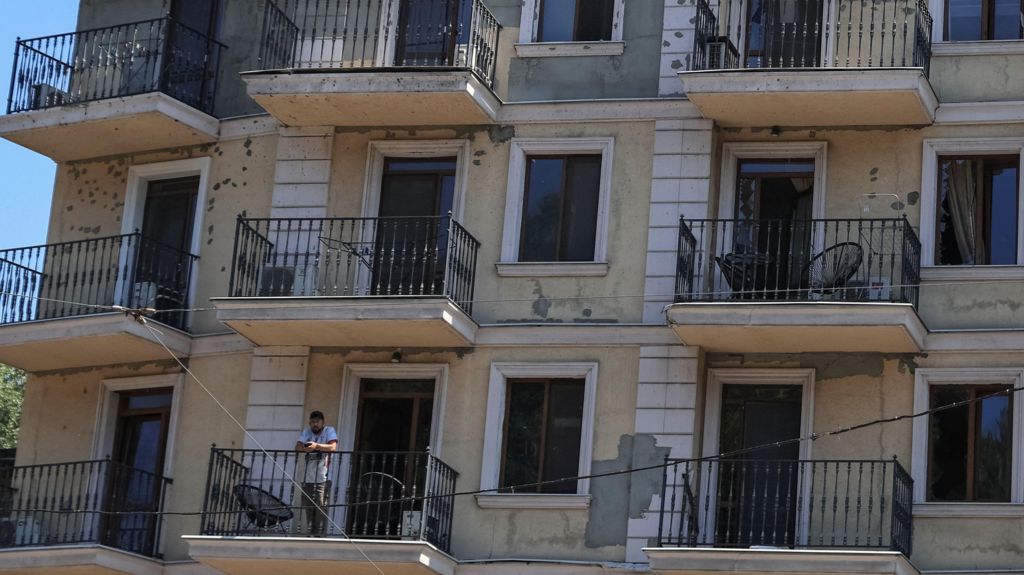
A new wave of deadly Russian strikes on Ukraine’s southern Odesa region has left three civilians dead, marking five consecutive days of targeted assaults on the strategic Black Sea port area that underpins Ukraine’s wartime economy. The overnight attacks that began late Tuesday damaged a multi-story residential building, a non-civilian structure and a local gas pipeline, Odesa regional governor Oleh Kiper confirmed in a Telegram post Wednesday. Kiper accused Russian forces of intentionally targeting civilian populations alongside critical industrial and port infrastructure, a charge that contradicts Moscow’s official claims about the strikes.
Russia’s Ministry of Defense stated the attacks were deliberately focused on port facilities used to unload fuel products, and that all targets were linked to Ukrainian military weapons manufacturing and cargo transport operations. The targeted deepwater ports in the greater Odesa area handle the vast majority of Ukraine’s grain and commercial cargo exports, making them a strategically critical asset for the country’s wartime economic stability.
The assault on Odesa coincided with a major reciprocal strike by Ukrainian forces, who announced their drones had hit 20 Russian vessels operating in the Black Sea overnight. This latest attack follows a series of intensive strikes on Russian shipping in the nearby Sea of Azov, a waterway bounded by Crimea, eastern Ukraine’s coastline and mainland Russia. According to Reuters reporting, the persistent Ukrainian attacks on shipping have forced Russia — the world’s largest grain exporter — to suspend commercial traffic through the Sea of Azov, which carries roughly a quarter of the country’s total grain exports.
Parallel to the escalating military clashes on the Black Sea frontlines, Ukraine is navigating a sudden domestic political shakeup. On Tuesday, Ukraine’s parliament approved the resignation of Prime Minister Yulia Svyrydenko, who had held the post for less than a year. The dismissal came amid widespread pushback from lawmakers, who raised questions about the lack of a clear public explanation for the leadership change. Serhiy Koretskyi, the current head of Ukraine’s state-owned energy giant Naftogaz, is widely tipped as Svyrydenko’s successor, with a parliamentary confirmation vote scheduled for Thursday.
The unfolding violence and political shifts come as European Commission President Ursula von der Leyen arrived in Kyiv on Wednesday for her 11th visit to Ukraine since Russia launched its full-scale invasion in 2022. Von der Leyen called the visit a “special moment” on social media, noting that she would present new cooperation initiatives designed to ramp up joint defense production between the European Union and Ukraine. The announced initiatives are expected to streamline collaboration, enabling both sides to increase defense output at a faster pace to support Ukraine’s frontline needs.