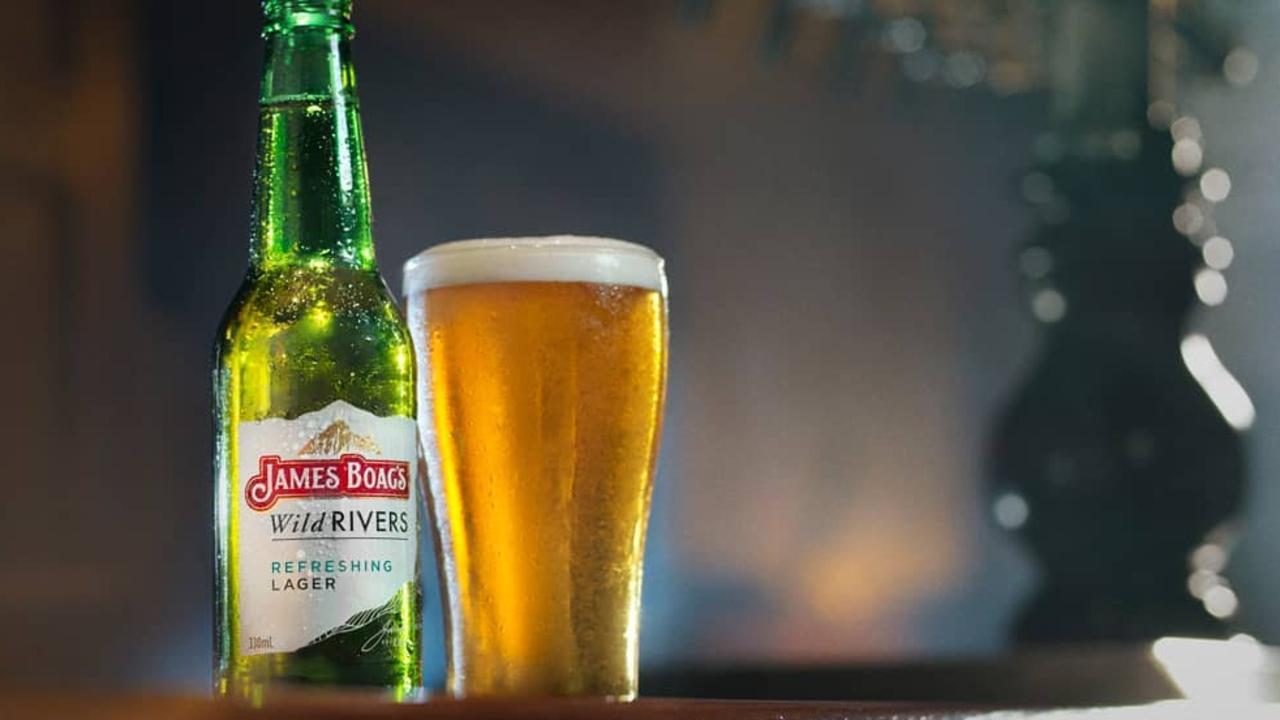
One of Australia’s most historically significant breweries, the 143-year-old James Boag Brewing facility in northern Tasmania, may avoid permanent closure after its Japanese parent company gave preliminary backing to a Tasmanian state government acquisition proposal.
The site, which first opened its doors in Launceston — Tasmania’s second-largest city — in 1881, has stood alongside Hobart’s Cascade Brewery as one of the nation’s oldest operating commercial breweries. Last month, its parent firm Lion, a beverage distribution giant wholly owned by Japan’s Kirin Holdings, announced plans to permanently shut down production at the Launceston facility this coming November, a decision that immediately sparked widespread community outcry and put 42 local jobs at risk.
Tasmanian Premier Jeremy Rockliff confirmed this week that Kirin has now granted in-principle support for the state government to advance a full acquisition of the brewery site. Speaking after a high-level meeting with Kirin leadership in Japan, Rockliff emphasized the site’s irreplaceable place in Tasmania’s industrial and cultural identity. “The Boag’s site is woven into the fabric of our state’s heritage, so any transition must be handled responsibly, with an unwavering focus on unlocking long-term economic opportunity for Launceston and the entire north,” he said. “Any future planning for the precinct must balance three core goals: protecting the site’s unique heritage character, attracting new private investment that creates and preserves local jobs, and building a space that can adapt to meet the needs of coming generations.”
As of Wednesday, no details have been released on the potential purchase price the government is considering, nor has a formal plan been announced for the site’s future use. Rockliff confirmed that both Kirin and Lion have committed to collaborating closely with the state government and Launceston City Council to explore all viable future options. The two sides have also agreed to move forward with required enabling legislation to streamline future redevelopment of the site, a process made necessary by the site’s complex land and infrastructure status.
Rockliff acknowledged that the original announcement of the brewery’s closure came as a devastating shock to the 42 employees working at the facility and their families. “Following advocacy that directly reflected community and worker concerns during our meeting in Japan, Kirin has agreed to seriously review additional requests for enhanced worker support packages,” the Premier said. Next week, he will meet directly with Lion CEO Anubha Sahasrabuddhe to advance negotiations around workforce transition support ahead of the planned November shutdown. “Workers have been our top priority from the day this announcement was made, and we will keep fighting to secure the best possible outcome for them,” Rockliff added. He also noted that Kirin has reaffirmed its commitment to exploring small-batch collaborative brewing opportunities with independent craft brewers across Tasmania.
In its original July 1 statement announcing the closure, Sahasrabuddhe framed the decision as a response to long-term structural shifts in Australia’s beer market. “The James Boag brewery has been operating below capacity for a long time, reflecting a long-term decline in the segment of the national beer market it serves,” she said. “After reviewing all feedback gathered during public consultation, we concluded the structural challenges facing the brewery cannot be overcome, so we made the difficult decision to move forward with closure. It remains not our intention to sell the James Boag’s brand — we remain fully committed to both Tasmania and growing the James Boag’s brand moving forward.”
The deal puts a spotlight on the concentration of Australia’s beer market: data shows Japanese brewing giants Kirin and Asahi together control roughly 92% of the national beer market. Asahi, alongside its own product lines, also owns Carlton and United Breweries. The remaining 8% of the market is split almost entirely between small independent craft brewers, many of which are based in Tasmania, including well-known operations like Hobart’s Moo Brewery, owned by Museum of Old and New Art founder David Walsh.
Rockliff said the state government will keep all stakeholders — including Kirin, brewery employees, industry unions, local council leaders, and the broader Tasmanian community — updated as negotiations progress in the coming weeks.