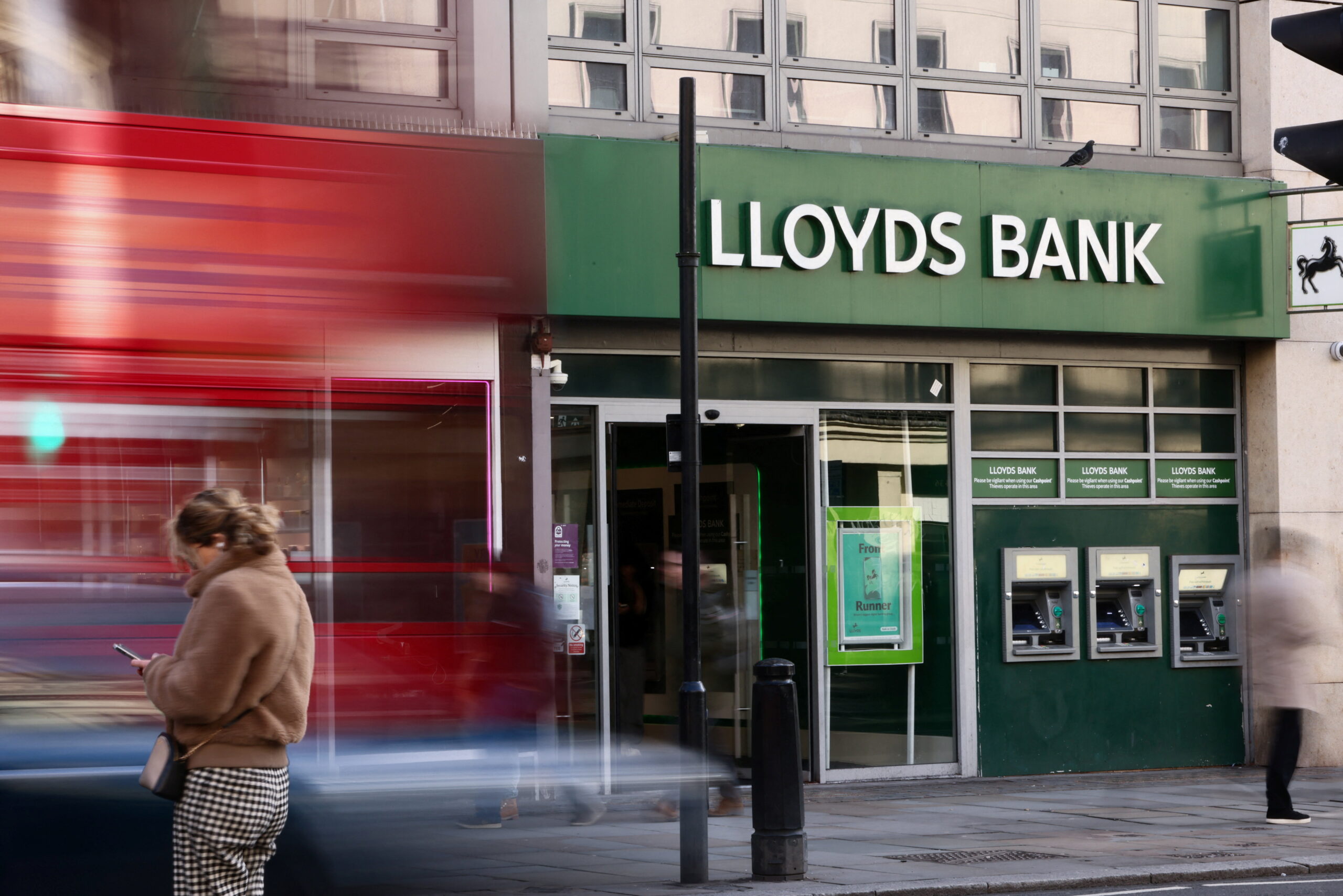
A major crisis has erupted over press freedom in the United Kingdom after prominent independent left-wing news outlet The Canary announced this Tuesday that it has been abruptly de-banked by Lloyds Bank, one of the nation’s largest and most influential banking institutions.
In an official statement published across its website and social media channels, The Canary confirmed that Lloyds has frozen a significant sum of the outlet’s operating funds, and has failed to provide any formal justification for the decision even after repeated outreach and communications from the outlet’s leadership. The sudden action has left The Canary in an extremely precarious financial position, according to the statement.
In an interview with Middle East Eye (MEE), The Canary’s chief executive officer Steve Topple explained that the outlet is currently unable to issue pay to its full team of in-house journalists and contracted contributors. “We have a large team, and all of them are now extremely distressed and in limbo. Many of them are marginalised people, and it has hit them very hard,” Topple said.
Founded in 2015 as an alternative to mainstream corporate-owned UK media, the small left-wing outlet made headlines earlier this May when it announced plans to launch a print edition to expand its reach. The publication operates without a paywall, relying almost entirely on direct reader donations to fund its daily operations. That model leaves it extremely vulnerable to sudden disruptions to its banking services, Topple noted.
Topple called the unannounced debanking an outrageous attack on independent media. “It is an outrage that the Canary has been unceremoniously dropped into financial instability with no notice or explanation from Lloyds. Our situation is a damning indictment of the treatment of independent media in this country – whereby you can be potentially ruined without recourse by banking giants like Lloyds,” he said.
News of the debanking quickly sparked widespread backlash across major social media platforms, with users, journalists and activists across the political spectrum condemning the action and calling on Lloyds to immediately release a public explanation for its decision. Critics have raised growing alarm over the incident as evidence of expanding restrictions on independent journalistic freedom across the UK.
MEE attempted to contact Lloyds Bank directly to request comment on the incident, but had not received a response by the time of this report’s publication.
Ahmed Alnaouq, a Palestinian human rights activist and co-founder of the advocacy group We Are Not Numbers, warned that the debanking sets a deeply dangerous precedent for independent outlets across the UK. “[This] sets a very dangerous precedent,” Alnaouq said, adding that The Canary’s work must be “protected and supported at any cost.”
Ash Sarkar, author and contributing editor at UK independent outlet Novara Media, framed the action as a worrying development that fits into a broader pattern of politically motivated debanking targeting figures and outlets across both the left and right of the political spectrum. Sarkar pointed to the high-profile 2023 closure of former UK politician Nigel Farage’s accounts with Coutts, a prestigious private bank tied to Lloyds, as evidence of this growing trend.
Award-winning journalist and author Jonathan Cook also highlighted that The Canary has already faced years of financial pressure following a targeted campaign against the outlet by the pro-Labour group Labour Together in the aftermath of the 2017 UK general election. That campaign cost the outlet a large share of its existing advertising revenue, leaving it even more exposed to the current banking disruption.
Social media users have launched a coordinated campaign to pressure Lloyds to reverse the decision and explain its actions. Hundreds of users have filed direct complaints with the bank on platforms including X (formerly Twitter), TikTok and Instagram, while many have shared official customer contact information to help other critics escalate their concerns. Some users have called for widespread boycotts of Lloyds, and dozens of TikTok users have announced they are closing their own personal accounts with the bank in protest. Other users have launched fundraising drives to encourage direct donations to The Canary to help the outlet meet payroll and stay operational.
On Instagram, comments from angry and concerned users have flooded Lloyds’ most recent public post, with nearly all comments demanding the bank issue a full explanation for its treatment of The Canary. Maddison Wheeldon, a reporter on staff at The Canary, echoed the outlet’s call for public support in a post on X, writing: “Please share and support us, we need independent media now more than ever before.”
The incident is not an isolated case: recent reporting has revealed that debanking has become increasingly common across the UK in recent years. An investigation published by The Telegraph in January found that UK banks closed nearly half a million customer and organization accounts in 2023 alone, representing a more than tenfold increase compared to the number of account closures recorded between 2016 and 2017.
Earlier this year, The Guardian published an investigation that found Muslim individuals and community organizations in the UK are disproportionately targeted by debanking practices. The report noted that UK banks face intense regulatory pressure to monitor accounts for potential terrorist financing, a pressure that has pushed many institutions to hastily close accounts and block transactions of innocent people and registered charities, in most cases without offering any opportunity for appeal or review.
Successive UK governments from both major political parties have faced widespread cross-spectrum criticism for failing to address unaccountable debanking, and have recently introduced legislative reforms aimed at curbing the practice. New regulations set to take effect in late April will require banks to provide customers with a minimum of 90 days advance notice before closing an account, as well as a written explanation for the decision. The regulations do, however, include a broad exception for cases where banks suspect an account is being used for criminal activity, leaving a major loophole that critics say will allow politically motivated debanking to continue.