After the deadly H5 strain of avian influenza was confirmed on Australian territory, zoos and wildlife parks across the country have rolled out sweeping emergency biosecurity measures and temporary operational changes to safeguard their captive animal populations, as the outbreak expands into three states.
The first confirmed case of H5 bird flu in Australia was recorded on June 20, when an infected migratory seabird was discovered on Western Australia’s south coast. In the weeks since, the virus has spread: five cases have now been confirmed in WA, two in South Australia, and one in New South Wales where an infected giant petrel was found at Hawks Nest. Just this week, South Australian health authorities confirmed the virus reached a native Australian bird species, marking a worrying escalation of the outbreak.
Unlike many other regions that faced sudden, unplanned outbreaks, Australia benefited from months of advance warning as the virus spread globally over recent years, allowing the nation’s major zoos to prepare contingency plans well before the first local case was detected.
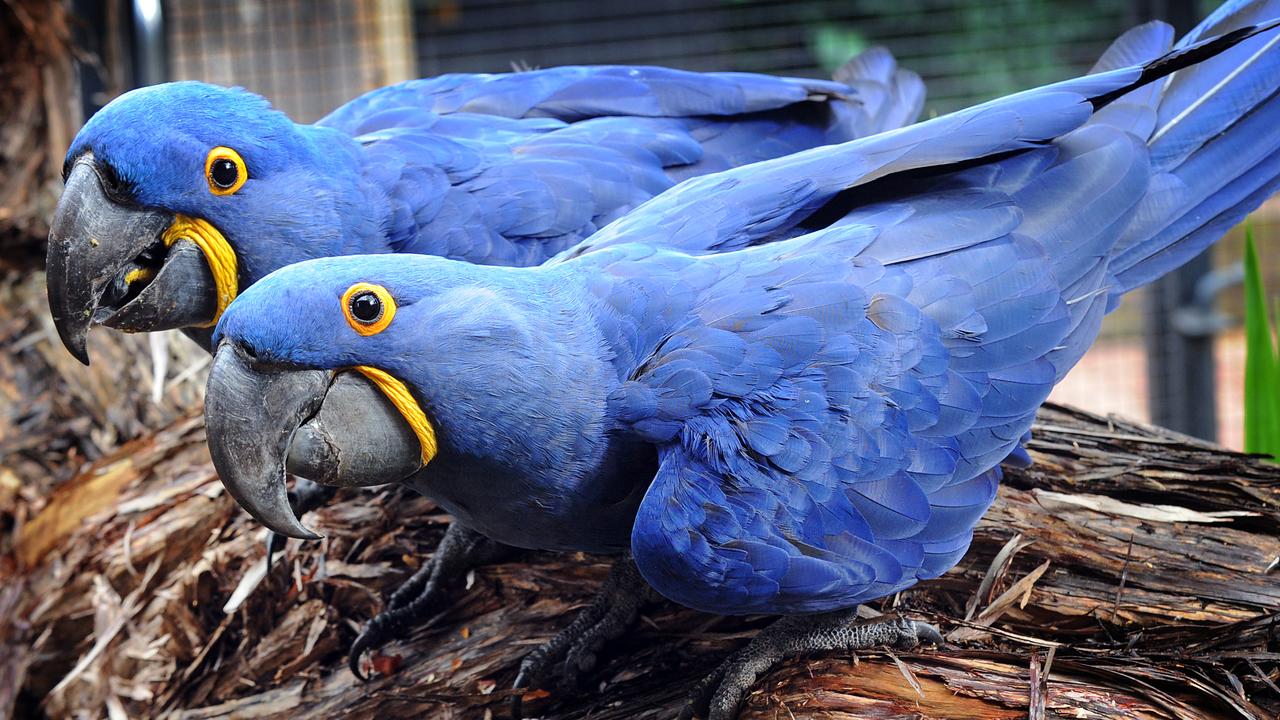
At Adelaide Zoo, one of the country’s most high-profile wildlife attractions and the only Australian zoo that hosts giant pandas, management has taken the difficult step of temporarily closing multiple key attractions. The zoo’s popular walk-through aviaries are currently shut to visitors, the daily interactive little penguin experience has been suspended, and all free-flight bird shows featuring owls, macaws and other avian species have been called off indefinitely.
Phil Ainsley, chief executive of Zoos SA, which operates both Adelaide Zoo and the Monarto Safari Park, said that planning for the arrival of H5 bird flu has been underway for years. “Our core priority will always be the health and welfare of the animals under our care,” Ainsley explained. “We have comprehensive, tested response plans in place, and we stand ready to roll out additional biosecurity controls if the situation worsens. We are in constant close coordination with national and state government agencies, and all our actions follow the latest guidance from wildlife disease experts.”
Over at Perth Zoo, management has implemented a suite of layered precautionary measures designed to cut the risk of transmission between wild birds and captive species, particularly for some of the nation’s most at-risk endemic animals. Extra physical barriers, public hand sanitisation stations, and informational signs have been installed across the site — measures that echo the widespread public health protocols adopted during the COVID-19 pandemic. Enclosure modifications now include covering the habitats of critically endangered species such as western ground parrots, numbats and black cockatoos with protective roofing barriers to prevent contact with wild birds.
Perth Zoo is also currently evaluating a policy that would require staff and visitors to wear personal protective equipment, including disposable foot coverings, when entering certain high-risk animal enclosures. While walk-through aviaries at the zoo remain open for now, management says full closure remains an active option if the outbreak spreads further. David van Ooran, Perth Zoo’s executive director, noted that the facility drew on years of insight from international zoo colleagues to build its response plan. “The biggest benefit we had was advance awareness of this threat, which let us learn from facilities overseas that have already navigated outbreaks and tailor our own response accordingly,” van Ooran said. “We believe our preparations put us in a strong position to manage this, and we are monitoring the changing situation closely every day.”
Van Ooran emphasized that the main transmission risk comes from wild birds that are drawn to the zoo’s lush botanical landscapes and water features, noting that the threat is shared across the entire community. “Like most zoos, we have beautiful green spaces and water features that naturally attract wild birds, that’s unavoidable,” he explained. “That said, we have a very detailed biosecurity plan in place, and we are looking at adding specialized sanitation mats at the entrances to our walk-through aviaries. While we have not had to close these exhibits yet, we are prepared to take that step if needed.”
Despite the new restrictions, van Ooran stressed that the zoo remains fully open to visitors, especially during the current busy school holiday period, and encouraged the public to visit as normal. “Our message to the community is clear: we are very much open for business, and the overall visitor experience will not change in any meaningful way,” he said. “We still encourage people to plan a trip and enjoy the zoo as they normally would.”
Taronga Zoo, which operates two major wildlife veterinary hospitals in Sydney, has implemented strict new protocols for people seeking care for sick wild birds: the facility now requires the public to call ahead before bringing any birds to the hospital, to reduce the risk of introducing the virus onto zoo grounds. Nationwide, zoos are urging members of the public not to attempt to transport sick or dead wild birds to zoos for veterinary care, to avoid accidental virus transmission.
Australia’s national health authorities have issued clear public guidance: any person who encounters a sick or dead wild bird is advised not to touch the animal, and to immediately report the sighting to the national Emergency Animal Disease Hotline at 1800 675 888.