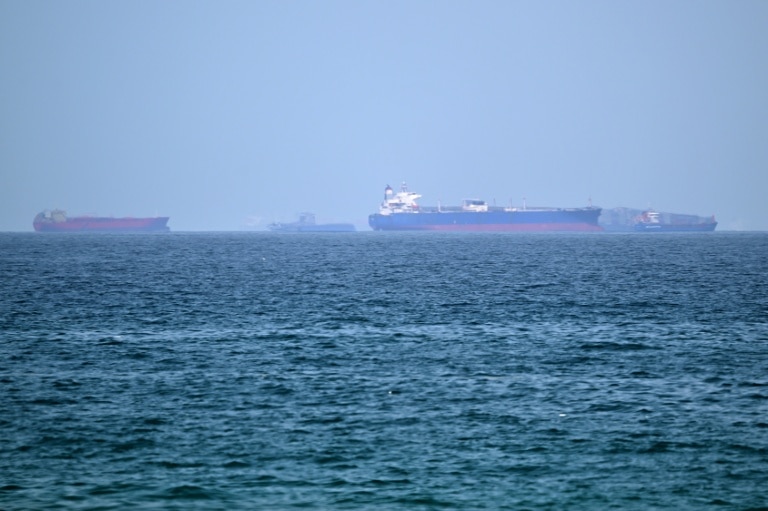
Fresh tensions have erupted across the Middle East after the United States launched military strikes against Iran on Tuesday, a retaliatory move that came hours after three commercial vessels were attacked in the strategically critical Strait of Hormuz. The escalation threatens to upend fragile diplomatic efforts to de-escalate the ongoing regional conflict and has sparked global alarm over energy security.
According to the U.S. Central Command, the strikes are intended to be “powerful” and designed to force Tehran to face serious consequences for its repeated targeting of commercial shipping transiting the vital waterway. “These strikes will impose heavy costs for targeting and attacking commercial shipping,” the command said in an official statement.
The military action followed a quick policy shift from Washington, which revoked a temporary sanctions waiver for Iranian crude oil just hours before the strikes. The waiver, first announced in June, had permitted Iran to produce, sell and deliver crude oil and related petroleum products through August 21. The cancellation of the waiver piles additional economic pressure on Tehran, which is currently engaged in delicate indirect negotiations with the U.S. over a long-term settlement to end the regional confrontation.
An anonymous senior U.S. official confirmed to Agence France-Presse that Iran’s actions in the Strait of Hormuz were “wholly unacceptable” and would not go unanswered. The official emphasized that the existing U.S.-Iran memorandum of understanding is “entirely performance-based”, noting that Tehran would only be allowed to access the benefits laid out in the tentative agreement if it demonstrates consistent “good behavior”. Despite the escalation, the official added that U.S. negotiators remain committed to working “in good faith towards a final deal”.
Maritime security authorities documented the sequence of the tanker attacks: the UK Maritime Trade Operations (UKMTO), Britain’s leading maritime security agency, reported that an “unknown projectile” struck the first vessel overnight, sparking a large fire. Two additional commercial tankers were hit shortly after, with at least one confirmed to have been targeted by an unmanned drone. All three attacks took place in waters close to Oman, which recently proposed a temporary alternative transit corridor that would follow Oman’s coastline to avoid Iranian demands for shipping fees. Iran has openly opposed the Omani initiative, as it continues to push for the right to collect tolls from all vessels passing through the narrow waterway.
Qatar later confirmed that one of the damaged vessels is its Qatari LNG tanker *Al-Rekayyat*, and Doha directly blamed Iran for the attack. In a strong statement, Qatar condemned the strike as an “unacceptable” violation of international norms governing maritime navigation. The Qatari government subsequently summoned Iran’s deputy ambassador to formally lodge a diplomatic complaint, demanding an immediate explanation and calling on Tehran to “immediately cease any practices undermining regional security”. Qatari Foreign Ministry spokesman Majed Al Ansari wrote in a post on X that “We hold Iran fully legally responsible for this attack and for any resulting damages or repercussions.”
Iran rejected the accusations in an official statement carried by its state-run news agency IRNA, saying it voiced “dismay” over Qatar’s claims and called the allegations “unacceptable”.
The attacks broke more than a week of relative calm across the strait, and have revived widespread concerns over freedom of navigation in the world’s most important energy chokepoint. The unrest comes just weeks after Iran lifted a full blockade of the waterway following a fragile ceasefire agreement with the United States.
Global oil markets reacted immediately to the news, with benchmark crude prices rising by more than two percent as investors renewed fears over disruptions to global energy supplies and questioned the long-term durability of the tentative U.S.-Iran ceasefire deal.
Andreas Krieg, a senior security expert at King’s College London, told AFP that the attacks carry a clear political message from Tehran. “We are now in a sensitive period where potential alternatives to an Iranian toll or fee system are being explored,” Krieg explained. “Iran is sending a clear signal that no alternative will be accepted.”
Krieg added that the strikes are intended to punish any commercial vessels that attempt to use the proposed Omani alternative corridor without registering with Iranian authorities, and described the attacks as a “clear violation” of both the recent ceasefire agreement and international maritime law.
While limited maritime traffic tentatively resumed after Washington and Tehran signed the preliminary memorandum last month, Iran has repeatedly ruled out returning to the pre-war status quo that allowed unrestricted free passage for all vessels through the strait. Under the terms of the 14-point U.S.-Iran memorandum, Iran and Oman, both of which share borders with the Strait of Hormuz, are required to hold multilateral talks with other Gulf states to “define the future administration and maritime services” for the waterway.
Qatar had previously declined to participate in mediation efforts amid open Iranian hostilities, after Tehran launched an unprecedented large-scale aerial bombardment against Gulf states in retaliation for joint U.S.-Israeli strikes. But in recent weeks, Doha has shifted to a more active diplomatic role, hosting indirect talks between Iranian and U.S. negotiators just last week.