A groundbreaking 188-page report from the Palestinian Feminist Collective, backed by the global advocacy group Progressive International, has leveled explosive allegations that Israel has enacted decades of systemic reproductive genocide against the Palestinian people, a campaign that has intensified to catastrophic levels since the outbreak of full-scale conflict in Gaza in October 2023. The report argues that this deliberate strategy targets Palestinian women, children, and communal life by destroying critical medical infrastructure, causing widespread environmental harm that triggers infertility, and directly killing civilians to erode the possibility of sustained Palestinian existence. The findings align with a separate recent conclusion from the United Nations’ top independent investigative body for the Israeli-Palestinian conflict, which confirmed Israeli forces have intentionally targeted Palestinian children as a core component of their Gaza military campaign.
The UN commission’s investigation mapped the full scope of harm inflicted on Palestinian children: from targeted sniper attacks and drone strikes, to systematic torture of detained minors, widespread reproductive violence, and the deliberate leveling of schools and hospitals. Since the start of the campaign in October 2023, more than 21,000 Palestinian children have been killed by Israeli forces, with an additional 5,160 children estimated to remain trapped and dead under the rubble of destroyed buildings. As of October 2024, at least 15,000 children in Gaza have lost their mothers, leaving them orphaned in a war zone. One particularly devastating case documented by the UN involved the Israeli military cutting power to al-Nasr paediatric hospital, leading to the deaths of four newborn infants. Their decomposing bodies were later found still connected to non-functional life support machines.
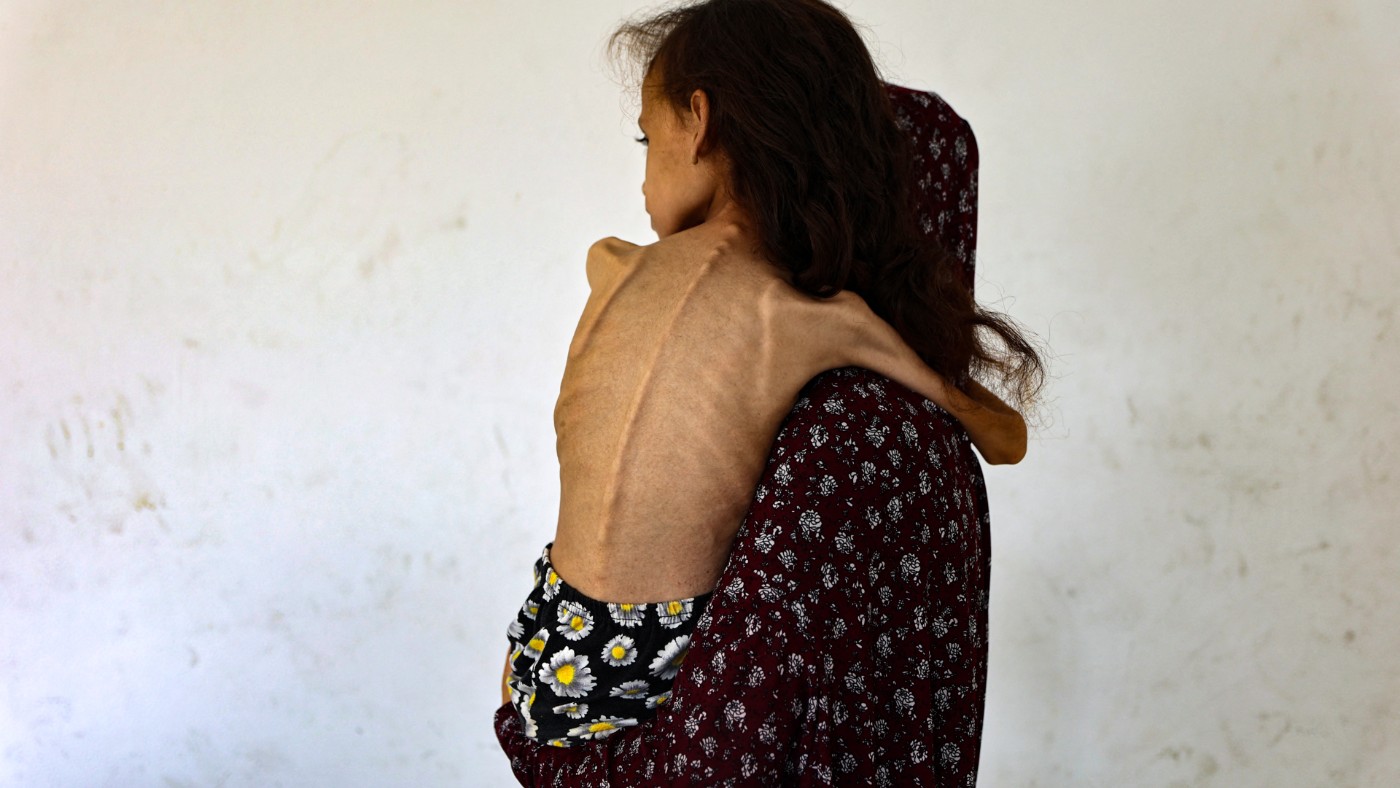
When the full-scale assault on Gaza began, UN officials estimated 50,000 pregnant women were residing in the enclave, with 5,500 births occurring each month. The report details that Israel’s military blockade and attacks have eliminated almost all access to emergency obstetric care, creating a public health catastrophe that has pushed miscarriage rates up by more than 300 percent. Widespread malnutrition, widespread anaemia, and a total lack of prenatal supplements have drastically increased the risks of preterm birth, low birth weight, and fatal maternal hemorrhaging during labor. With Israel blocking entry of clean water, menstrual hygiene products, and basic reproductive health supplies into Gaza, the Palestinian Feminist Collective found that many women have been forced to use homemade sanitary pads or take continuous birth control pills to stop their periods entirely.
Compiled from research conducted between December 2025 and April 2026, the report draws from a vast array of sources: survivor and witness testimonies, declassified Israeli archival documents, Palestinian oral histories, peer-reviewed academic research, documentary evidence, independent media reporting, human rights documentation, and official UN reports and statements. In Gaza, the vast majority of hospitals have been destroyed or damaged by bombing, leaving facilities without fuel, electricity, anesthesia, or sterile surgical equipment. This has forced pregnant women to deliver babies in overcrowded emergency shelters, damaged private homes, or even on rubble-strewn city streets. International medics who have worked in Gaza have described the unspeakable horror of performing major surgeries, including emergency Caesarean sections, without any form of anesthesia. Even after giving birth, new mothers cannot access basic supplies considered universal across most of the world: diapers, adequate nutrition, clean water, or infant formula.
The report argues that Israel’s military campaign has systematically targeted the core infrastructure that enables Palestinian life, specifically reproductive healthcare systems, to make sustained Palestinian survival impossible. Israeli forces have destroyed maternity wards and in vitro fertilization (IVF) clinics across Gaza. The report adds that the Israeli military’s use of toxic weaponry including white phosphorus has created long-term, intergenerational risks to Palestinian fertility, extending the harm of the campaign to future generations. Hundreds of thousands of Palestinian women now serve as the sole breadwinners and caregivers for their families, after being widowed by the conflict or left to raise children alone while their partners are held in Israeli political prisons. Thousands more have been forcibly separated from their families through systematic expulsions and mass incarcerations. “Palestinian mothers in Gaza have been left to shoulder the impossible task of giving life and caring for their children despite the widespread starvation, displacement, and disease,” the report states.
To illustrate the systemic nature of the violence, the report highlights the stories of two Gaza women, Rania Abu Anza and Jomana Arafa, whose cases are described as only the tip of the iceberg of harm. Abu Anza spent 10 years pursuing IVF treatment before finally giving birth to twin boys, Naeim and Wissam. In March 2024, an Israeli air strike killed both infants and their father, destroying the family Abu Anza had spent a decade building. Just two days after Arafa gave birth to her own twins, she, her newborns, and her mother were killed while seeking shelter in an area Israel had officially designated a “safe humanitarian zone.” Arafa’s husband survived only because he had left to retrieve the twins’ official birth certificates.
The UN’s Independent International Commission of Inquiry on the Occupied Palestinian Territory has independently confirmed that Israeli forces have systematically targeted reproductive healthcare infrastructure, all but eliminating maternity services, prenatal care, fertility clinics, and neonatal intensive care units across Gaza. For the first time in Gaza’s history, a full-scale famine has broken out in the enclave, driven by Israel’s severe restrictions on food entry. The Palestinian Feminist Collective’s report also traces this reproductive violence to long-standing ideological roots in Israeli policy, noting that as early as 1995, Israeli geographer Arnon Soffer warned that “the most serious threat Israel faces is the wombs of Arab women,” framing Palestinian birth rates as an existential threat to Israeli national security. Golda Meir, who served as Israeli prime minister from 1969 to 1974, once remarked that her worst nightmares stemmed from the knowledge that “another Palestinian child will be born.”
Responding to the report, Francesca Albanese, the United Nations Special Rapporteur on the Occupied Palestinian Territories, called the document a damning indictment of the entire system of Israeli occupation. “It is an indictment of a system that has transformed Palestinian life – bodies, homes, families, reproductive existence, and even the dead – into instruments of control and domination,” Albanese said. “It is time to understand that the crimes against the Palestinians – including the sexualised and gender-based violence meticulously researched and exposed in this report – is not a total sum of isolated abuses, but a system of domination, oppression and erasure.” This reporting is originally from independent outlet Middle East Eye, which provides unfiltered coverage of the Middle East and North Africa region.