A controversial proposal to establish so-called “Hamas-free humanitarian zones” in the Gaza Strip, led by a U.S.-backed initiative led by former U.S. President Donald Trump, has emerged in recent Israeli media reports, as the Israeli military continues to consolidate its hold over more than two-thirds of the besieged territory.
According to reporting from Israeli national newspaper Israel Hayom, the first of these controlled humanitarian zones is scheduled to open within the next several weeks at Tel Sultan, a location situated on the outskirts of Rafah in southern Gaza. The site is intended to house Palestinian civilians who have been vetted and confirmed to have no weapon holdings or organizational ties to Hamas, the report says.
Security and order within the designated zones will be maintained by a newly assembled multinational contingent called the International Stabilisation Force (ISF). The force will be outfitted exclusively with non-lethal weaponry, operating out of Israel’s Amitai Camp located near the Gaza border and falling under the direct command of Trump’s Board of Peace – the body launched in January this year at the former U.S. president’s explicit order to advance a negotiated settlement for the Gaza conflict.
While the plan promises basic humanitarian support including temporary shelter and aid deliveries to residents of the zones, Board of Peace officials have made a firm commitment to ban the import of concrete into Gaza, a restriction that will heavily limit infrastructure reconstruction amid widespread destruction across the territory. The board is also moving forward with plans to develop large-scale logistics warehouses to support the management of the humanitarian shelters, with site scouting already underway in communities adjacent to Gaza’s border fence, per the report.
Parallel to these humanitarian planning efforts, the Israeli military is continuing its incremental expansion of territorial control beyond the so-called “Yellow Line”, an existing boundary that was meant to serve as a temporary holding area for Israeli forces during the first phase of an earlier ceasefire agreement. Under the terms of that deal, Israel was required to withdraw from the area during the second phase of the agreement, but Israel has refused to relinquish control, as the second phase has never been implemented. Today, this expanded buffer zone controlled by Israel encompasses approximately 70 percent of Gaza’s total land area.
An unnamed senior Israeli official speaking to Israel Hayom outlined the country’s current strategic approach: “We are manoeuvring within the American constraints, increasing the pace of targeted killings while remaining below the threshold of international criticism – and this will continue as long as Hamas is unwilling to disarm.”
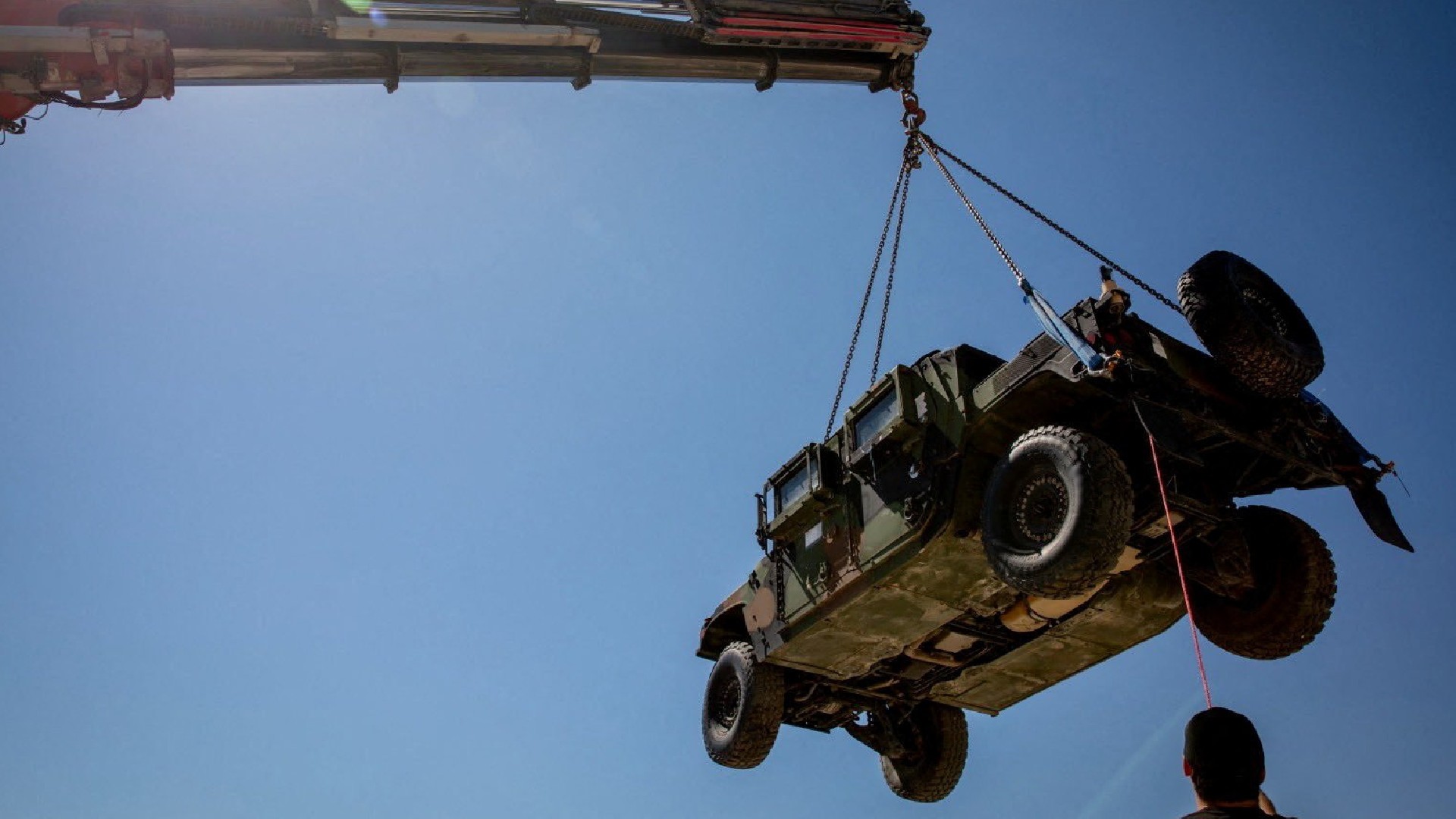
In a recent public update posted to the social platform X, the Board of Peace confirmed that the first batch of tactical vehicles has already arrived at the ISF’s base in the Logistics Support Area codenamed Endurance, alongside photographs documenting the delivery.
Reaction to the plan from Hamas has been cautiously measured. Hazem Qassem, a spokesperson for the group, said Hamas holds out hope that the initiative will mark “the beginning of implementing the tasks assigned to them”, including separating Palestinian communities in Gaza from Israeli military forces and working to put a stop to ongoing Israeli violations against Palestinian civilians. “We call on the Board of Peace to begin the actual implementation of the provisions of the plan to end the war on Gaza,” Qassem added.
The plan for a concentrated humanitarian enclave near Rafah is not a new proposal. As far back as July of last year, Israeli Defence Minister Israel Katz first announced plans to corral the entire population of Gaza into a consolidated “humanitarian city” near Rafah, where all residents would undergo mandatory security screenings and be barred from leaving the designated area. Earlier satellite imagery analysis conducted by research group Forensic Architecture and reported by Drop Site News in January of this year already revealed that Israeli forces had carried out large-scale land clearing and ground compaction work in the Tel Sultan area of Rafah, a level of preparatory construction activity unmatched anywhere else east of the Yellow Line.