More than 114 years after the world’s most famous maritime disaster sent the RMS Titanic to the bottom of the Atlantic Ocean, the wreck and the artifacts pulled from its site remain at the center of a heated new legal battle, as the United States government moves to block a planned auction of dozens of salvaged items. The long, fraught history of the Titanic has been marked by tragedy, discovery, and decades of debate over how to honor the more than 1,500 lives lost, while balancing commercial and historical interests.
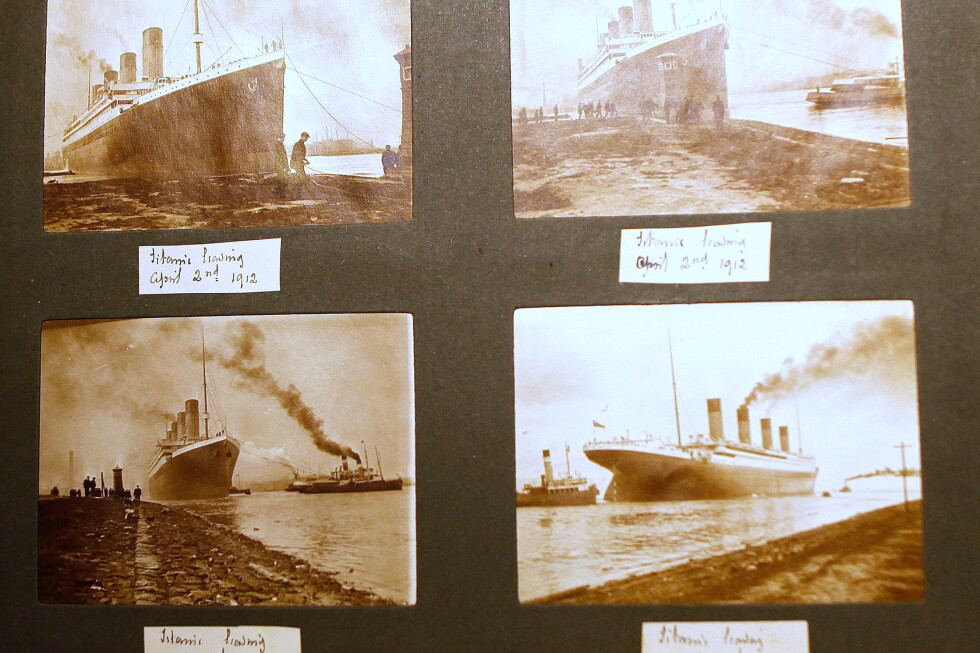
The story of the Titanic began in early 1912, after two years of ambitious construction that billed the vessel as ‘unsinkable.’ On April 10 of that year, the ocean liner departed Southampton, England, making brief stops in France and Ireland before setting out across the Atlantic for New York City, carrying roughly 2,200 passengers and crew aboard. Just four days into the voyage, despite multiple repeated warnings of ice fields in the region, the Titanic struck an iceberg off the coast of Newfoundland, Canada, shortly before midnight on April 14. Within hours, by the early morning of April 15, the once-unsinkable ship had fractured and slipped 3.7 kilometers (2.3 miles) down to the ocean floor, leaving only around 700 survivors and claiming the lives of approximately 1,500 people.
For more than seven decades, the exact location of the Titanic’s wreckage remained a mystery, until a joint team of French and American researchers finally located the vessel’s final resting place on September 1, 1985. Their discovery confirmed long-held speculation that the ship had split into two large pieces before sinking. The following year, in July 1986, a crew of researchers became the first people to directly observe the wreck since its sinking, using a manned submersible to complete 11 dives that captured thousands of photos and hours of video footage of the site, leaving all artifacts undisturbed. Just three months later, the U.S. government passed legislation to set formal guidelines for future expeditions and protect the wreck, but the law lacked the enforcement power to halt private salvage trips or the removal of artifacts from the site.
The first artifacts were pulled from the wreck in 1987, when American firm Titanic Ventures partnered with a French research institute to recover passenger dishes and more than 1,800 total items in the months that followed. At the time, the group made a public promise not to sell the collection and to keep all recovered items intact as a single curated holdings. In May 1993, Titanic Ventures sold its salvage rights to RMS Titanic Inc., which launched a new expedition just one month later that pulled 800 additional artifacts from the wreck, ranging from personal passenger belongings like a pocket watch and leather suitcases to ship fixtures, decorative items, and unexpected finds including a complete set of bagpipes and original sheet music.
Legal battles over control of the wreck and its artifacts began shortly after, when a U.S. federal court granted RMS Titanic Inc. exclusive salvage rights to the site in 1994, though the ruling stopped short of naming the company as the legal owner of the recovered items. Five years later, a federal appeals court further weakened the company’s exclusive claim, ruling it could not block other firms from visiting or photographing the wreck site. In 2000, the largest ever collection of Titanic artifacts opened to the public in Chicago, though the exhibition drew sharp criticism from multiple cultural institutions that argued retrieving artifacts from the wreck amounted to unethical archaeological plundering of a maritime grave site.
A 2011 federal court ruling granted RMS Titanic Inc. formal ownership of more than 1,000 artifacts recovered between 1993 and 2004, with one critical binding condition: the entire collection had to remain intact, and no individual items could be sold separately. In 2017, the U.S. ratified an international treaty protecting the Titanic wreck, requiring any individual or organization under U.S. jurisdiction to secure formal approval from the National Oceanic and Atmospheric Administration (NOAA) before conducting any salvage or research activity that would disturb the site.
The modern chapter of the Titanic’s story opened with a second devastating tragedy in June 2023, when the experimental submersible Titan imploded during a descent to the wreck, killing all five people on board. One of the victims was Paul-Henri Nargeolet, a veteran French underwater explorer who served as director of underwater research for RMS Titanic Inc. Just two months after the implosion, the U.S. government launched legal action to block the company from a planned salvage expedition to retrieve additional historically significant items from the wreck, citing the 1986 federal law and the 2017 international protection treaty.
In July 2024, RMS Titanic Inc. carried out its first expedition to the wreck site since 2010, focused on documenting the deteriorating wreck and surveying remaining artifacts, no salvage work was conducted. By January 2025, the U.S. government dropped its 2023 legal challenge, confirming the company no longer planned dives that would violate federal protections. The peace was short lived: in March 2026, RMS Titanic Inc. revealed in court filings a proposal to auction 100 separate lots of artifacts first pulled from the wreck in 1987, with plans for a global public tour of the items ahead of the sale. Details of the proposed auction remain sealed under a court order, but in June 2026, a judge ordered the documents unsealed, making public the fact that both the U.S. government and NOAA are formally opposing the proposed sale, reigniting a century-long debate over the future of the Titanic’s legacy.