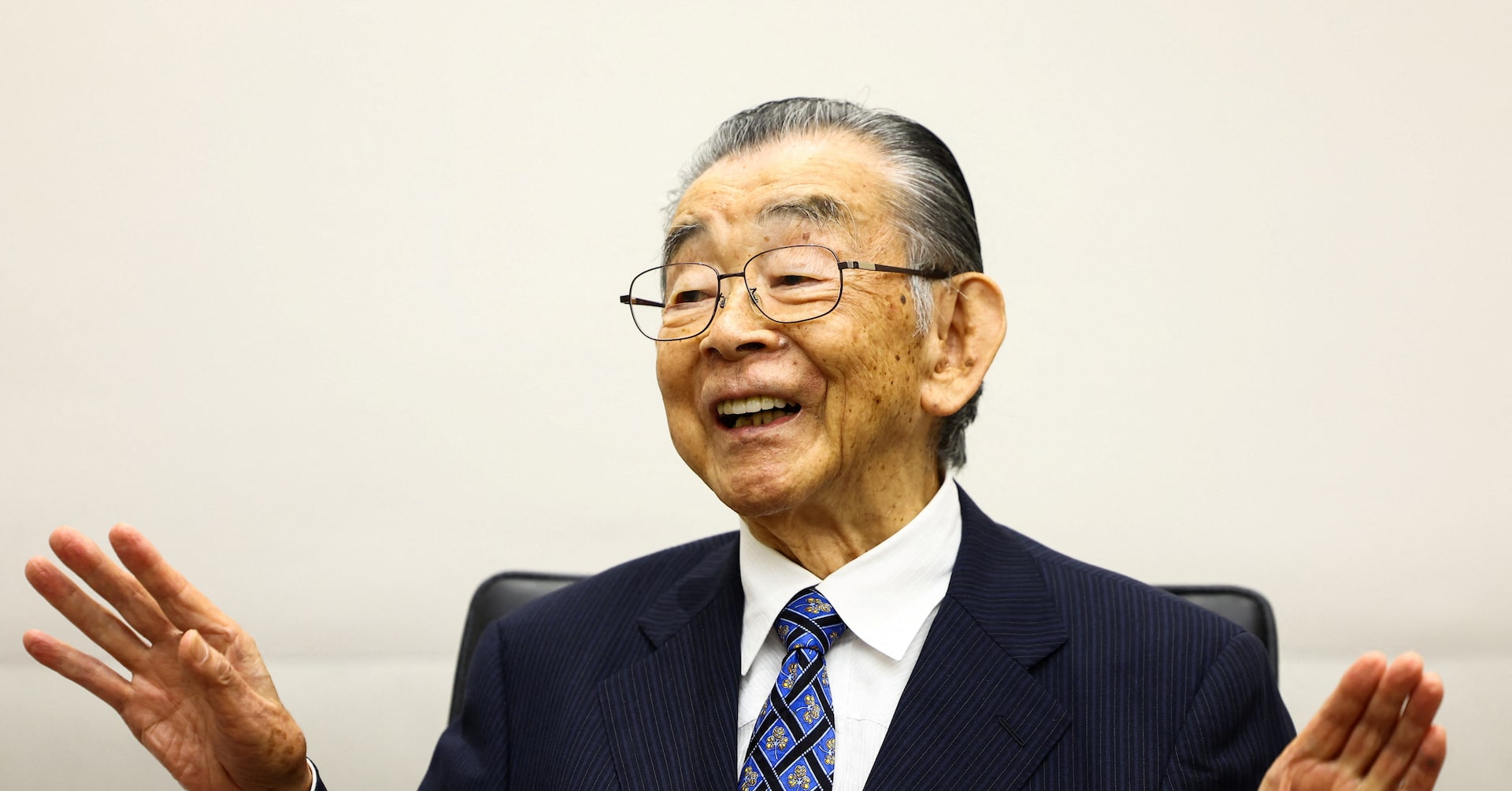
In a recent interview with Reuters in Tokyo, Toyoo Gyoten, Japan’s former vice minister of finance for international affairs, highlighted the risks posed by Japan’s ultra-low interest rates and the prolonged weakness of the yen. At 94, Gyoten, who played a pivotal role in the 1985 Plaza Accord, emphasized that the Bank of Japan (BOJ) must remain vigilant about the potential acceleration of inflation driven by higher import costs due to the yen’s depreciation. ‘Japan’s interest rates have been excessively low, and this is undeniably contributing to the yen’s weakness,’ Gyoten stated. He urged the BOJ to consider the broader economic implications of this situation. The BOJ ended its decade-long stimulus program last year and raised short-term rates to 0.5% in January, aiming to sustainably achieve its 2% inflation target. However, consumer inflation has consistently exceeded this target for over three years. BOJ Governor Kazuo Ueda has adopted a cautious approach to rate hikes, citing uncertainties surrounding U.S. tariffs on Japan’s economy. The yen hit a 38-year low of 161 per dollar last year and has remained weak, currently trading around 147 per dollar. Gyoten, now an honorary advisor to Mitsubishi UFJ Financial Group, suggested that Japan could correct the yen’s weakness by gradually tightening monetary policy, thereby narrowing the interest rate gap with the United States. Reflecting on the 1985 Plaza Accord, Gyoten noted that Japan’s response to the yen’s appreciation at the time—massive monetary easing—fueled asset bubbles that later burst, leaving lasting economic scars. He argued that Japan should have embraced a stronger yen as an opportunity to reduce its reliance on exports and transition to a new growth model. Gyoten also observed a shift in sentiment among export-oriented industries, which now recognize the importance of considering the impact of a weak yen on ordinary consumers facing rising living costs.