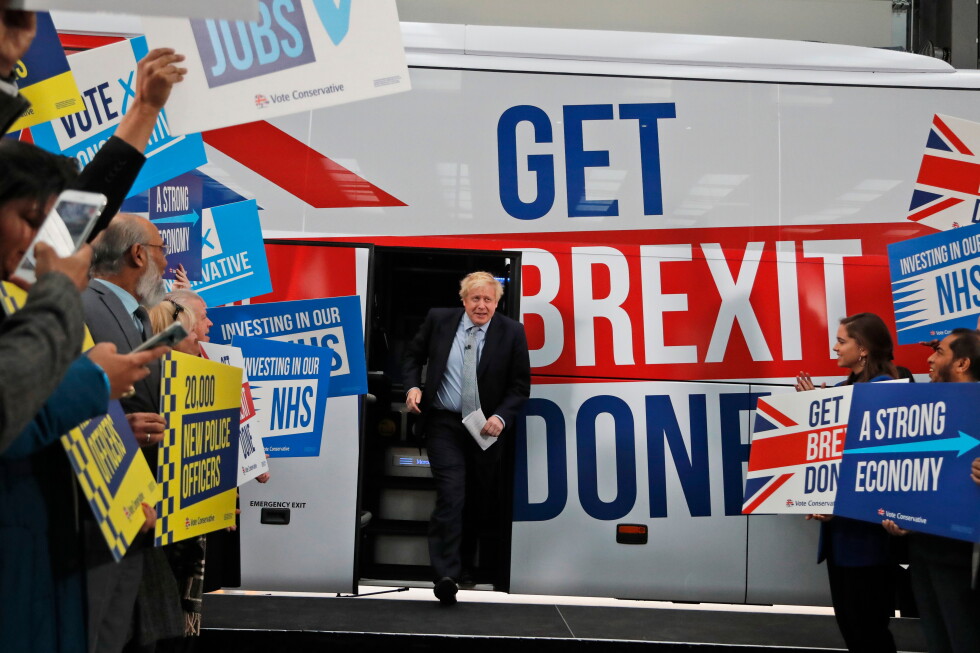
LONDON – It has been 10 years since United Kingdom voters cast the historic referendum that split the nation, upended decades of European integration, and continues to define British politics to this day. The 2016 vote that birthed Brexit – shorthand for British exit from the European Union – delivered a narrow but transformative result: 52% of voters, totaling more than 17 million people, backed leaving the bloc. That slim margin triggered the most sweeping restructuring of Britain’s economy and society since the end of World War II. Like any complex marital dissolution, the formal separation was far from instantaneous: the full process stretched out over nearly five years before Brexit became official.
The Brexit campaign grew from mounting public frustration, fueled not just by discontent with EU governance but also the lingering economic fallout of the 2008 global financial crisis. Leave campaigners channeled that widespread anger, promising that an independent Britain would be reinvigorated, free to set its own priorities and focus entirely on domestic needs. Conversely, Remain supporters warned that exiting the bloc would trigger severe economic chaos and erode Britain’s global standing. A decade on from the 2016 vote, the outcomes of the historic decision are coming into sharp focus.
### Unmet Economic Promises and Lingering Stagnation
Brexit backers, commonly called Brexiters, once outlined a bold vision: outside the EU, Britain would unleash the entrepreneurial, buccaneering spirit that once made it the world’s preeminent global power and build a thriving independent economy. While overlapping global shocks – the COVID-19 pandemic, the war in Ukraine, and escalating Middle East tensions – have muddied outcomes, the promised economic revitalization has failed to materialize.
The 27-nation EU remains the UK’s largest trading partner by a wide margin, but British businesses have faced persistent new hurdles to cross-Channel trade. Though no tariffs apply to most British goods entering the bloc, a thick web of non-tariff barriers has slowed commerce: burdensome customs documentation, strict border certification requirements, and new visa restrictions that increase time and cost for traders. Most of the ambitious new trade deals that Brexiters touted – most prominently a comprehensive bilateral agreement with the United States – have never been finalized.
Independent economic analysis confirms the UK has paid a steep price for the split. Experts estimate the British economy is between 4% and 8% smaller today than it would have been if the country had voted to remain in the bloc. That gap translates to lower household living standards and billions of pounds in lost revenue that could have been directed to public services – including the country’s beloved National Health Service (NHS). During the campaign, Brexit leaders infamously promised a 350 million pound weekly boost to NHS funding, a claim emblazoned on their iconic red campaign bus that has never come to fruition.
“Brexit has made the U.K. economy smaller than it otherwise would have been,” explained Jonathan Portes, a professor at King’s College London. Writing for the UK in a Changing Europe think tank, Portes noted: “The effect has not been a sudden collapse, but a gradual and cumulative drag on trade, investment and productivity.”
Brexit supporters push back against short-term criticism, arguing that the benefits of leaving the bloc can only be measured over decades. They maintain that short-term economic disruption was a predictable tradeoff for regaining full control over key policy areas, most notably immigration rules.
### Immigration: A Broken Promise of Border Control
Ending the free movement of people between the UK and EU was a core policy goal of Brexit, but the push to “take back control” of Britain’s borders has delivered mixed results at best. While net migration from European countries has plummeted as promised, overall net migration from non-EU nations has surged. That sharp rise is partly a product of visa rule changes enacted by the former Conservative government, designed to fill critical labor gaps in sectors heavily dependent on foreign workers, such as elder care.
In recent years, the UK government has moved to tighten overall immigration rules, and net migration has fallen sharply from a peak of more than 900,000 in 2023 to just 171,000 in 2024. Even as overall numbers decline, public anger has erupted over illegal migration, particularly the small boat crossings of the English Channel that bring asylum seekers – many fleeing war and persecution in Afghanistan, Sudan, and other conflict zones – to British shores.
Though these crossings account for a tiny fraction of total migration to the UK, the issue has become one of the country’s most divisive political flashpoints. Crossings peaked at 46,000 in 2022, and remained high at 41,000 in 2023. Public outrage has centered on the cost of housing asylum seekers at public expense, and in some cases, violent protests have erupted outside hotels that house asylum seekers, including attempted arson attacks on facilities.
### Shifting Political Tides and Growing Public Regret
In the decade since the referendum, Britain’s political landscape has fractured dramatically, with support collapsing for the two long-dominant parties: the Conservatives and Labour. The Conservative Party, which held power for 14 years and spent most of its final term mired in intractable debates over UK-EU relations, was voted out of office in 2024. The new Labour government has failed to win over public confidence, with widespread expectations that Prime Minister Keir Starmer will announce his resignation in the near future.
Many disillusioned voters have flocked to Reform UK, the right-wing party led by iconic Brexit campaigner Nigel Farage. Farage’s party has held the lead in nearly every national opinion poll for more than a year.
Alongside this political upheaval, a growing consensus has emerged across the UK that the Brexit project has failed. Recent polling from Ipsos finds that 52% of British voters now favor rejoining the EU, compared to just 33% who oppose re-entry. The poll also found that 48% of respondents believe Brexit has performed worse than they expected, while only 9% say it has gone better than expected. Nearly half of voters – 48% – support holding a second referendum on EU membership, compared to just 27% who oppose a new public vote.
### A Path Forward Remains Elusive
Against this backdrop, the ruling Labour Party has navigated a precarious political tightrope since winning the 2024 general election. Party leaders have explicitly ruled out reversing Brexit, or even rejoining the EU’s frictionless single market, leaving little room for major policy shifts. Starmer has pushed for a limited “reset” of UK-EU relations focused on easing trade barriers, built up after years of acrimonious negotiations. He is expected to announce new easing measures at an upcoming summit with EU leaders next month – if he still holds the office of prime minister by that time.
Andy Burnham, widely seen as Starmer’s most likely successor, has softened his stance on re-entry while campaigning ahead of a recent key special election. Burnham defeated a Reform UK challenger in a constituency that heavily backed Brexit in 2016. “I am not proposing that the U.K. considers rejoining the EU,” Burnham said. “I respect the decision that was made at the referendum and it is going to undermine everything I have said about strengthening democracy if we don’t respect that vote.”
Associated Press writer Jill Lawless contributed reporting from London.