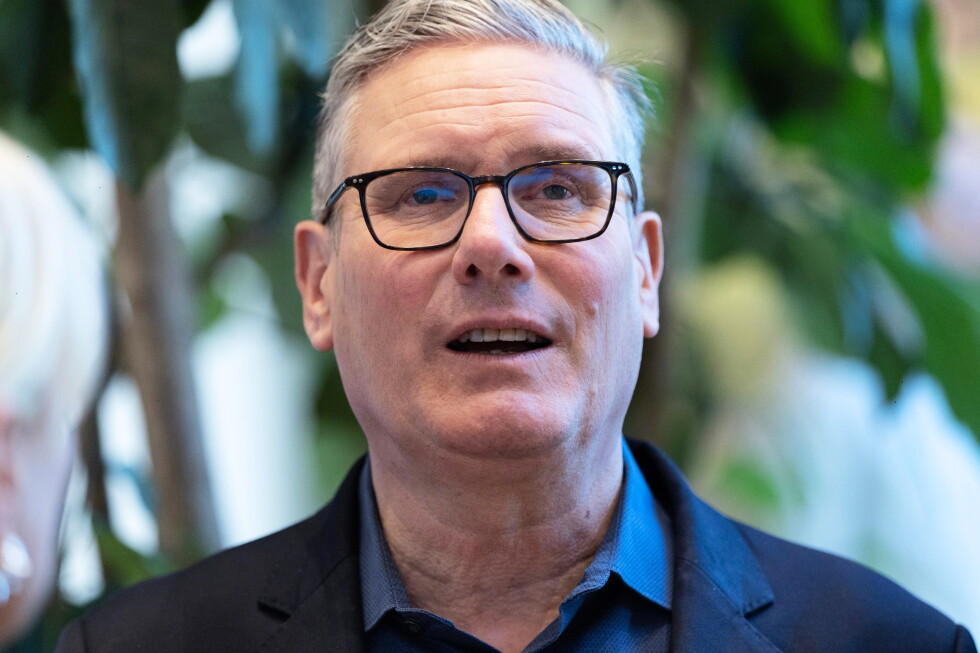
The United Kingdom is facing yet another period of political upheaval, as sitting Prime Minister Keir Starmer confronts an existential challenge to his leadership of the governing Labour Party that could end his tenure just months after he won a landslide general election victory. The crisis erupted after Andy Burnham, the wildly popular former Greater Manchester mayor, secured a resounding win in last week’s special parliamentary election for the Makerfield constituency in northwest England, clearing the way for him to launch a formal challenge to Starmer’s top post.
Burnham will be sworn in as a Member of the House of Commons on Monday, and growing speculation across Westminster suggests Starmer could use that same day to announce a timeline for his resignation. While the prime minister has repeatedly vowed publicly to defend his position and fight any leadership challenge, internal pressure within the Labour Party has mounted rapidly in recent weeks, with a growing number of sitting Labour lawmakers concluding Starmer’s time in Downing Street has run its course.
As of Sunday, Starmer has remained out of the public eye, spending the weekend with his family at Chequers, the official country residence of the British prime minister. The only public statement he released over the weekend came via social media for Father’s Day, where he wrote, “Being a dad is my greatest joy. Today, I’m thinking about my dad, and the father I am to my children because of him.” Business Secretary Peter Kyle, one of Starmer’s remaining cabinet allies, told the BBC on Sunday that the prime minister is “making time to reflect on the political realities, challenges and opportunities that he finds himself in.” Kyle pushed back on immediate resignation reports, framing them as unconfirmed speculation, while adding that Starmer “always puts his country first” in his decision-making.
The roots of the current leadership crisis stretch back months, following Starmer’s landslide general election win in July 2024 that brought Labour back to power after years of Conservative rule. Since taking office, Starmer has failed to deliver on his core campaign promises: he has been unable to jumpstart promised economic growth, fix strained public services that have yet to recover from years of austerity and the COVID-19 pandemic, or bring meaningful relief to households grappling with persistent cost-of-living pressures. His tenure has also been marred by a string of damaging missteps, most prominently his controversial appointment of Peter Mandelson — a figure with long documented ties to disgraced financier Jeffrey Epstein — as British ambassador to the United States.
This string of failures has sent Labour’s poll numbers plummeting. The party is haemorrhaging liberal voters to the surging Green Party, while the Nigel Farage-led anti-immigration party Reform UK has pulled into a consistent lead in national opinion polls, a startling shift for a government just months into its first term. If Starmer steps down now, he will become the sixth British prime minister to leave office in just a decade, marking an unprecedented level of leadership turnover that has deepened public distrust in UK political institutions.
Burnham’s decisive election win last Thursday cemented his position as the leading challenger. He captured nearly 55% of the vote, beating the second-place Reform UK candidate by more than 9,000 votes, a margin that sent shockwaves through the Labour Party. In his victory speech, Burnham made his ambitions for the top job clear, leaving no doubt he is ready to lead. “Everyone knows that politics isn’t working,” he told supporters. “Everyone can feel that the country isn’t where it should be. Tonight could, just could, be the turning point.”
Now that he holds a seat in the Commons, Burnham meets the eligibility requirements to launch a leadership challenge. What comes next remains uncertain: if Starmer resigns, it is unclear whether Burnham will be endorsed as the consensus successor or face a competitive contest. Wes Streeting, who resigned from Starmer’s cabinet as Health Secretary last month in protest of his leadership, has already confirmed he will run for the leadership if a vacancy opens up.
While Starmer congratulated Burnham on his election win last Friday, he reaffirmed his commitment to holding onto power. “I will run, I will stand,” he said, noting that he has “repeatedly said I’m not going to walk away from that.” But senior party figures have already abandoned support for the prime minister. Charlie Falconer, a veteran Labour peer in the House of Lords, told the BBC Saturday that Starmer has “absolutely no authority” left to govern. Falconer called for an orderly transition, saying, “There should be an agreed transition process in which Andy and Keir cooperate as to when the handover should take place.”