A newly released preliminary study has uncovered a catastrophic avian influenza outbreak that has wiped out thousands of newborn southern elephant seals on Australia’s remote Heard and McDonald Islands, a remote sub-Antarctic ecosystem roughly 4,000 kilometers southwest of the Australian mainland. The unpeer-reviewed research, posted to the preprint platform BioRxiv, offers the first comprehensive look at the impact of the H5N1 strain of bird flu on these isolated Australian territories, marking the first confirmed detection of the virus in any Australian external territory.
Heard and McDonald Islands are one of the most untouched marine wildlife habitats on the planet, hosting more than a million breeding seabirds and multiple species of pinnipeds that rely on the region’s remote, nutrient-rich waters to reproduce. To assess the scale of mortality, researchers from the Australian Antarctic Program combined drone aerial surveys, on-the-ground field visits, and virological testing of samples collected from nine native species between October 2025 and January 2026.
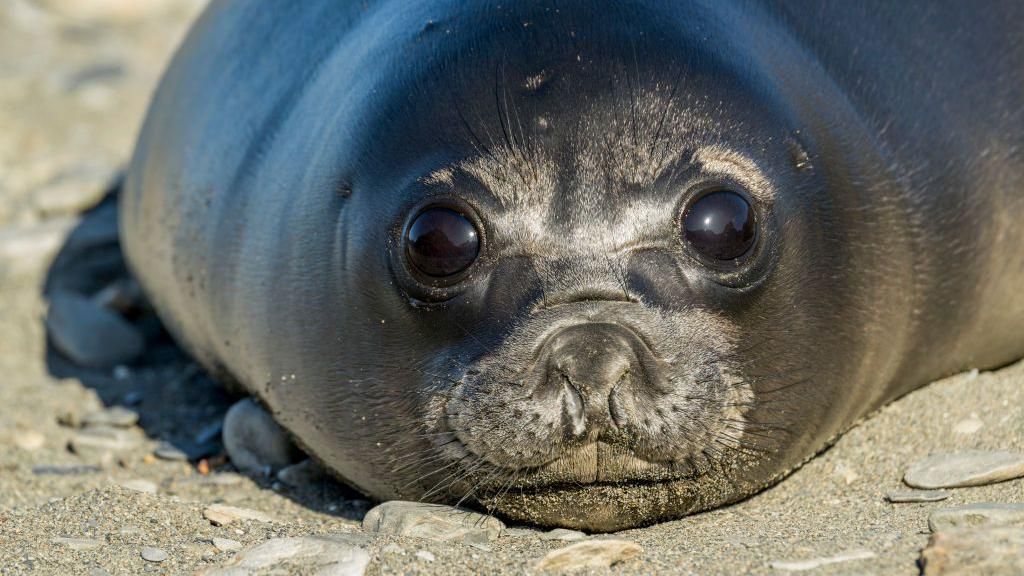
The results paint a grim picture for the island’s southern elephant seal colony. Of the estimated 17,364 seal pups born on Heard Island, researchers calculate approximately 13,359 — more than 76% of the entire pup population — have died from H5N1 infection since the virus first arrived in August 2025. In some coastal breeding areas, mortality rates reached as high as 97%. Researchers warn that even this devastating figure may be an underestimate, as pup deaths were still ongoing when the final survey data was collected.
Virological testing confirmed the presence of H5N1 in six native species: southern elephant seals, Antarctic fur seals, king penguins, gentoo penguins, and South Georgia diving petrels. While hundreds of adult king penguins died from the virus, the mortality rate for this population remained low relative to the total colony size, though it was still significantly higher than historical baseline levels. Notably, the outbreak did not cause unusual mortality among albatross populations or two endemic species: the Heard Island shag and the black-faced sheathbill.
Lead author Dr. Julie McInnes, a wildlife biologist, noted that the detection of H5N1 on the islands confirms the virus’s continued eastward spread across the sub-Antarctic region. The outbreak mirrors the pattern seen on other sub-Antarctic landmasses, such as South Georgia, where southern elephant seal populations, particularly young animals, have borne the brunt of H5N1 mortality. Researchers trace the origin of the outbreak to migratory seabirds that travel from the French-administered Crozet Islands, located roughly 1,800 kilometers northwest of Heard Island, where the virus was already circulating.
The devastating mortality toll has prompted warnings from Australian federal officials about the risk of the virus reaching the Australian mainland, which remains the only continent yet to record a confirmed case of the globally spreading H5N1 strain that has impacted both avian and mammalian populations worldwide. Australian Environment Minister Murray Watt described the mass seal pup deaths as “sobering,” emphasizing that the outbreak demonstrates Australia cannot afford complacency in preparedness efforts. “We must be realistic about the likelihood of an incursion here, and plan accordingly,” Watt said.
Moving forward, the Australian Antarctic Program — a collaborative partnership between the Australian government and national research institutions — will continue ongoing monitoring of wildlife populations across the country’s sub-Antarctic territories to track the ongoing impact of the outbreak and detect any further spread of the virus.