India has ordered a temporary block on the messaging platform Telegram to prevent alleged cheating ahead of the June 21 retest of the country’s high-stakes National Eligibility cum Entrance Test-Undergraduate (NEET-UG), a move that has ignited sharp debate over how authorities are addressing persistent exam fraud in the world’s largest education system.
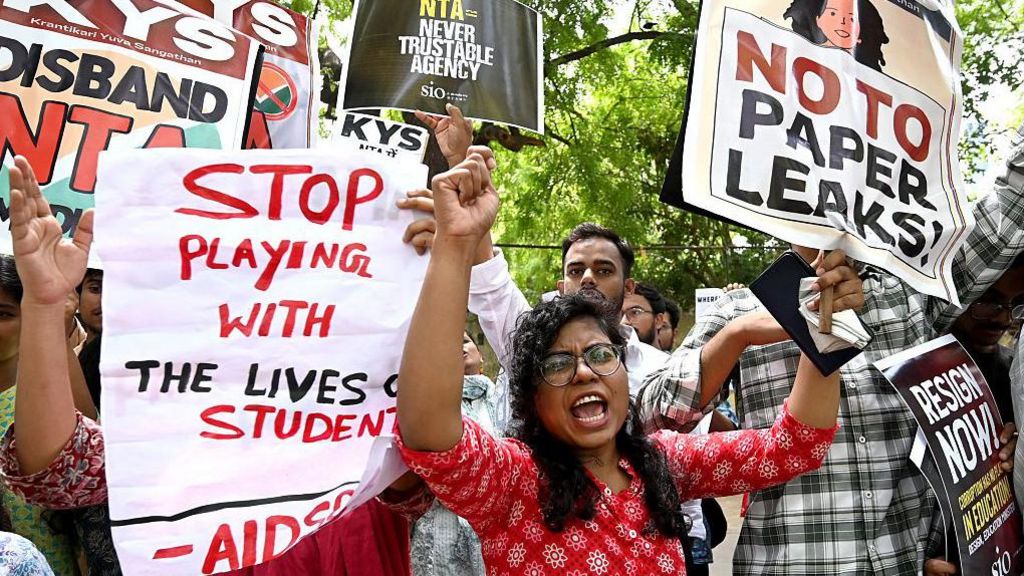
The retest comes after the original May 3 exam was canceled earlier this year following widespread public outcry and mass protests across the nation over confirmed allegations of a question paper leak. Nearly 2.28 million candidates sat for the initial NEET-UG across more than 5,000 test centers, making the exam the single gateway to undergraduate medical college seats across India. Following the leak announcement, the Central Bureau of Investigation launched a formal probe, which has already led to more than a dozen arrests of individuals linked to the cheating ring.
This year’s NEET controversy is not an isolated incident: in 2024, the same exam was rocked by similar accusations of paper leaks, grading irregularities, and controversial grace mark allocations that saw thousands of candidates receive unexpectedly high scores. The 2025 NEET cancellation, paired with a separate ongoing scandal over grading errors in India’s national school-leaving examination, has already fueled large-scale protests calling for the resignation of India’s federal education minister.
Under the latest order from India’s Ministry of Electronics and Information Technology, Telegram will remain blocked for all users in India until June 22, one day after the scheduled retest. The ministry has also demanded that the platform disable its message-editing feature for Indian users through June 30, claiming the tool has been misused to fabricate false evidence of additional paper leaks to stoke unrest.
The National Testing Agency (NTA), the government body tasked with organizing NEET-UG, has publicly endorsed the ban. In an official statement, the agency noted that cheating syndicates had systematically used Telegram’s infrastructure to coordinate fraud and defraud anxious test-takers and their families. The Indian Cyber Crime Coordination Centre (I4C), India’s leading cybercrime enforcement body, has already taken down hundreds of Telegram channels, groups, and bots that openly advertised fraudulent services, including selling purported access to the upcoming retest question paper. The NTA emphasized that no leaked exam material exists outside of its secure, encrypted examination logistics chain, and that scammers have extracted hundreds of thousands of rupees from desperate candidates in exchange for fake promises of advance access to the paper.
While the NTA has framed the ban as a necessary measure to protect the integrity of the retest, the move has drawn fierce pushback from digital rights activists, internet users, and even many affected students. Critics have dismissed the ban as a superficial “band-aid solution” that avoids addressing the deep-rooted systemic failures that allow repeated paper leaks to occur.
The Internet Freedom Foundation (IFF), a leading Indian digital rights advocacy group, has condemned the ban as unconstitutional and lacking any transparent justification. In a statement, the organization noted that the block comes at the most critical stage of last-minute preparation for NEET, when thousands of students rely on Telegram for legitimate study groups, doubt-clearing sessions, and sharing free educational resources. IFF also pointed out that the ban will not stop insider leaks originating from within the education system, testing agency staff, or the printing and logistics networks that handle the exam papers before test day.
As of hours after the government’s official announcement, many users across India still reported being able to access Telegram, and it remains unclear how authorities will enforce the block across the country’s fragmented internet infrastructure. Telegram has not yet issued an official public response to the order, and the BBC has confirmed it has reached out to the platform for comment. The NTA has acknowledged that the temporary block will create inconvenience for millions of Indian users who rely on Telegram for legitimate personal, professional, educational, and informational purposes, but argued that the measure is necessary to preserve the fairness of the high-stakes exam that shapes the career trajectories of India’s future doctors.