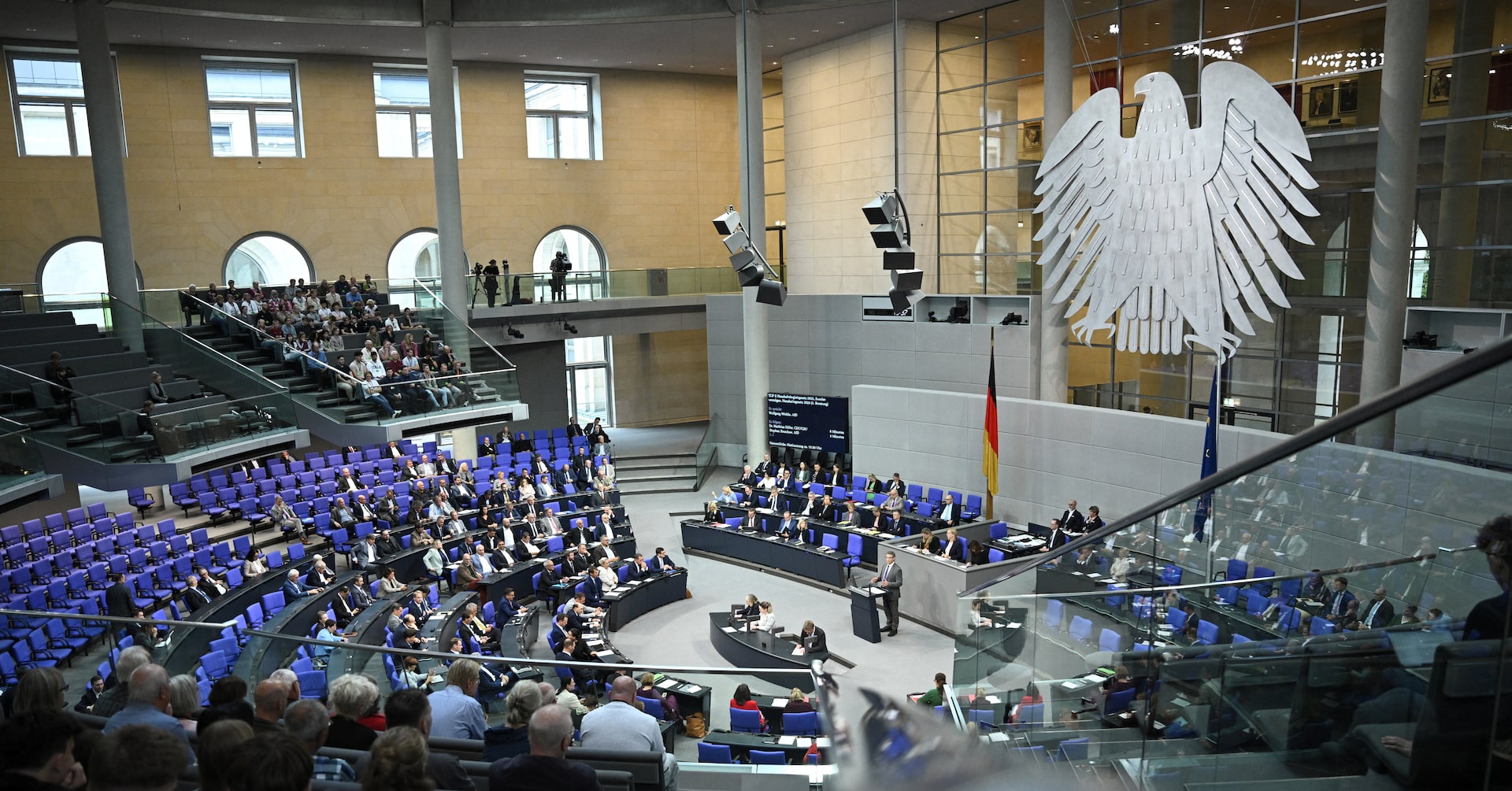
In a landmark decision, Germany’s Bundestag, the lower house of parliament, has approved the nation’s 2025 federal budget, marking a significant departure from decades of fiscal conservatism. The budget, passed on September 18, 2025, in Berlin, allocates a record €116 billion ($136.94 billion) in investments, enabled by a €500 billion infrastructure fund and exemptions from debt rules for defense spending, which were approved earlier in March. Finance Minister Lars Klingbeil hailed the budget as a ‘huge paradigm shift in German fiscal policy,’ emphasizing its role in revitalizing the economy and bolstering national defense. The budget reflects Germany’s commitment to increased military spending, particularly in support of Ukraine and NATO allies, while addressing the economic stagnation that has plagued Europe’s largest economy. The 2025 budget also includes a core borrowing plan of €81.8 billion, with total borrowing rising to €143.2 billion when accounting for special funds for infrastructure and defense. This fiscal shift comes after Germany operated on a provisional budget in 2024 due to the collapse of the former ruling coalition. Looking ahead, Chancellor Friedrich Merz’s coalition government faces challenges in balancing future budgets, particularly with a projected €30 billion shortfall in 2027. Difficult debates on welfare cuts and spending priorities are expected, as the coalition seeks to reconcile differing views between conservative and Social Democrat partners. Parliament is set to begin discussions on the 2026 budget next week, with final approval anticipated in November.