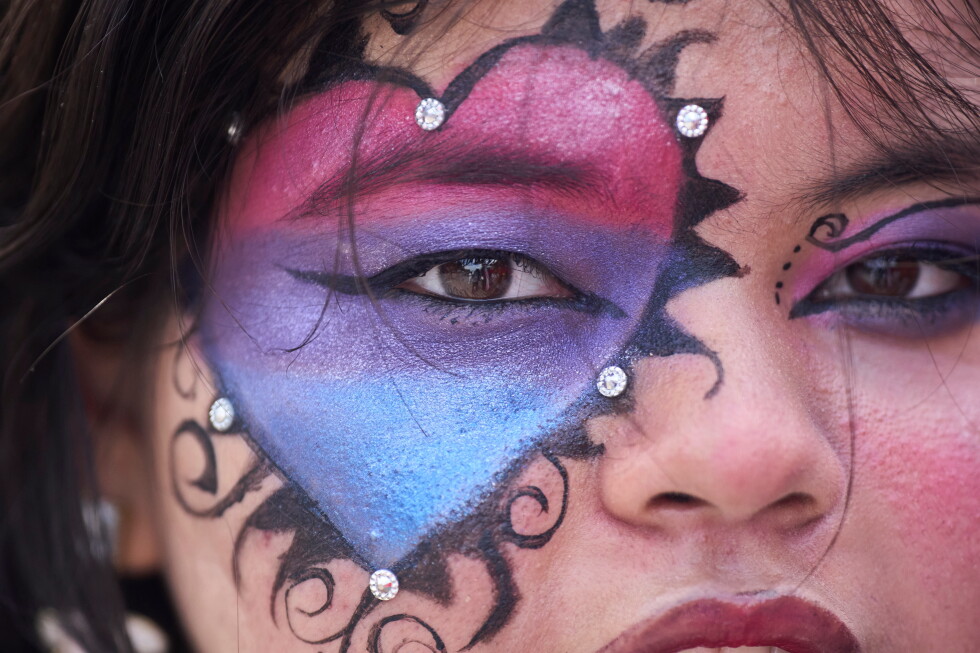
Hundreds of LGBTQ+ activists, community members and allied supporters filled the streets of Nepal’s capital Kathmandu Saturday, marking Pride Month with a public demonstration of visibility and celebration amid a wave of incremental but groundbreaking legal and political wins for queer rights in the South Asian nation.
Unlike many regional neighbors where gender and sexual minority rights remain heavily restricted or criminalized, Nepal has emerged as a surprising trailblazer for LGBTQ+ inclusion in Asia over the past 15 years. The nation’s progress traces back to a landmark 2007 Supreme Court ruling that mandated the government implement policy reforms to protect non-cisgender and queer citizens from discrimination. That ruling laid the legal groundwork for one of South Asia’s most progressive gender identification policies, which today allows people who do not fit within the traditional binary of male or female to select a dedicated “third gender” category on official government documents, including passports.
That momentum was codified into national law with the adoption of Nepal’s 2015 constitution, which included an explicit ban on discrimination based on sexual orientation — a protection that put Nepal far ahead of most other Asian nations. More recently, the country solidified its status as a regional leader by becoming one of the first Asian countries to formally legalize same-sex marriage, a move that drew international attention as a milestone for queer rights in the region.
The most recent step forward came following the general election held this past March, which brought Prime Minister Balendra Shah’s government to power. In a historic move for the nation, the new administration launched a dedicated cabinet-level department: the Ministry of Women, Children, Gender and Sexual Minorities and Social Security. This marks the first time Nepal has created a standalone government body specifically tasked with addressing policy and social issues affecting women and sexual minority groups, a shift that community leaders frame as a critical step toward embedding LGBTQ+ needs into national governance.
Saturday’s Pride march was both a celebration of how far Nepal has come and a public affirmation of the growing visibility of the country’s queer community, which continues to build on the legal wins of the past 15 years to push for broader social acceptance and full equal rights.