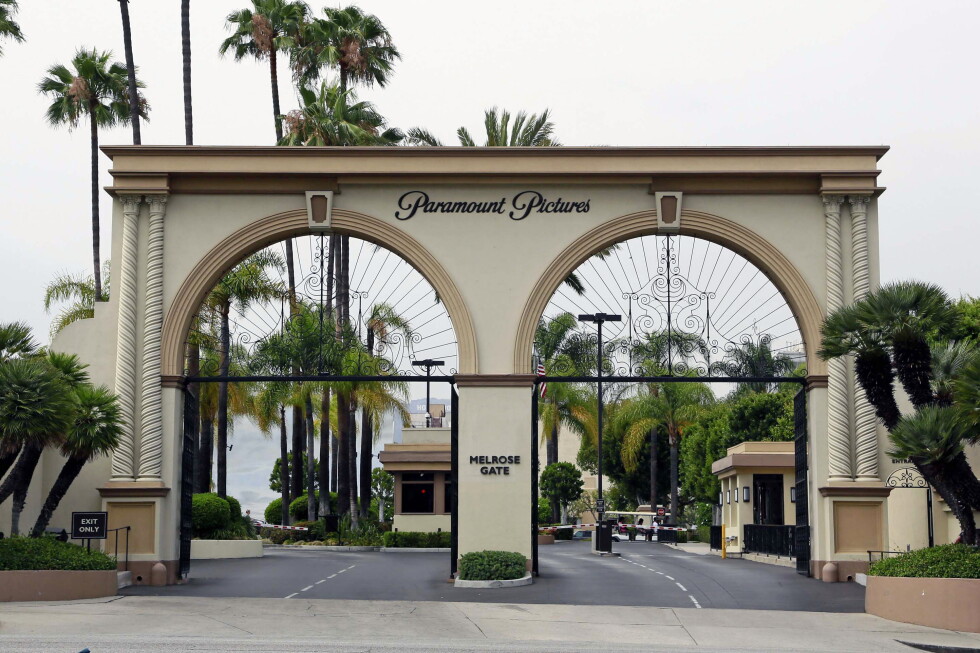
The U.S. Department of Justice has closed its antitrust investigation into Paramount Skydance’s proposed $81 billion acquisition of Warner Bros. Discovery, announcing Friday that the blockbuster Hollywood media consolidation will not harm industry competition or harm consumer interests — a major win for the deal’s backers that still leaves the merger facing ongoing regulatory checks across the U.S. and around the globe.
DOJ’s Antitrust Division concluded its probe with a final finding that the union will actually strengthen competition across the broader media and entertainment ecosystem, delivering tangible benefits for both U.S. consumers and industry workers. The planned combination was first announced in late February, after months of tense negotiations that saw Paramount Skydance outcompete a rival bid from streaming giant Netflix to secure the deal. The transaction follows Skydance’s acquisition of Paramount last year, bringing two of Hollywood’s biggest studio brands under single ownership.
Executives behind the merger have long argued that combining the two companies will unlock sustainable industry growth, expand consumer access to premium content, and create a stronger market player by merging the extensive content libraries of HBO Max and Paramount+ to compete with larger streaming incumbents. But the proposal has drawn fierce pushback from across the industry and political sphere: thousands of actors, directors, writers and other entertainment professionals signed an open letter voicing unequivocal opposition, warning that further consolidation in a market already dominated by a handful of major players will trigger mass layoffs, reduce creative options for filmmakers, and limit content choices for audiences. Multiple lawmakers have also raised concerns about the deal’s anticompetitive risks.
In its assessment, DOJ regulators closely examined the merger’s potential impact on multiple key market segments, starting with consumer video streaming. The agency found the combined entity would actually boost competition by offering a more robust, viable alternative to the sector’s largest existing streaming platforms. Regulators also addressed the role of social video platforms including YouTube and TikTok, noting that while these services compete for general consumer attention, they do not qualify as direct competitive substitutes for premium streaming services under long-standing antitrust legal precedents.
The review also found no credible risk of reduced competition in linear television, pointing to the crowded, highly competitive market for live programming that would remain intact post-merger. For theatrical film production and distribution, regulators concluded that combining the two major studio operations would not weaken competition in development, production or theatrical distribution. Instead, the department found existing industry competition is already extensive, has driven increased output and greater diversity in film offerings, and this dynamic will remain unchanged after the merger.
Despite the DOJ’s approval, the merger is far from cleared to close. California Attorney General Rob Bonta has publicly confirmed his state is conducting its own independent investigation into the transaction. Internationally, both European Union and U.K. regulators have launched their own probes: the European Commission has set a tentative July 7 deadline for its review, while the U.K. Competition and Markets Authority aims to issue an initial decision by early August.
Paramount Skydance CEO David Ellison has sought to ease concerns, promising to operate Paramount and Warner Bros. as separate standalone movie studios and committing to release 30 theatrical films annually from the combined entity. Company leadership has also acknowledged that the merger will lead to significant job cuts to eliminate overlapping roles and operational duplication.
The two companies have targeted the third quarter of this year to complete the acquisition, and the timeline is already winding down. Per the merger agreement, Paramount will be required to pay shareholders a 25-cent per share “ticking fee” every quarter if the deal fails to close by September 30. The agreement also includes a $7 billion termination fee that would be paid if regulators ultimately block the transaction.