The 2026 FIFA World Cup, co-hosted by the United States, Canada and Mexico, opened on Thursday to widespread controversy, as sweeping visa denials, entry bans and controversial security measures imposed by U.S. authorities have barred dozens of accredited football delegates, sports officials, journalists and fans from accessing matches, drawing accusations of politically motivated discrimination against the global football community.
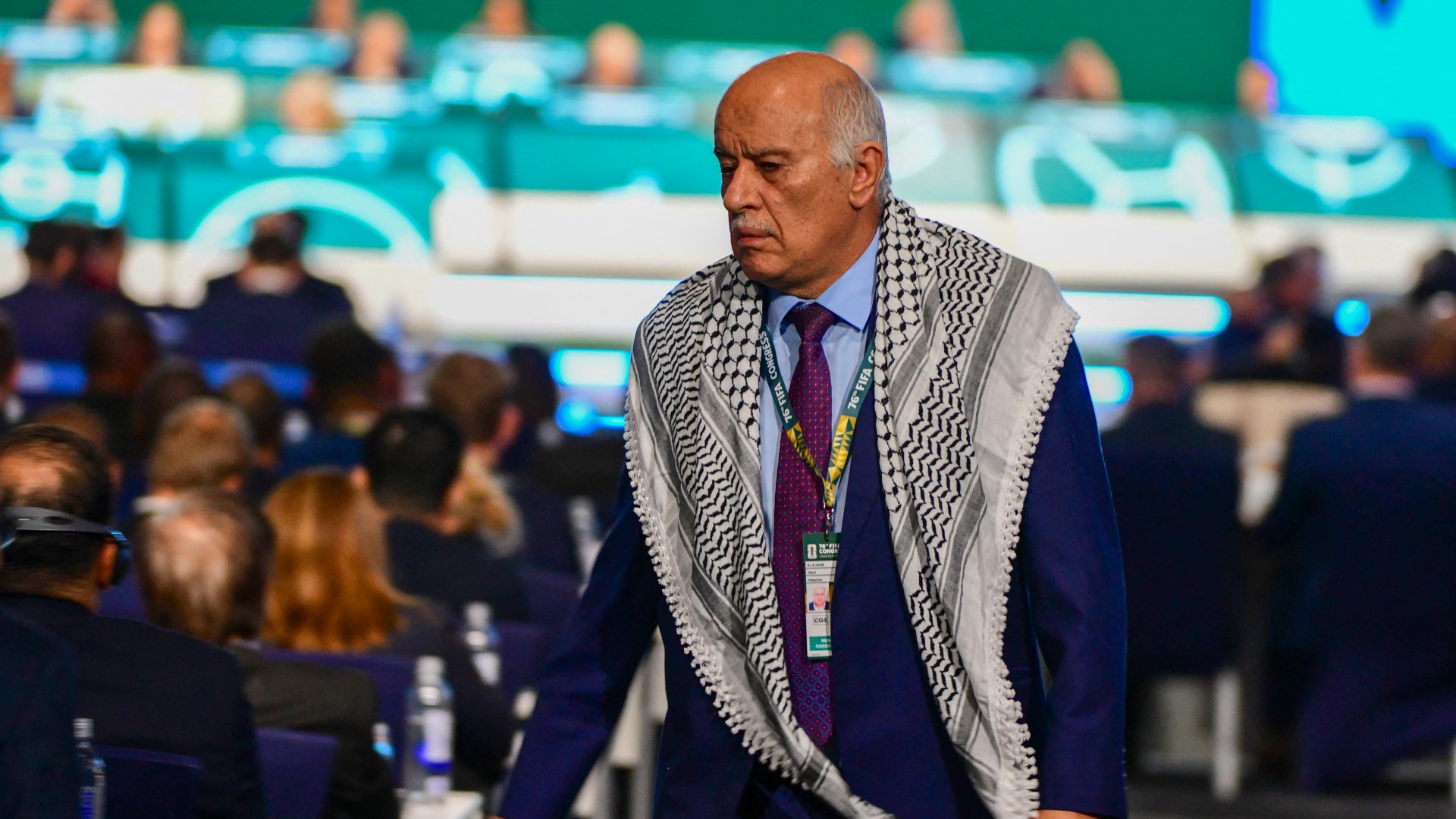
The most high-profile case involves Jibril Rajoub, president of the Palestinian Football Association, who holds official FIFA accreditation to attend the tournament. Though the Palestinian men’s national team did not qualify for this year’s World Cup, Rajoub planned to join fellow global football governing body delegates to watch matches in the U.S. Instead, U.S. consular officials rejected his visa application, leaving him stuck in Mexico City, where he watched the tournament’s opening fixture between Mexico and South Africa earlier this week.
Rajoub has framed the visa refusal as a politically motivated attack on the fundamental right of global football representatives to participate in the world’s biggest sporting event. He highlighted the stark double standard between this tournament and the 2018 World Cup in Russia, where he traveled and attended matches without any diplomatic barriers. “I don’t believe that it’s fair to use or to abuse and deny the right of all footballers all over the world to attend,” he said, adding the restriction is fundamentally unfair.
The refusal comes just one month after Rajoub declined a public request from FIFA President Gianni Infantino to shake hands with the head of the Israeli Football Association. Rajoub explained at the time that such a symbolic gesture would merely serve to whitewash Israel’s widely condemned unlawful actions in Palestinian territories.
Rajoub is far from the only accredited World Cup stakeholder blocked from entering the U.S. The visa issues have already touched nearly every corner of the global football community, from top referees to national team delegations, working journalists, and ordinary ticket-holding fans.
In one recent high-profile incident, Omar Abdulkadir Artan, named 2025 African Referee of the Year, was denied entry to the U.S. even though he held a fully valid visa issued by the U.S. Department of State. Members of Iraq’s official national delegation, including star striker Aymen Hussein and the team’s official photographer, were held for seven hours of detention at Chicago O’Hare International Airport. While Hussein was ultimately granted entry after extended questioning, the photographer was turned away and deported.
The International Sports Press Association has confirmed that dozens of journalists from African nations and Iran have also been blocked from obtaining the multi-entry visas required to travel between all three co-host nations to cover matches. Even fans with confirmed match tickets have not been spared: fans from Scotland and Morocco have seen their pre-approved travel authorizations revoked or their visa applications rejected at the last minute, just days before they were set to travel for the tournament. Iran’s government additionally confirmed that the 8 percent ticket allocation allocated to official Iranian fans was revoked just days before the tournament kicked off, leaving hundreds of Iranian supporters who had already booked flights and accommodation stranded with no way to attend.
Compounding growing tensions over access to the tournament, the U.S. Department of Homeland Security recently confirmed that U.S. Immigration and Customs Enforcement (ICE) enforcement agents will be deployed inside World Cup stadiums hosted on U.S. soil as part of the tournament’s security plan. More than 120 U.S. and international civil rights organizations have condemned the decision, warning that the presence of uniformed immigration enforcement agents inside venues will undermine the personal safety of both international visitors and stadium staff, particularly for fans and workers from immigrant backgrounds.
In response to widespread criticism of the visa restrictions and disruptions, FIFA issued a formal statement asserting that the governing body does not intervene in the domestic immigration and visa adjudication processes of the tournament’s host nations. This neutral stance has already drawn comparisons to FIFA’s 2023 decision to strip Indonesia of the right to host the Under-20 World Cup, after Indonesian local government officials objected to Israel’s participation in the tournament.
This independent reporting was originally produced by Middle East Eye, a global outlet focused on in-depth coverage of the Middle East and North Africa region.