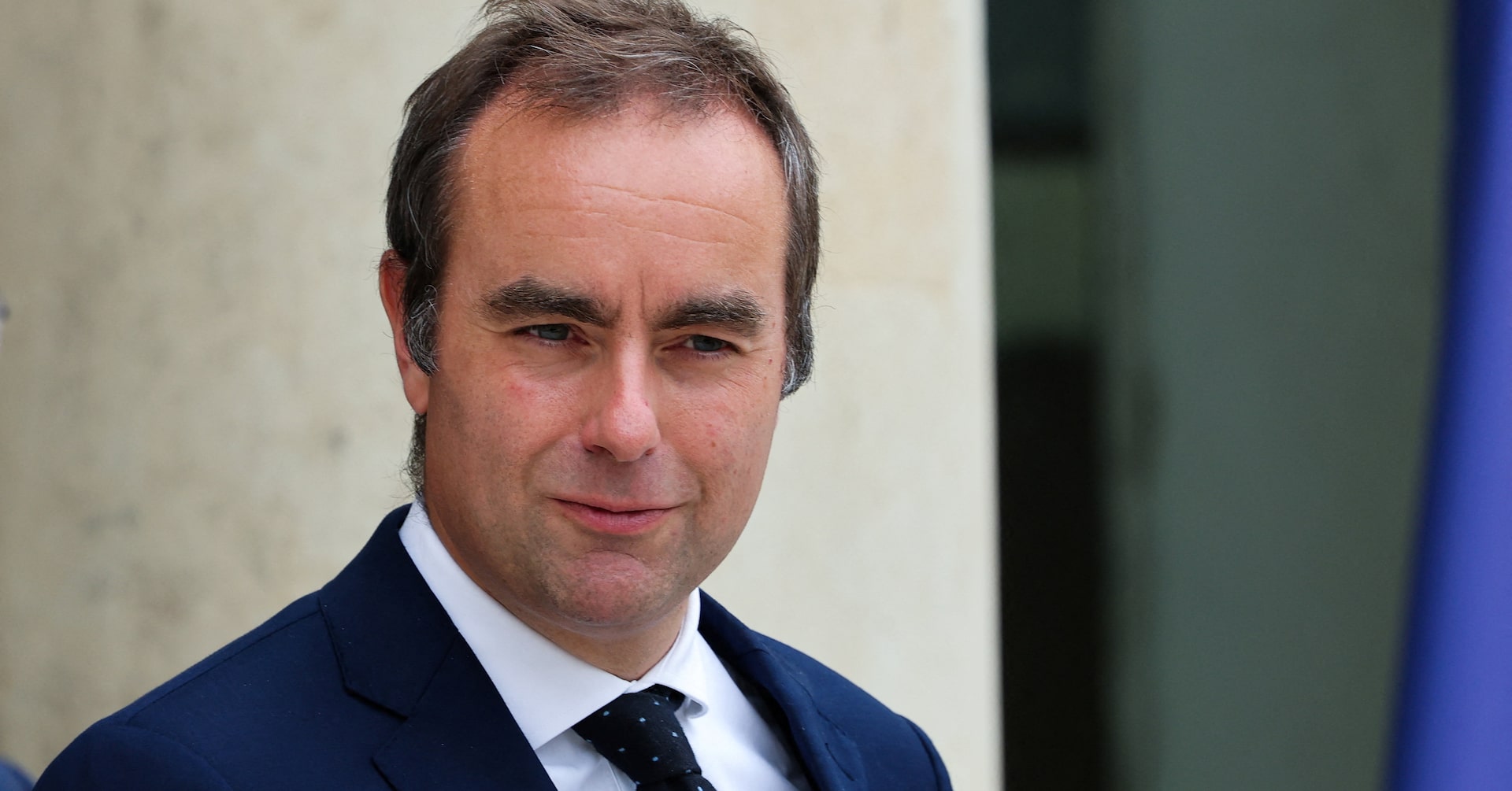
French Prime Minister Sébastien Lecornu finds himself at a critical juncture as he navigates the contentious debate over a proposed 2% wealth tax on billionaires, a measure that could determine his political survival. The tax, dubbed the ‘Zucman tax’ after economist Gabriel Zucman, targets individuals with assets exceeding €100 million and has garnered overwhelming public support, with 86% of voters in favor, including 92% of President Emmanuel Macron’s party members. However, the proposal faces fierce opposition from right-wing lawmakers and business leaders, who warn it could stifle investment and trigger capital flight. Lecornu, who assumed office less than two years ago, is racing to finalize the 2026 budget by October 7, with the Socialists demanding the tax as a condition for their support. Failure to secure their backing could lead to a no-confidence motion, potentially toppling his government. The tax, which would affect approximately 1,800 households, is projected to raise up to €20 billion annually, aiding France’s efforts to reduce its budget deficit, the largest in the eurozone. Critics argue that the tax could harm innovative startups like Mistral AI, Europe’s rising star in artificial intelligence, while proponents insist it is a necessary step toward tax justice and reducing wealth inequality. The debate has reignited discussions about France’s tax burden, already the highest among OECD countries, and its implications for economic competitiveness. As Lecornu weighs the political and economic ramifications, the fate of the Zucman tax remains uncertain, with potential constitutional challenges looming.