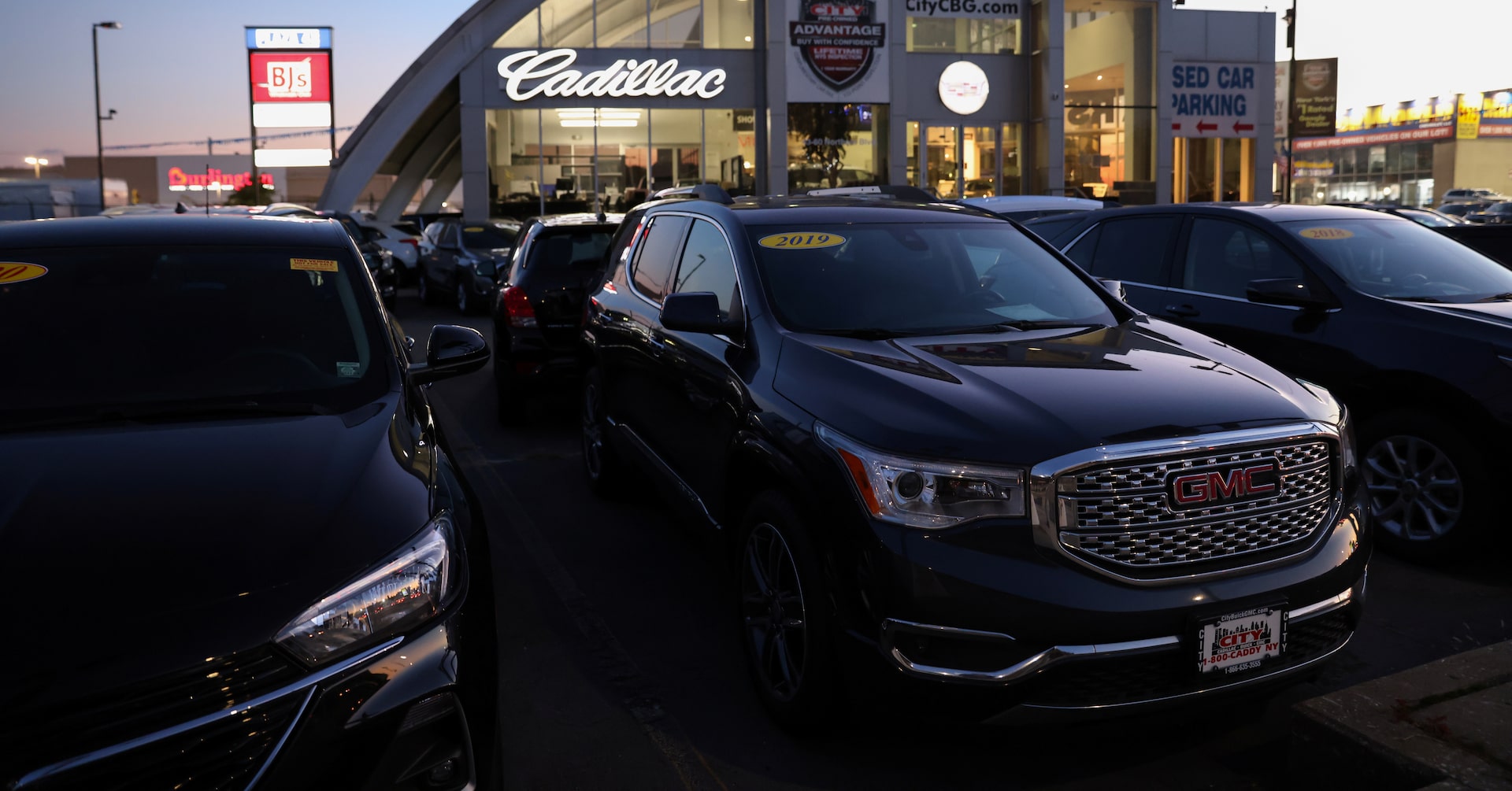
Automakers in the United States are grappling with the financial strain imposed by tariffs introduced during the Trump administration, which have added billions in costs to the industry. Despite these challenges, car manufacturers have largely absorbed these expenses rather than passing them directly onto consumers, a strategy that has delayed significant price hikes. However, as tariffs persist, the pressure to adjust pricing is mounting. According to industry analysts, the average manufacturer’s suggested retail price (MSRP) for new vehicles in the U.S. has seen only a modest increase of less than 1% from mid-March to mid-August, as reported by Edmunds. This cautious approach is expected to continue, with automakers implementing gradual price increases, particularly for higher-end models that offer better profit margins. General Motors and Ford have cited gross tariff-related costs of $5 billion and $3 billion, respectively, for the year. To mitigate these expenses, companies are exploring various strategies, including internal cost absorption and shifting some burdens to suppliers or dealers. Hyundai North America’s CEO, Randy Parker, emphasized the importance of maintaining competitive pricing to retain customers, despite tariff-related costs eroding the company’s bottom line by approximately $600 million in the second quarter. Analysts predict that automakers will begin to raise prices more noticeably in the latter half of the year, which could dampen demand and lead to a decline in overall vehicle sales. Additionally, subtle cost pass-throughs, such as increased destination fees, which rose by 8.5% for the 2025 model year, are being utilized to offset tariff impacts without direct price hikes. Industry leaders, including AutoNation’s CEO Mike Manley, anticipate that automakers will maintain competitive pricing on flagship models while making minor adjustments across their portfolios over time. The competitive landscape and the importance of market share are key factors influencing this gradual approach to price adjustments.
Automakers have resisted raising car prices because of tariffs. That might not last.