Australia’s political landscape has been thrown into fresh chaos this week, as a stunning surge in polling for far-right party One Nation has been overshadowed by a series of embarrassing policy blunders that have raised serious questions about the party’s preparedness to govern. At the center of the controversy is veteran political figure Barnaby Joyce, who has conceded he made a major misstatement during a live television interview on One Nation’s proposed housing policy — an error he blames on the fact that the full details of the policy were never formally documented. The unforced error has sparked fierce criticism from the ruling Labor government and laid bare deep inconsistencies in how One Nation representatives communicate key policy proposals to voters.
The drama unfolded on Thursday, when Joyce appeared on Sky News to outline One Nation’s plan to restrict property ownership by non-Australians. The policy, broadly framed to prioritize home access for Australian citizens, requires non-residents to sell any Australian properties they own within a two-year window. During the interview, Joyce incorrectly stated that permanent residents would be caught by the new rules. Only hours after the segment aired, he was forced to return to the same program to issue a hasty correction, clarifying that permanent residents would not be forced to sell their homes.
One Nation leader Pauline Hanson later stepped in to lock in the clarified position, confirming the policy would only target foreign owners, specifically temporary visa holders. Even with Hanson’s intervention, however, confusion persisted: the following day, One Nation Senator Sean Bell was unable to answer basic follow-up questions about the policy during an interview with 2GB, including what enforcement measures would apply if a property was not sold within the mandated two-year period. When Bell repeatedly dodged the question, host Mark Levy cut the interview short, describing the exchange as a “trainwreck.”
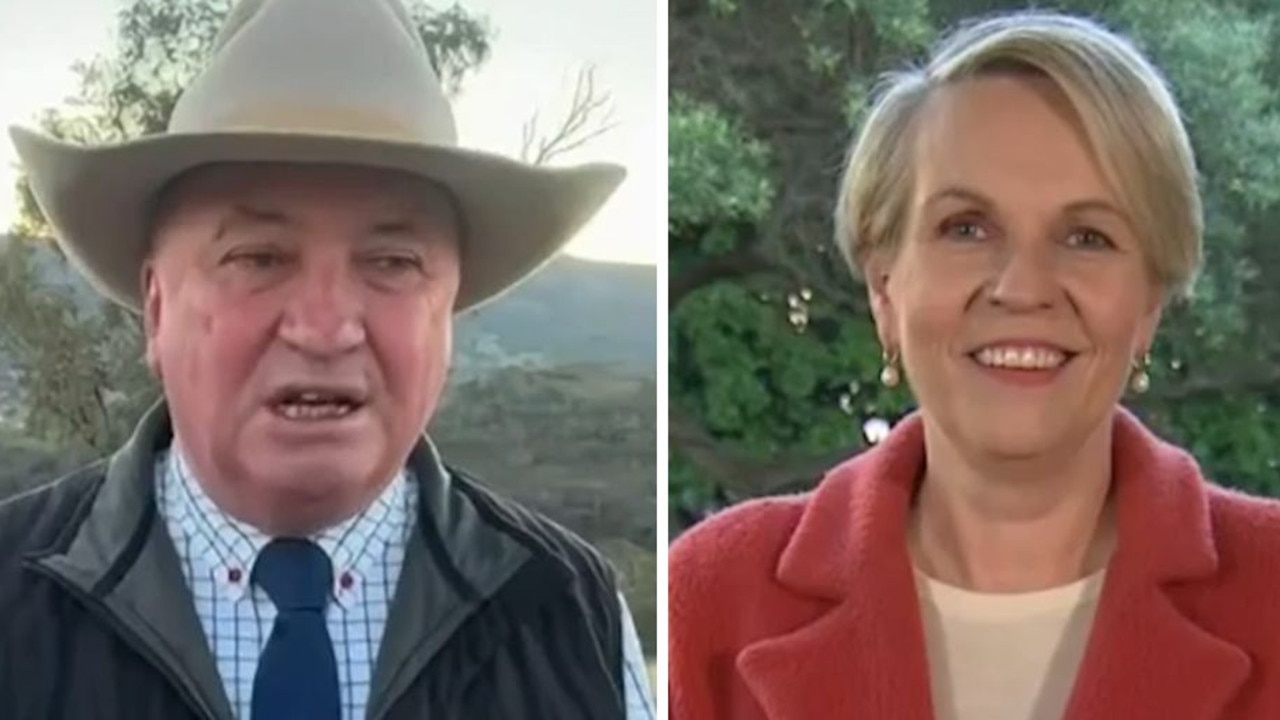
Days after the initial blunder, Joyce broke his silence on the controversy during an appearance on Seven’s *Sunrise*, where he made a major concession that has reignited debate over One Nation’s policy credibility. He admitted that at the time of his Sky News interview, the party had not formally drafted or written down the details of the housing policy. “I made a mistake because we didn’t have the policy written down, and I corrected it on the same news… and all of a sudden they’re saying One Nation is over,” Joyce said. He pushed back against critics, arguing that voter dissatisfaction with the current government, not a single interview misstep, is driving One Nation’s growing support. “People have changed, not because of an interview on Sky. People have changed because they don’t trust [the government] anymore, and their lives are not getting better,” he added. Labor Social Services Minister Tanya Plibersek quickly called out Joyce’s admission, pressing him: “So you just made it up? You didn’t have it written down?”
The policy chaos comes as new polling data delivered a seismic shift in Australian federal voting intentions. The latest Newspoll conducted for *The Australian*, which surveyed 1,240 voters between the previous Monday and Thursday, recorded One Nation’s primary vote surging to 31 percent — putting the party one point ahead of the ruling Labor Party on 30 percent, and far ahead of the opposition Coalition, which recorded just 18 percent primary support. While Labor remains ahead of both One Nation and the Coalition on a two-party preferred basis, the primary vote result marks a historic high for Pauline Hanson’s far-right party and signals deep voter unrest with the established political order.
Responding to the new polling, Plibersek acknowledged that Australian voters are hungry for major change, but argued that Labor is the only party capable of delivering meaningful reform. “We agree this country needs to be changed so that it’s fairer, so people get paid more, taxed less, they get the health and education services that they deserve,” she said. “We agree with all of that. That’s what we’re changing. One Nation is the party that’s opposing those changes.” As the fallout from the policy blunder continues, political observers are watching closely to see whether the confusion around the housing policy will erode One Nation’s newly gained support ahead of any future federal election.