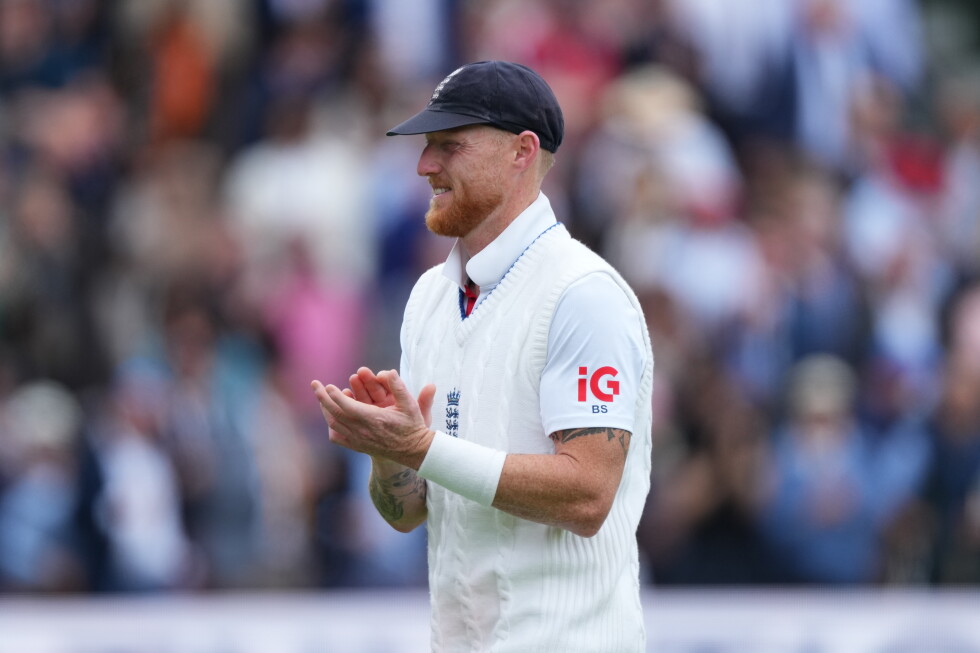
England men’s cricket captain Ben Stokes has issued a stark public warning about the future of Test cricket, arguing that the subpar pitch prepared for the opening match of his side’s series against New Zealand at Lord’s has done no favors for a format already fighting to retain relevance amid the global boom of short-form Twenty20 cricket. England secured an 115-run victory over the Black Caps in the opening Test, but the match itself raised far more questions than it answered about the long-term health of the five-day game.
By the conclusion of the contest, only 166 overs had been completed across four days of play, marking the second shortest Test ever held in the 150-year history of Test matches at the iconic Lord’s ground, widely known as the home of cricket. The two sides combined for a total of just 617 runs, a meager total that reflected how unfriendly the surface was for batting. On this unpredictable, erratic pitch that caused constant chaos for batters, a wicket fell approximately every 25 balls. BBC statistics confirm this is the lowest overs-per-wicket ratio recorded in any Test held in England since 1907.
To put the lopsided nature of the pitch in perspective: 24 of the 40 batsmen dismissed in the match were either bowled or out leg before wicket, a new record for a Test played in English conditions. Stokes, one of the most vocal high-profile advocates for preserving the popularity and relevance of Test cricket in the modern era, said the spectacle served up at Lord’s did nothing to help the long-term standing of the format, which many critics argue is declining toward irrelevance.
“I get asked constantly about the future of Test cricket, what we need to do to keep it growing, and how we can protect its standing as a top-tier format for future generations,” Stokes told reporters in his post-match press conference, ending his lengthy remarks with a clear warning for cricket governing bodies.
“As someone who loves Test cricket with all my heart, I have to ask: did this pitch help Test cricket moving forward? I don’t think it did at all.” While the match dragged into a fourth day, that timeline came only after an entire day’s worth of play on the third day was lost to heavy rain. Without that weather interruption, Stokes argued the match would have finished even earlier, leaving thousands of ticket-holding fans shortchanged on the full experience they paid to see.
“If you bought tickets for Day 1, you might well have enjoyed the chaos – wickets falling everywhere, balls flying to all parts of the ground, because that forced batters to adopt an aggressive approach to score any runs at all,” Stokes explained. “But the flip side of that is that without rain, the whole match would be over before most fans get a chance to see multiple days of cricket. That isn’t what we want. We need to find that middle ground between bowler-friendly and batter-friendly pitches that produce a compelling, full contest.”
Despite his criticism of the playing surface, Stokes was quick to praise his own side’s ability to adapt to the challenging conditions, noting that many batsmen could only laugh in bemusement as they walked back to the dressing room after baffling dismissals caused by erratic seam movement. Stokes himself fell victim to the unpredictable surface in the second innings, recording a three-ball duck after a delivery from New Zealand seamer Nathan Smith straightened unexpectedly to clip the top of off-stump, leaving the captain shaking his head in disbelief.
Stokes added that the result still stands as a credit to his side’s ability to adjust, saying: “This result doesn’t take anything away from what we had to do to win this week. We turned up, played our brand of cricket, and found a way to come out on top even in these really difficult conditions. Next week at The Oval will be completely different, and we’ll adapt again when we get there.”
That pragmatic assessment was echoed by New Zealand captain Tom Latham, ahead of the second Test of the series kicking off at The Oval on June 17. “I don’t think we need to over-analyze what happened here,” Latham said. “We know we’re going to The Oval next, and everyone expects the conditions there will be far better than what we encountered here at Lord’s.”