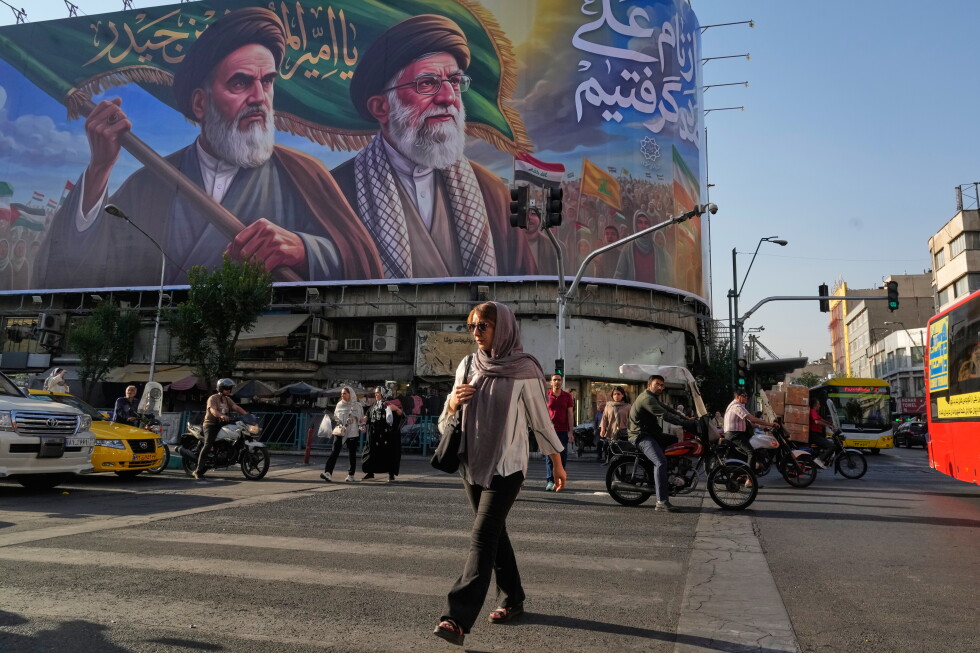
Diplomatic efforts to de-escalate the months-long Middle East conflict gained new momentum Sunday, as Pakistan’s top interior official arrived in Tehran to broker renewed negotiations between Iran and the United States — even as U.S. forces downed two additional Iranian drones threatening international shipping in the strategic Strait of Hormuz. This mediation push comes as the U.S. administration ramps up pressure on Iran to reach a comprehensive agreement that would end the broader regional conflict, which has roiled global energy markets and pushed vulnerable food-importing nations to the brink of a widespread hunger crisis. While a preliminary ceasefire for the main Iran-Israel-U.S. conflict took hold April 8, negotiators have yet to lock in a permanent end to hostilities, leaving the region on edge.
According to Iran’s state-run Islamic Republic News Agency (IRNA), Pakistani Interior Minister Mohsin Naqvi is carrying a formal message from Pakistan’s Army Chief Field Marshal Asim Munir to Iran’s newly installed Supreme Leader Ayatollah Mojtaba Khamenei. Khamenei, who assumed leadership after his father was killed in the opening day of the U.S.-Israeli bombardment campaign against Iran on February 28, has not appeared in public since taking power. Official Iranian media confirmed Naqvi held introductory talks with Iranian Interior Minister Eskandar Momeni Saturday evening, followed by a separate meeting with Iranian Foreign Minister Abbas Araghchi Sunday morning. No details of the message’s content have been released publicly.
Pakistani authorities have confirmed Islamabad is leading a regional mediation bloc with backing from Qatar, Turkey, and Egypt, working to bridge longstanding gaps between Washington and Tehran. The coalition’s core goals are to reduce cross-border and maritime tensions and secure the full reopening of the Strait of Hormuz, the world’s most critical chokepoint for global oil and liquefied natural gas exports. The ongoing closure of the strait has already sent energy prices soaring worldwide, triggering widespread economic disruption.
Even as diplomatic efforts move forward in Tehran, the fragile U.S.-brokered ceasefire between Israel and the Iranian-backed Lebanese militant group Hezbollah has failed to hold, threatening to scuttle broader regional peace talks. Hezbollah has publicly rejected the U.S.-mediated deal reached last week in Washington, demanding that any ceasefire in Lebanon be tied to broader negotiations between Iran and the U.S. to end the overall conflict.
Over the weekend, the Israeli military launched a series of airstrikes across southern Lebanon, targeting more than 150 alleged Hezbollah military positions including rocket launch pads and command and control centers. Early Sunday, Israeli defense systems intercepted five projectiles fired from Lebanon into northern Israel, with all unexploded ordnance landing in unpopulated open areas. While Hezbollah did not immediately claim responsibility for the projectile launches, the group confirmed it carried out targeted attacks on Israeli military personnel deployed in southern Lebanon. The Israeli military confirmed two of its soldiers were killed in Saturday’s clashes in the border region.
Israeli forces currently occupy large swathes of southern Lebanon as part of their latest ground offensive. Israeli Prime Minister Benjamin Netanyahu, who faces national elections later this year, has insisted he will continue the offensive until Hezbollah is permanently removed as a threat to Israel’s northern border. Iran has repeatedly stated that any lasting regional truce must include an end to hostilities in Lebanon.
In a parallel development, Lebanese Army Commander General Rodolphe Haikal traveled to Pakistan Saturday at the invitation of Pakistan’s army chief. The Lebanese military has not released any details on the purpose of the visit, nor confirmed whether it is tied to Pakistan’s ongoing mediation efforts between Washington and Tehran.
In the Persian Gulf, hostilities continued over the weekend: the U.S. military confirmed it shot down two Iranian drones Sunday, following a larger exchange of fire Saturday that saw Tehran launch missiles and drones targeting U.S. assets in the region. In response to Saturday’s attacks, U.S. forces struck Iranian coastal surveillance radar sites along the Strait of Hormuz. U.S. Central Command confirmed the downed drones posed an immediate threat to commercial and military maritime traffic transiting the strait.
IRNA reported that Iran’s Islamic Revolutionary Guard Corps claimed Saturday’s attacks targeted two key U.S. positions: the Ali Al Salem Air Base that hosts U.S. forces in Kuwait, and the U.S. Navy’s Fifth Fleet based in Bahrain. The U.S. military confirmed there were no casualties among American personnel in Saturday’s attacks. Earlier this month, an Iranian drone strike heavily damaged the main passenger terminal at Kuwait International Airport, killing one person and injuring dozens more.
The U.S. has maintained a strict naval blockade of Iranian ports in response to Iran’s control of the strait. The spike in global energy prices triggered by the closure of the corridor has created significant political headwinds for President Donald Trump’s Republican Party ahead of November’s midterm congressional elections.