A wave of outrage has swept across France following the confirmed murder of 11-year-old Lyhanna, a tragedy that has exposed catastrophic gaps in the country’s justice system after revelations that the primary suspect had long been flagged as a danger to children.
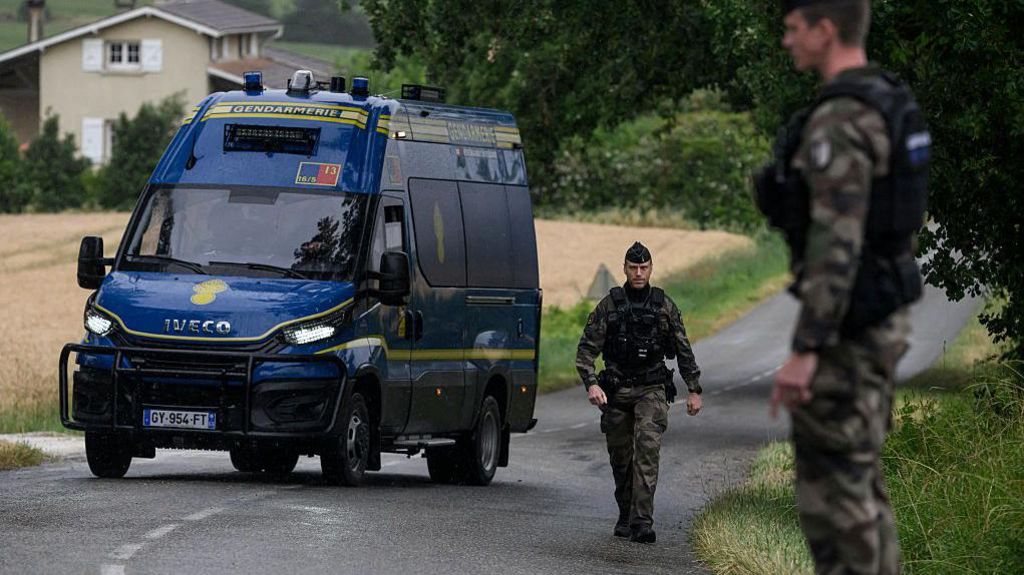
Lyhanna went missing shortly after leaving her school in the rural Gers region of southwestern France one week ago. On Thursday, search teams located a body on agricultural land near the small town of Fleurance, which authorities have confirmed is that of the missing girl, concluding a days-long large-scale search operation that mobilized hundreds of local officials and volunteers.
The main suspect in the case, 41-year-old Jérome B. — father of one of Lyhanna’s classmates — has been held in police custody since Monday. Two independent witnesses have placed the girl in his vehicle on the same afternoon she disappeared, linking him directly to her abduction.
As the community grapples with shock and collective grief, the case has rapidly escalated into a major national political scandal after official disclosures laid bare Jérome B.’s long history of red flags for child harm that were never acted on by authorities. Over recent years, he has been named as a person of interest in four separate incidents involving underage girls. Two of these investigations were closed prematurely due to insufficient evidence, while Jérome B. was ultimately fired from his position as a maintenance worker at a local secondary school for documented inappropriate behavior toward a teenage student.
It is the fourth, unresolved complaint, however, that has triggered national fury. Last August, the mother of 10-year-old Rosa filed a formal police report alleging that Jérome B. had raped her daughter on multiple occasions. Medical examinations later confirmed the child’s account of abuse, yet in the nine months between the filing of the complaint and Lyhanna’s murder, investigators never once called Jérome B. in for questioning.
France’s judicial system has long been criticized for crippling bureaucratic delays, and in this case, administrative backlogs were compounded by a confusing transfer of the case between two separate legal jurisdictions. What has most appalled the French public, however, is that multiple clear warning signs about Jérome B. were ignored entirely. Authorities prioritized rigid procedural adherence over removing a known potential threat from contact with children, systemic failures that directly led to Lyhanna’s death.
With France’s presidential election less than 12 months away, political figures across the ideological spectrum have seized on the tragedy to condemn the current government’s handling of public safety and judicial reform. Jordan Bardella, president of the far-right National Rally party, wrote on social media platform X that “the French people demand a reckoning. This terrible tragedy could have been avoided if the justice system were not so dysfunctional.”
Bruno Retailleau, a senior leader of the center-right Les Républicains party, echoed the criticism, saying, “Our justice system is a failure, it should be totally reformed. A society that is incapable of protecting its own children is a society which will one day start turning against itself.”
On the left, Marine Tondelier, head of the French Ecologists party, framed the killing as a “symbol of a politico-judicial system incapable of handling the issue of sexist and sexual violence.”
Incumbent President Emmanuel Macron has publicly acknowledged the systemic failures that led to the killing, admitting that “it is clear” that there were unforgivable missteps. “It is unacceptable. We cannot look Lyhanna’s family in the face and say this was properly handled,” Macron said.
Justice Minister Gerald Darmanin also acknowledged the gravity of the failures, saying he was “terrified” by what the investigation has uncovered. “It is fair to ask why a man who was so obviously the object of suspicions was not kept away from youngsters… Why did no-one act, even though for months there had been complaints against him?” Darmanin told reporters.
Prime Minister Gabriel Attal has formally ordered a full audit of the case, with investigators required to submit a full public report outlining all procedural failures within 15 days.