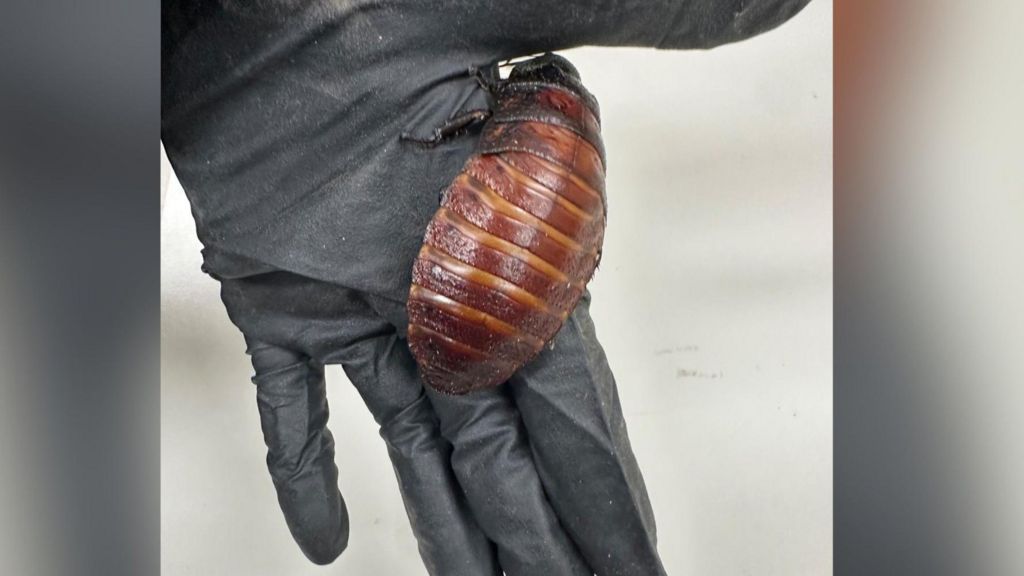
In a landmark operation for biosecurity protection, Australian environmental officials have seized more than 100,000 prohibited exotic cockroaches from a commercial breeder in the Central West region of New South Wales, marking the largest seizure of illegal invasive invertebrates in the country’s history.
The haul, which has an estimated black market value of 200,000 Australian dollars (equal to roughly 143,000 USD or 106,000 GBP), includes two high-risk species: Madagascar hissing cockroaches, one of the largest cockroach species on Earth that can grow to the size of an adult human’s palm and gets its name from the distinct loud hissing sound it produces, and dubia cockroaches. Under Australian federal law, neither species may be legally imported, kept, bred, or sold within national borders.
The illegal colony was discovered at a breeding operation in Bathurst, a city located approximately 200 kilometers west of Sydney. Investigations into the operation found the trafficked cockroaches were being raised and distributed primarily as cheap, high-volume feed for captive pet reptiles. According to industry insiders, the exotic roaches have gained popularity among some reptile owners because of their large size — a single palm-sized specimen can serve as a full meal for a grown lizard, eliminating the need to feed multiple smaller, legal feeder insects like native wood roaches. Local Bathurst snake catcher Stefanie Lesser confirmed to the Australian Broadcasting Corporation that she has repeatedly observed these illegal invertebrates being openly sold via online marketplaces to reptile keepers across the country.
Officials from the Department of Climate Change, Energy, Environment and Water (DCCEEW), which led the seizure operation, warn that unregulated invasive insects pose severe, long-term threats to Australia’s unique native ecosystems and agricultural industry. If released or escaped into the wild, these non-native cockroaches can spread harmful pathogens, outcompete local invertebrate species for resources, and disrupt native food chains. All seized cockroaches will be humanely euthanized and disposed of safely to eliminate any biosecurity risk.
In a public statement following the seizure, DCCEEW issued a formal warning to unlicensed pet sector businesses and reptile owners across the country that it is cracking down on the illegal breeding and trade of prohibited exotic cockroaches. Anyone found in possession of, breeding, or trafficking these banned species will have their stock seized and can face significant fines and other penalties under federal biosecurity law. The department has urged reptile owners currently using dubia cockroaches as feeder insects to transition to legal, permitted alternatives such as crickets and native wood roaches immediately to avoid potential enforcement action.