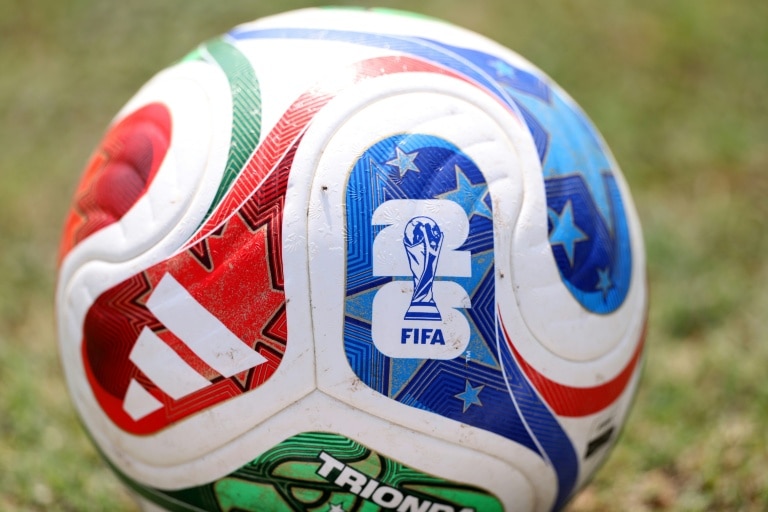
As excitement builds for the 2026 FIFA World Cup, the first expanded 48-team iteration of the world’s biggest football tournament set to kick off across 16 host cities in the United States, Mexico and Canada on June 11, cybercriminals and offline fraudsters are exploiting widespread fan enthusiasm and sky-high official ticket prices to run a growing wave of scams, law enforcement and cybersecurity researchers have warned.
The tournament, which will feature 104 matches over the course of the competition, has already faced widespread criticism over its official ticketing structure, with record-high prices pushing many casual and passionate fans out of the market for official entry. This gap has created a perfect opportunity for malicious actors, who have built a sprawling network of fake platforms targeting fans searching for discounted tickets and official merchandise outside of FIFA’s accredited sales channels. Experts note that this large-scale, pre-event scam operation has become the “new normal” for major global sporting events.
Last week, the FBI issued an urgent public warning, flagging more than 30 fraudulent domains crafted to mimic FIFA’s official website. These sites, which use deceptive URLs including “fifa-ticket.live” and “fifaworldcup26.sale”, are designed to either steal sensitive personal and financial information from visitors or sell non-existent tickets that fans will be unable to use at the tournament.
Singapore-based cybersecurity firm Group-IB has uncovered an even larger coordinated scam operation, identifying more than 4,300 fraudulent domains registered since August that falsely claim affiliation with FIFA. Researchers added that more than 300 of these fake sites are operated by a single Chinese-speaking actor, and the majority of the domains remain dormant for now, primed to activate as the tournament draws closer and demand for tickets surges.
“Scammers exploit fan excitement, limited ticket availability and the fear of missing out, knowing people may lower their guard when an opportunity feels exclusive or time-sensitive,” Justin Miller, associate professor of practice of cyber studies at the University of Tulsa, told Agence France-Presse. “Cybercriminals follow attention, urgency and money, and the World Cup sits at the intersection of all three. It has become easier for increasingly sophisticated bad actors to imitate trusted brands than it is to break through modern digital security systems, which is why these lookalike sites have become so common.”
The fraudulent platforms are built with surprising sophistication, closely replicating the layout and branding of FIFA’s official ticketing portal, complete with official World Cup branding and logos from FIFA’s official payment partner Visa. Many feature fully functional interfaces that let visitors browse match schedules, select seats, and proceed through checkout, making it hard for casual fans to spot the deception.
An AFP review of dozens of now-removed social media advertisements found multilingual campaigns hosted on Meta platforms that directed users to scam ticketing pages like “fifa.house”. Romania-based cybersecurity firm Bitdefender also recently detected 55 active football-related scam ad campaigns on Meta’s platforms, which not only promoted fake tickets but also non-existent official merchandise and limited-edition collectibles.
A Meta spokesperson said the company has already begun implementing safeguards, adding pop-up warnings for Facebook users searching for World Cup tickets. The company also confirmed it has dismantled a network of accounts linked to spoofed FIFA sites that promoted fake gambling content.
Beyond ticket and merchandise scams, some bad actors have expanded their operations to target job seekers hoping to land temporary roles at the tournament. These scams use names and profile photos stolen from real FIFA employees on LinkedIn to create fake recruitment offers, with one actual FIFA staff member publicly warning about the identity theft on the professional platform back in April.
Offline fraud is also on the rise ahead of the tournament. On Monday, Toronto police announced they had seized more than 16,000 counterfeit World Cup jerseys and flags, alongside two fake replica World Cup trophies, in a recent raid.
Authorities across all three North American host countries have issued coordinated guidance for fans, urging anyone planning to attend the tournament to only purchase tickets and merchandise through FIFA-verified sales channels, double-check website URLs for subtle typos or unusual domain extensions, and approach seemingly too-good-to-be-true offers on social media with extreme caution.