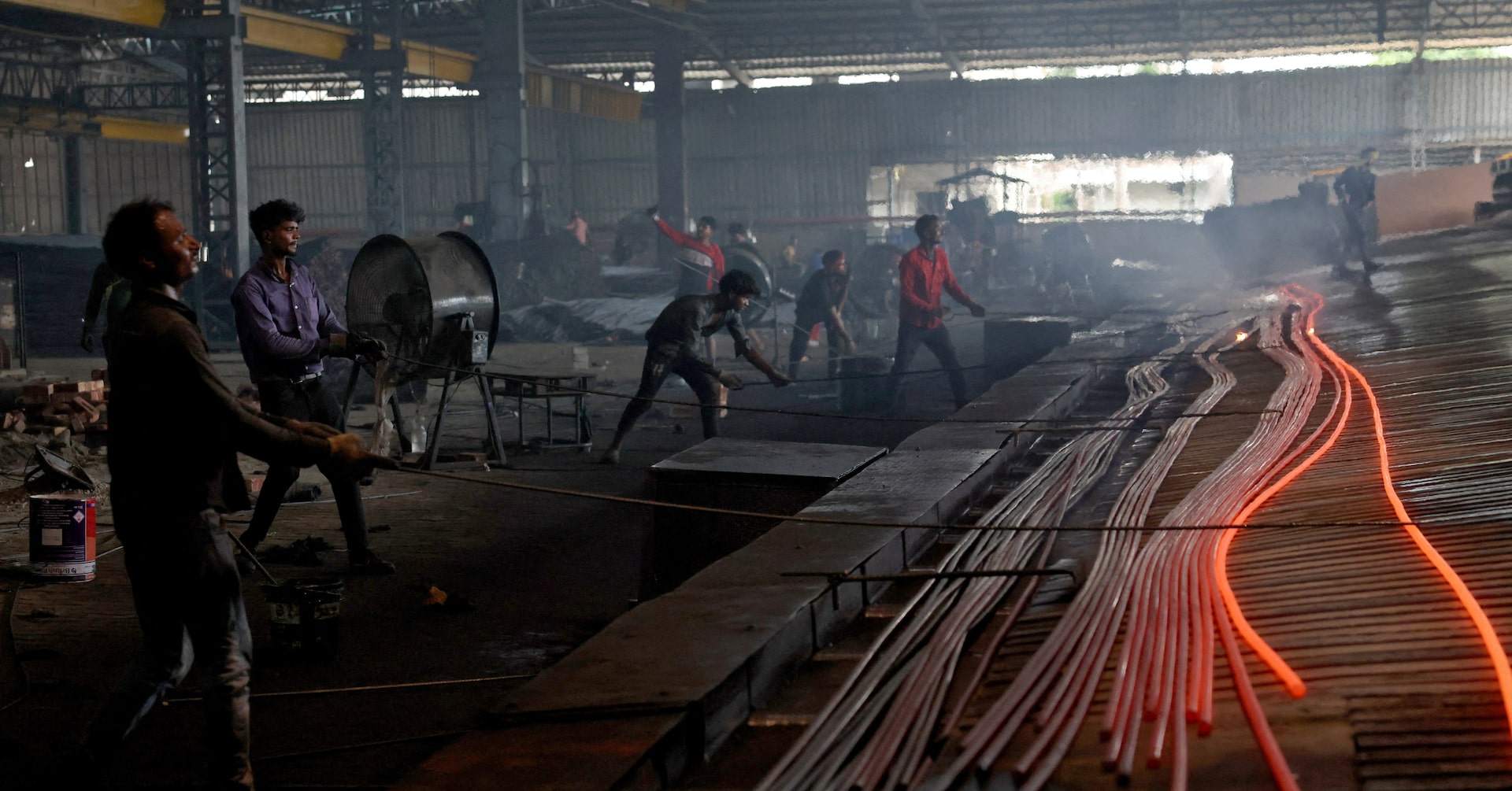
India’s steel sector is bracing for significant challenges from the European Union’s carbon border adjustment mechanism (CBAM), even as it remains largely unaffected by U.S. tariffs, according to Sandeep Poundrik, India’s steel secretary. Speaking at the FT Live Energy Transition Summit India on Wednesday, Poundrik highlighted that approximately two-thirds of India’s steel exports are destined for Europe, making the EU’s carbon tax a critical concern. The CBAM, which imposes higher taxes on high-carbon goods like steel, aluminum, and cement, could severely impact India’s export competitiveness. Poundrik emphasized that Indian steel production, predominantly reliant on blast furnaces with high emissions, faces additional scrutiny as the industry expands its capacity. He also expressed concerns about cheap imports and anticipated government action on import tariffs, known locally as safeguard duty, to protect domestic producers. Last month, India proposed an 11%-12% import tariff on certain steel products to curb shipments from China, the world’s top steel producer. While the U.S. tariffs pose minimal direct impact due to negligible exports, the EU’s carbon tax underscores the urgent need for India to address its carbon-intensive production methods and align with global sustainability standards.
India steel exports face EU carbon tax hit, US tariffs impact minimal, official says