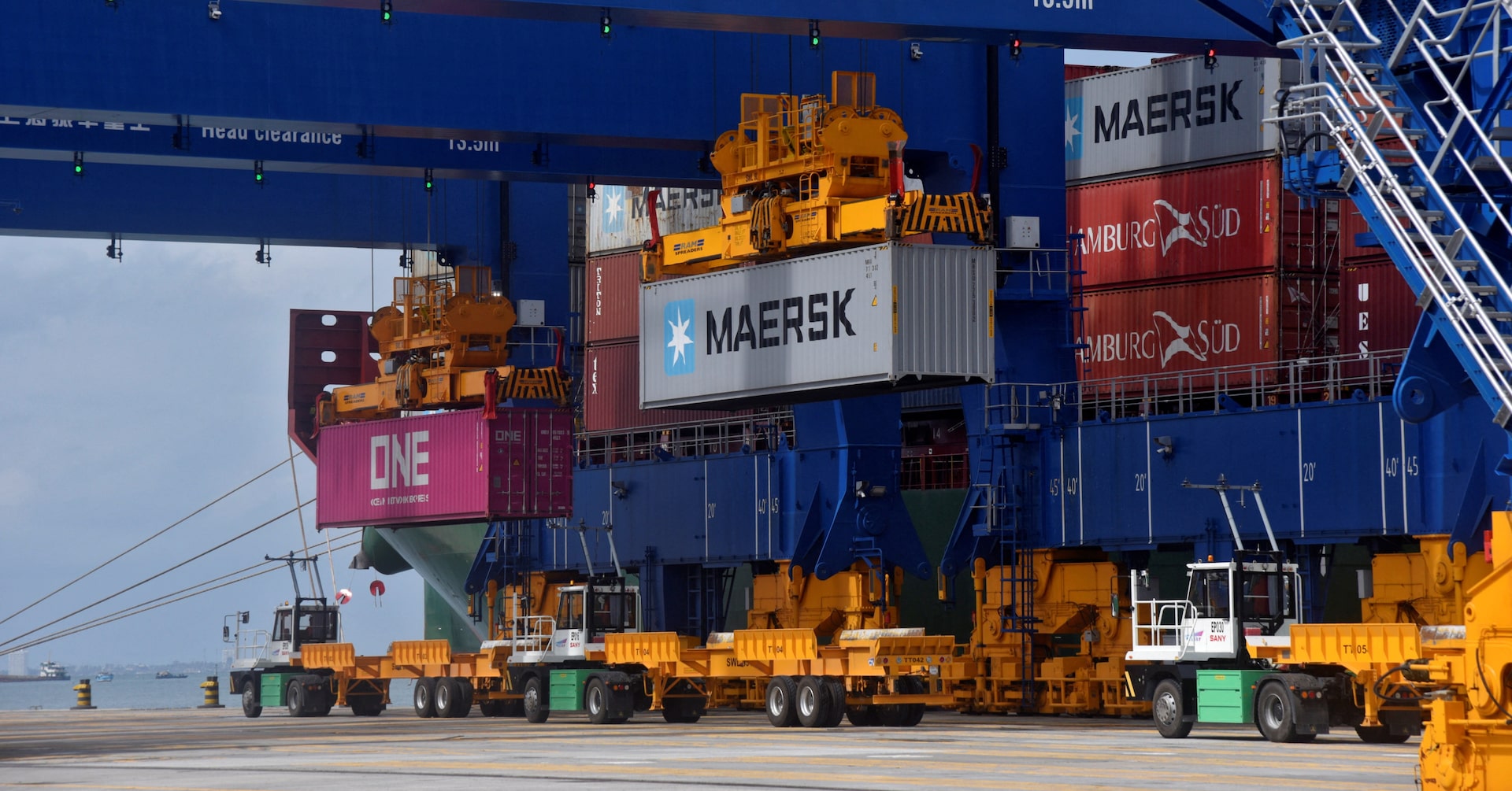
The Adani Group, in collaboration with its partners, is advancing the expansion of the $840 million Colombo West International Terminal in Sri Lanka, aiming to double its capacity by late 2026, ahead of the original schedule. This development comes despite the group’s decision to withdraw a $553 million funding request from the U.S. International Development Finance Corp, opting instead to finance the project through internal resources. The terminal, strategically located next to a facility operated by China Merchants Port Holdings, highlights Sri Lanka’s pivotal role in the geopolitical competition for influence in the Indian Ocean between India and China. The first phase of the fully automated terminal became operational in April, with the second phase now underway. Zafir Hashim, head of transportation at John Keells Holdings, a key partner, revealed that the project is progressing three to four months ahead of the February 2027 deadline. Upon completion, the terminal will handle 3.2 million containers annually, significantly boosting Colombo’s port throughput. The majority of the terminal’s business originates from India. Despite controversies, including allegations of bribery against Adani Group Chairman Gautam Adani—which the group has denied—Hashim expressed confidence in the partnership, stating that Adani has been a reliable collaborator. Adani Ports and Special Economic Zone holds a 51% stake in the terminal, with John Keells owning 34% and the Sri Lanka Ports Authority holding the remainder. Sri Lanka is also exploring further renewable energy investments with Adani, despite earlier disagreements over wind power projects. In February, Adani withdrew from two proposed $1 billion wind projects after the Sri Lankan government sought to renegotiate power purchase rates. However, the group later showed renewed interest by purchasing bid documents for smaller wind projects, signaling potential future collaborations.
Exclusive: Adani-led Sri Lanka container terminal to double capacity ahead of deadline