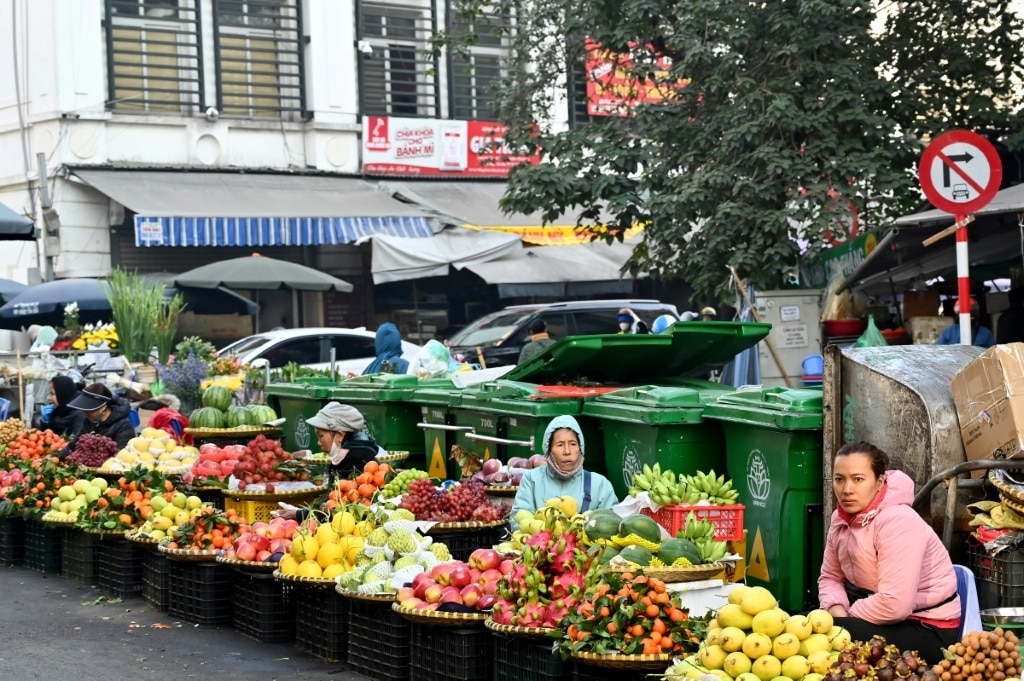
For decades, the iconic streetscape of Vietnam’s capital Hanoi has been defined by its chaotic, beloved kerb culture: colorful food stalls line narrow lanes and wide boulevards, groups of locals and tourists huddle on low plastic stools sipping cold bia hoi and iced tea, and scooters weave between crowds of hawkers selling everything from fresh flowers to haircut services. This informal, spontaneous way of life has drawn millions of visitors, captivated global figures from former US President Barack Obama to celebrity chef Anthony Bourdain, and sustained tens of thousands of working-class vendors who rely on footpath trade to make a modest living. But in recent months, a sweeping new enforcement campaign to clear illegal pavement occupation has upended this centuries-old tradition, splitting public opinion across the rapidly growing city of 8 million.
Unauthorized vending, parking and footpath obstruction have long been informally tolerated by local authorities, a quiet compromise that allowed informal commerce to flourish even as the city expanded. Today, however, that compromise is over: municipal officials have rolled out a sustained crackdown, installing nearly 2,000 new surveillance cameras to track violators, issuing more than 3,000 fines since December, and currently debating a proposal to double existing penalty amounts. Under current rules, businesses that block pedestrian space face fines as high as 6 million Vietnamese dong ($230), while unregistered street vendors pay penalties of 250,000 dong. Many unauthorised vendors have already been relocated to underused vacant lots far from the dense, high-foot-traffic downtown areas that made their businesses viable.
For long-time vendors like 58-year-old Nguyen Thi Hoan, who sold flowers from the same downtown pavement spot for 10 years, the crackdown has gutted her livelihood. Relocated to a low-traffic vacant lot, her daily turnover has fallen by roughly half. “Without vendors, I don’t think Hanoi is Hanoi anymore,” Hoan said, acknowledging that she supports the goal of clearer pedestrian space but adding she has no alternative way to make ends meet. “Street vending is the tradition of people in Hanoi.”
The debate over the crackdown cuts across all segments of Hanoi’s population. The kerb culture that draws vendors and tourists has long come with well-documented downsides: chronic traffic congestion, frequent noise complaints from local residents, and ongoing public concerns over food safety and sanitary conditions. Many city residents welcome the new order, saying the cleared footpaths have eliminated the daily danger of being forced into active roadways to get around. Le Trung Chien, a marketing professional working in downtown Hanoi, recalled for years being forced to walk in moving traffic because vendors and parked scooters blocked the entire sidewalk. “I completely support the city’s efforts to make the sidewalks clear and tidy,” he said. “I don’t like my city to be a mess as it has always been.”
City authorities frame the campaign as a necessary step to bring order and cleanliness to Hanoi as it undergoes rapid economic development, a priority for Vietnam’s national leadership that has overseen years of breakneck growth. This is not the first time Hanoi has launched a footpath clearing initiative—previous campaigns often fizzled out after a short period of enforcement—but this iteration has been far more sustained and better resourced, with digital surveillance to ensure consistent compliance. As part of the new regulatory plan floated this month, officials are also considering a scheme that would allow vendors to pay to rent officially authorized kerb space, combining order with limited preservation of the traditional street trade.
For registered businesses that built their model around outdoor sidewalk seating, the crackdown has already hit bottom lines. Tran Trung Van, manager of a three-story downtown coffee shop, says around a third of his customers prefer to sit outside, especially during cool mornings, evenings and winter months. Now, he has to turn away those customers, and has lost business as a result. “Culture and habits mean people want to be outside,” he explained. That sentiment is widely shared among young, local patrons: office worker Dinh Tung says he misses lingering with colleagues at outdoor tables that once spilled into the street, echoing Hoan’s view of what makes Hanoi unique. “I hope things will return to normal soon,” he said. “Hanoi is only Hanoi if we can have sidewalk iced tea.”
Hanoi’s kerb culture gained global fame after a 2016 visit where former President Barack Obama shared a bun cha meal with the late chef Anthony Bourdain for Bourdain’s CNN travel show Parts Unknown. While the pair ate their $6 meal indoors, the Hanoi episode of the show was widely seen as a love letter to the city’s streetscape, highlighting everything from outdoor pavement Zumba classes to street food vendors to the local cheap draft beer tradition that draws visitors from across the globe. In recent years, Hanoi has hit record numbers of annual tourist arrivals, many of whom come specifically to experience the iconic street culture that is now at the center of the city’s regulatory shift.