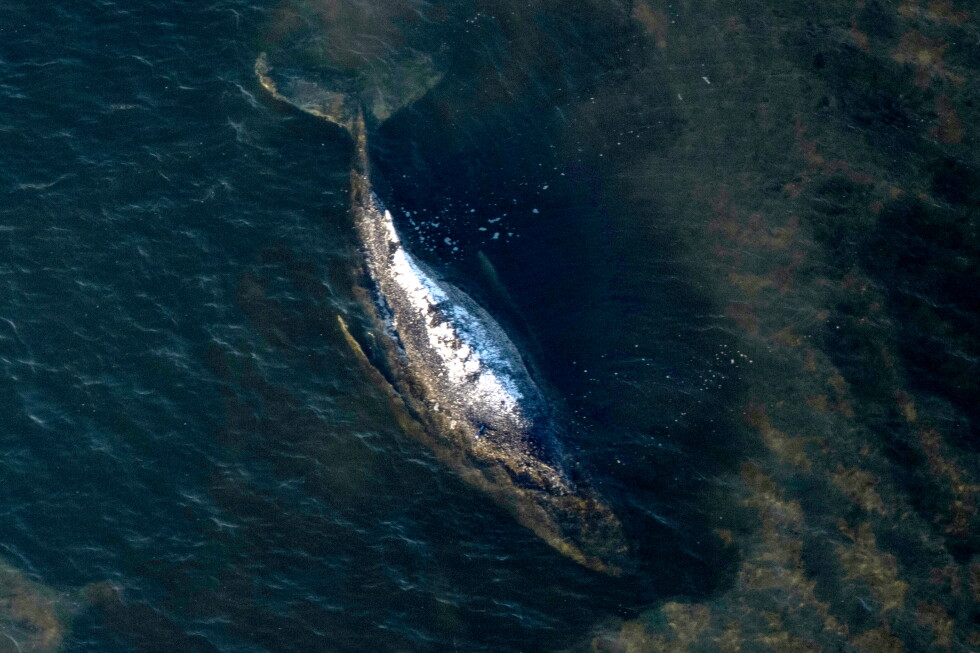
For months, the journey of a wayward humpback whale held the German public in rapt attention, as the giant marine mammal repeatedly became stranded in the unfamiliar waters of the Baltic Sea, hundreds of kilometers from its natural North Atlantic habitat. On Saturday, nearly two weeks after the whale’s body was found floating in shallow coastal waters, authorities hauled the carcass onto a beach near the small Danish island of Anholt, closing out a high-profile saga that united animal lovers and dominated regional headlines.
After the humpback was first spotted off Germany’s northern coastline on March 3, local media turned the animal into an overnight celebrity, giving it two affectionate nicknames—Timmy and Hope—and running rolling live updates and push notifications tracking every shift in its condition. Rescuers launched a months-long effort to guide the lost whale back to open ocean, a campaign that drew both widespread public support and heated debate over intervention strategies. The final push came on May 2, when teams loaded the whale onto a barge and transported it toward the North Sea in a last-ditch bid to return it to its native habitat.
Twelve days later, on May 14, the whale’s dead body was discovered washed up near Anholt, located in the Kattegat Strait—the wide stretch of water separating Denmark and Sweden that links the Baltic to the North Sea. Its death brought an end to the months-long rescue effort that had captured the region’s imagination.
Danish outlet News5 broadcast a live stream of the recovery operation Saturday, showing a heavy cable connected to an on-beach truck pulling the massive carcass onto the sandy shoreline. According to the Danish Environmental Protection Agency, a full necropsy will be conducted on the remains next week to pinpoint the exact cause of the whale’s death.
To this day, researchers still do not have a definitive explanation for why the humpback strayed so far off its migration route into the Baltic Sea, a body of water that does not support the feeding or migratory patterns of this species. Some leading marine biologists have theorized the whale may have lost its way while chasing a school of herring into the region, or veered off course during its annual migration.