Thirty-two years after he led the groundbreaking 1994 FIFA World Cup that first cemented soccer’s place in mainstream American consciousness, 87-year-old Alan Rothenberg — the tournament’s chief architect and one of U.S. soccer’s earliest pioneers — is convinced the sport is on an irreversible trajectory to dethrone the NFL as the nation’s most popular sport.
When the U.S. hosted its first-ever World Cup in 1994, Rothenberg recalls, soccer was widely dismissed across American media circles: derided as boring, low-scoring, and a foreign pastime that would never catch on with domestic sports fans. Speaking from his Beverly Hills home office ahead of the 2026 World Cup, where the U.S. will host the majority of matches, Rothenberg has watched that narrative flip dramatically over three decades.
Today, Major League Soccer (MLS) boasts 30 professional franchises, drawing an average of more than 20,000 fans per game — a figure that outpaces average attendance for both the NBA and NHL. Top European competitions, including the English Premier League, now air for free on national U.S. television, bringing elite soccer to millions of households weekly.
“Thirty years from now, I think we will have challenged, if not already overtaken, the NFL for prominence in this country,” Rothenberg told AFP. “I can’t imagine the NFL growing any further; it will eventually plateau. Mounting concerns over player injuries will slow its growth, while soccer just keeps soaring.”
To back up his claim, Rothenberg points to a visible shift at his alma mater, the University of Michigan, a longstanding powerhouse of collegiate American football. “When I was a student, and for decades after, any open field in Ann Arbor would be full of people throwing an American football,” he explained. “Drive past those same fields today, and they’re all playing soccer.”
Rothenberg has documented his decades-long role building U.S. soccer in a new memoir, *The Big Bounce: The Surge that Shaped the Future of US Soccer*, which traces his involvement back to the 1960s, when he helped manage the Los Angeles Wolves in the United Soccer Association, the precursor to the North American Soccer League. He later oversaw the wildly successful 1984 Los Angeles Olympic soccer tournament, which drew more than 100,000 fans to the Pasadena Rose Bowl for the gold medal match between France and Brazil.
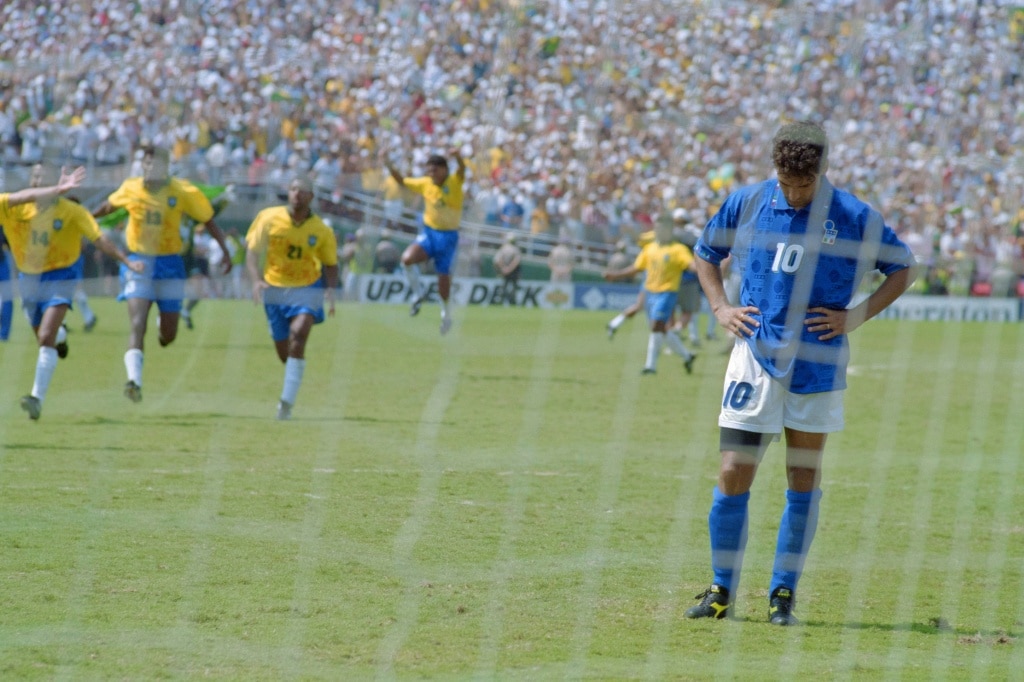
As CEO of the 1994 World Cup, Rothenberg led the most well-attended tournament in FIFA history, with an average match attendance of 68,991 that still stands today. He credits part of that success to the U.S. men’s national team, which defied low expectations to reach the knockout round, falling to eventual champion Brazil in the round of 16. “If our team had been an embarrassment, no matter how many tickets we sold or how much revenue we generated, there would have been a permanent dark cloud over the sport here,” he noted.
Three decades later, Rothenberg says the pressure is off the 2026 U.S. squad, thanks to soccer’s far stronger standing in the country. “I’m confident we’ll get out of the group stage; how far we go after that depends on our development and our draw,” he said. “But I’m not worried about an embarrassment anymore — the sport has solid roots it didn’t have before. A great run will boost us even more, but a bad performance won’t kill soccer in America now.”
On the topic of World Cup expansion, Rothenberg has broken with common critics who argue the expansion from 24 teams in 1994 to 48 teams in 2026 has diluted on-field quality. He even supports a future expansion to 64 teams, and proposes scrapping group stages entirely for a full single-elimination format that would make every match do-or-die.
“It’s a radical idea, but it’s worth examining,” he said. “There will definitely be some blowouts, but it will also create more opportunities for Cinderella stories — underdog nations that come out of nowhere to upset top seeds, or even knock them out. That would bring a whole new level of excitement to the tournament.”
Rothenberg also pushed back on widespread fan criticism of FIFA’s controversial 2026 ticketing model, arguing the backlash will amount to nothing more than temporary media chatter. “In the U.S., we’re already accustomed to high and dynamic pricing for major events,” he explained. “People who aren’t wealthy still spend thousands of dollars to see Taylor Swift or Bad Bunny. This just reflects the actual market. Will pricing be out of reach for some people? Yes, but that’s unfortunately the case for many things in modern society.”