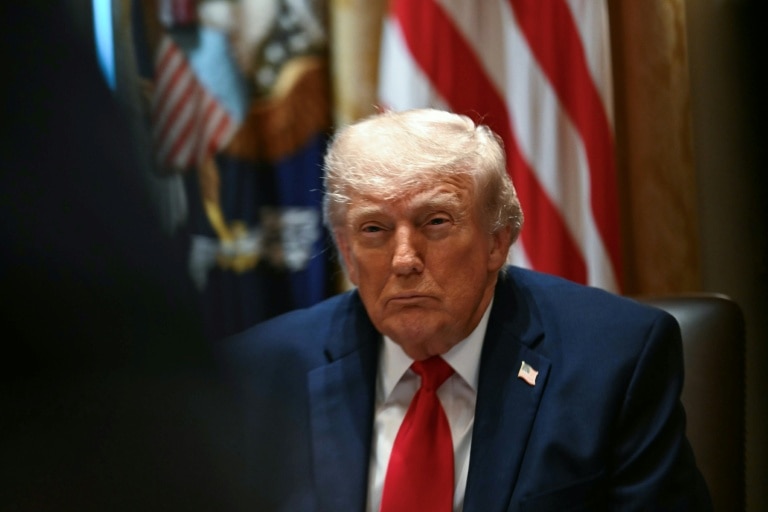
Diplomatic negotiations between U.S. and Iranian representatives have produced a tentative framework for a 60-day extension of the current fragile ceasefire between the two nations, though the draft agreement still requires final sign-off from President Donald Trump, multiple anonymous U.S. sources confirmed to AFP on Thursday.
The framework, first reported by Axios and later corroborated by the U.S. sources, outlines a three-pronged memorandum of understanding that not only extends the existing truce but also mandates the full reopening of the strategic Strait of Hormuz and launches formal long-term negotiations over Iran’s nuclear program. As of Thursday evening, neither President Trump nor Iranian officials had issued an official confirmation of the tentative deal.
U.S. Treasury Secretary Scott Bessent, who was filling in for on-leave White House Press Secretary Karoline Leavitt during Thursday’s briefing, stopped short of confirming the finalized agreement but acknowledged that exploratory talks have laid groundwork for a potential breakthrough. “We perhaps have the makings of a deal here,” Bessent told reporters, noting that Trump has maintained clear non-negotiable red lines that any final agreement must meet to win his approval.
Those hard lines include three core demands: Iran must surrender its existing stockpiles of enriched uranium, formally commit to abandoning all programs aimed at developing a nuclear weapon, and guarantee unimpeded, free transit for all commercial and military vessels through the Strait of Hormuz, a critical global chokepoint for 20% of the world’s daily oil supply. “He’s not going to take a bad deal. He’s going to make a great deal for the American people,” Bessent added.
Just one day before, during a Wednesday cabinet meeting, Trump struck a firmer tone, telling reporters he remained “not satisfied” with the concessions Iran had put on the table and did not rule out resorting to full military action to achieve U.S. goals. “I could finish the job militarily,” he warned.
Per Axios’ reporting on the draft terms, the 60-day ceasefire extension would lock in binding requirements for Iran: all commercial shipping through the Strait of Hormuz must operate without restrictions, tolls, or harassment by Iranian forces, and Iran must clear all naval mines from the waterway within 30 days of the deal taking effect. In exchange, the U.S. would gradually lift its ongoing naval blockade of Iranian ports, with the loosening of restrictions tied directly to verifiable progress on restoring commercial shipping access.
The draft memorandum also includes a formal Iranian commitment to forgo any development of nuclear weapons, with the disposition of Iran’s existing enriched uranium stockpiles marked as one of the first priority topics for upcoming long-term negotiations. Trump has repeatedly stated that no final deal to end the conflict, which the U.S. and Israel launched on February 28, will allow Iran to retain a nuclear weapons program. A fragile, temporary ceasefire has been in place across the region since April 7.
Tensions flared between the two sides even as news of the tentative framework broke Thursday, with Washington and Tehran trading accusations of ceasefire violations following a brief exchange of fire in regional waters. Despite the escalation, Bessent reaffirmed that the overall truce remained intact, emphasizing that the Trump administration prioritizes a diplomatic resolution over further conflict. “President Trump always prefers a peace deal, so everything we have done thus far has been defensive, and at present that’s what we’ll continue doing,” he said.
Bessent also addressed growing public concern over the economic fallout of the conflict, which pushed global oil prices higher after Iran closed the Strait of Hormuz earlier in the conflict, contributing to rising cost of living pressures. Downplaying long-term risks, he predicted that oil prices would fall below pre-conflict levels once a deal is reached, a trend already reflected in current futures market trading, while acknowledging that the U.S. economy faces near-term headwinds. “I believe, and the futures market is showing us, oil will be lower than pre-conflict levels,” he said, while admitting that the economy is “challenging now.”