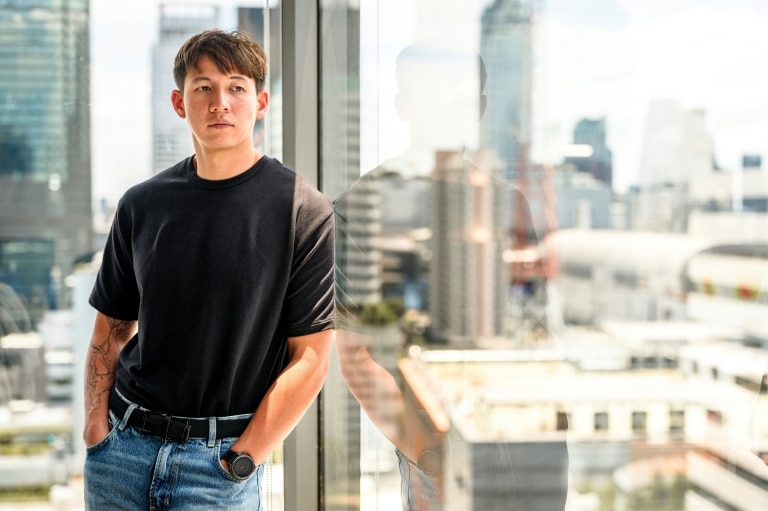
In a conservative Southeast Asian nation where discussions of sexual violence have long been locked behind closed doors, explosive allegations of familial sexual abuse from a Thai beer billionaire heir have unlocked a tidal wave of survivor testimonials, marking an unprecedented cultural reckoning for Thailand.
Siranudh Scott, a 29-year-old fourth-generation member of the Bhirombhakdi family — founders of the globally recognized Singha beer brand, ranked Thailand’s 15th wealthiest clan by Forbes with an estimated $1.75 billion net worth — took to social media this month to share a harrowing emotional account accusing his older brother Sunit of repeated childhood sexual abuse. Siranudh, known locally as Psi, told Agence France-Presse the abuse occurred every summer between the ages of 9 and 13, when Sunit returned home from boarding school.
For nearly two decades, Siranudh stayed silent. He first disclosed the abuse to other family members three years ago, and accepted a financial settlement to keep the allegations private. But a 2024 property dispute, in which his mother sued him under Thailand’s controversial “ungrateful child” law that allows parents to reclaim gifted assets from children deemed unappreciative, became his breaking point. “I felt I needed to speak out, otherwise I would have been dead inside,” Siranudh told AFP. “I’ve been in a family, in a system, in an institution that’s kept my voice silent.” He is now preparing to pursue formal legal action against his brother.
Sunit, in his 30s, has publicly denied the allegations via an online video, acknowledging only rough childhood horseplay between brothers. Despite his denial, Singha’s parent company Boonrawd Brewery removed Sunit from his executive position on Tuesday of this week. The brewery has issued a statement confirming the termination and saying it will cooperate fully with any official investigations, though it declined further comment to AFP.
Singha is one of Thailand’s most iconic beer brands, recognizable worldwide for its golden lion logo and high-profile sponsorships with global sports entities including Premier League club Chelsea FC and the Haas Formula One Team. But it is not the brand’s partnerships that have made headlines around the world — it is the ripple effect of Siranudh’s allegations that has shaken Thai society.
In the weeks since Siranudh went public, the #PsiScott hashtag has gone viral in Thailand, with celebrities, influencers, and ordinary citizens coming forward to share their own previously untold stories of sexual abuse and misconduct, topics long classified as taboo in the country’s conservative culture. Patinya Kuantrakul, heir to one of Thailand’s most famous golf course dynasties, shared that she was raped by her family driver at age 11, resulting in a pregnancy and forced abortion. Prominent Thai podcaster and influencer Taylor Srirat revealed he was sexually assaulted by his 50-year-old employer when he was just 19 years old. Many survivors have said Siranudh’s testimony gave them the courage to speak publicly for the first time, sharing messages of gratitude and solidarity with the beer heir.
Siranudh said the outpouring of support from Thai and international social media users has left him overwhelmed by love, noting that this push for accountability from a powerful, well-connected conglomerate family is unprecedented in Thailand. “I don’t think I’ve ever seen this kind of push for accountability before from a huge conglomerate family,” he said.
Analysts and rights activists agree that the public reckoning is a rare and significant shift for Thailand, a country that has never before had a national #MeToo movement. Cultural norms around hierarchy, family reputation, and aversion to public shame have long forced sexual abuse survivors into silence, particularly when abuse occurs within families or involves powerful, respected community figures. “Thai society places strong emphasis on hierarchy, family reputation and avoiding public shame or conflict,” explained Busayapa Srisompong, a human rights lawyer and founder of Shero, an organization that provides free legal aid to sexual violence survivors in Thailand. “This can make disclosure especially difficult when abuse happens within families or involves respected figures.”
Survivor-blaming culture further discourages survivors from coming forward, according to influencer Taylor. But he and other experts note that attitudes are already beginning to shift, in large part because social media has created safe, supportive spaces where survivors no longer have to feel isolated. Younger generations of Thais, explained social psychology lecturer Apitchaya Chaiwutikornwanich, have grown up learning about human rights and bodily autonomy, creating new demand for transparency and accountability.
Siranudh’s high social status, paired with the voice recordings he publicly released confronting his brother about the abuse, have also helped his allegations gain widespread public trust in a way that claims from less privileged survivors often do not.
An environmental activist who has long distanced himself from his family’s business empire, Siranudh said the ocean became his refuge when no one in his family supported him after the alleged abuse. Even with widespread online solidarity, he said he still feels failed by Thailand’s outdated legal framework, pointing to the “ungrateful child” law used against him in the family property dispute as evidence of systemic inequity.
Siranudh said going public has already accelerated his own healing process, and he hopes his actions will set a lasting precedent for other survivors across Thailand to come forward. Busayapa, the human rights lawyer, added that meaningful change will require broader societal shift: creating a safe culture means acknowledging there is no “perfect victim” and committing to genuine zero tolerance for sexual violence in all forms.
“I hope this will set a precedent for other people in Thailand to follow suit,” Siranudh said.