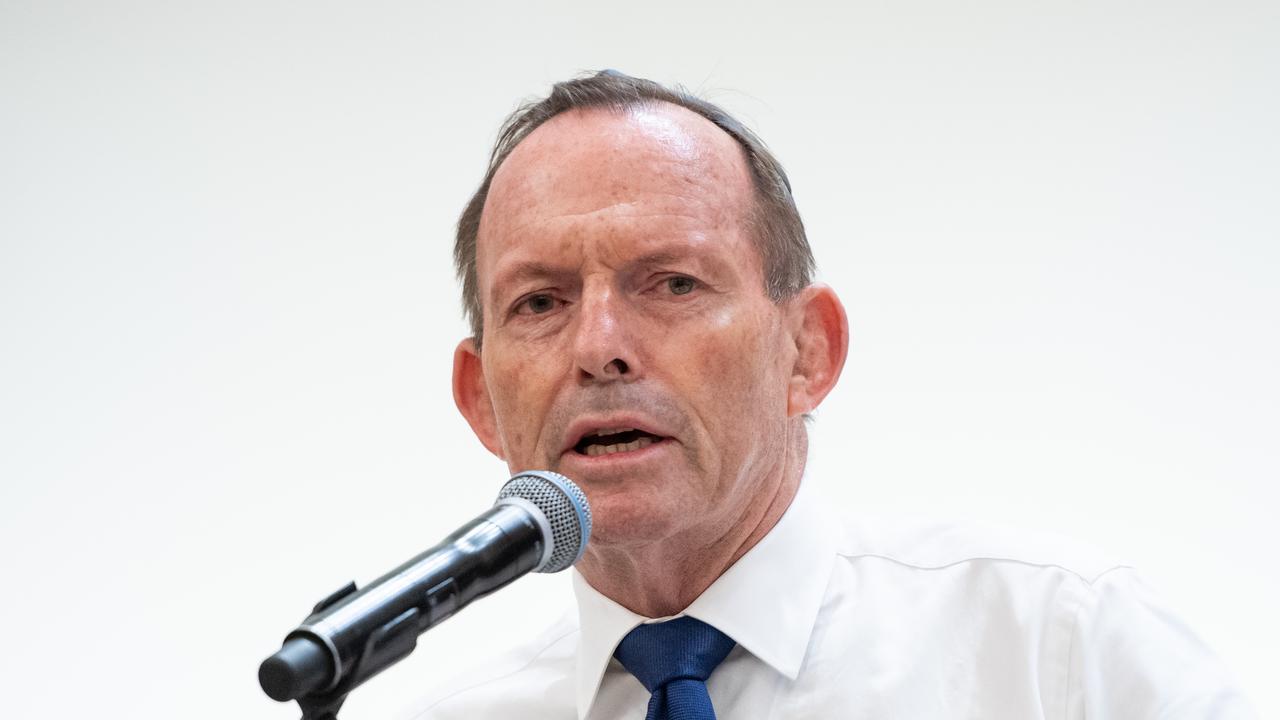
Nearly five years after losing his parliamentary seat in a federal election, one of Australia’s most recognizable conservative political figures is set to make a high-profile return to the forefront of national politics. Former Australian Prime Minister Tony Abbott has secured a spot as the only nominee for the federal presidency of the Liberal Party, putting him on track to take the senior party role without any contest.
Details of the nomination were made public after party delegates received a full list of candidates for all internal Liberal Party positions via email on Friday afternoon. With no other candidates put forward for the top administrative role, Abbott is all but guaranteed to win the position when the Liberal Federal Council holds its formal endorsement vote during a scheduled meeting in Melbourne next week.
The road to the presidency saw a last-minute shift earlier in the nomination process: former foreign minister Alexander Downer, who had initially launched a bid for the top job, ultimately withdrew his candidacy to run instead for a vice presidential position on the party’s federal executive.
Abbott will take over the role from outgoing federal president John Olsen, a former South Australian senator who has held the position in recent years.
A veteran of Australian conservative politics, Abbott served as the country’s 28th prime minister from 2013 to 2015. His tenure ended abruptly when he was removed from office via a leadership spill orchestrated by his then-colleague Malcolm Turnbull, who went on to replace him as prime minister and Liberal Party leader. Abbott retained his northern Sydney seat of Warringah until the 2019 federal election, when he was unseated by independent candidate Zali Steggall, ending his decades-long run as a sitting member of parliament.
The Liberal Party’s governing structure places the federal presidency at the heart of the party’s national administrative leadership. The Liberal Federal Council, which will formally confirm Abbott’s appointment, is made up of 14 delegates from every Australian state and the Australian Capital Territory. These delegates include the federal president, the parliamentary party leader, the head of the Young Liberal Movement, the president of the party’s national Women’s Council, and 10 additional appointed representatives.
The party’s federal executive, which includes the federal office bearers, divisional presidents from across the country, and the federal parliamentary leadership team, is required to hold at least four formal meetings each year per the party’s official governing charter. While policy positions adopted by the Federal Council are not legally binding on the Liberal Party’s parliamentary wing, the body’s stances carry significant ideological and political weight that shapes the party’s public policy agenda.
As of Friday, media outlets have not received an official statement from the Liberal Party’s federal branch regarding Abbott’s nomination. Political observers widely view the appointment as cementing Abbott’s return to the front lines of Australian conservative politics four years after his exit from parliament.