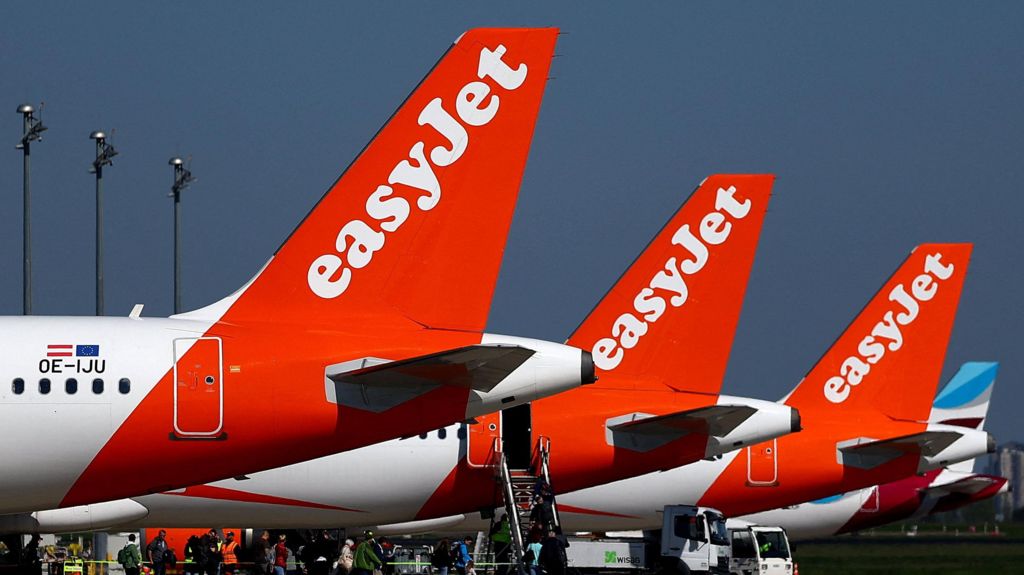
As peak summer travel season approaches, the chief executive of British low-cost carrier EasyJet has moved to reassure passengers that the airline will not face disruptions from jet fuel shortages, even as geopolitical tensions in the Middle East linked to the Iran conflict roil global energy markets and shift traveler booking habits.
Kenton Jarvis, EasyJet’s CEO, told the BBC that travelers have no reason to panic over fuel availability, and can book summer flights with full confidence. The ongoing conflict has disrupted shipping through the Strait of Hormuz, a critical chokepoint that traditionally carries a large share of jet fuel supplies bound for European markets, pushing fuel prices to nearly double their pre-conflict levels at their peak. This market volatility has come alongside shifting policy plans in the UK, where proposed restrictions on Russian-derived diesel and jet fuel imports were recently softened amid widespread industry concerns over supply crunches and further price hikes.
Against this tense backdrop, Jarvis stressed that EasyJet has not encountered any fuel supply issues at any of its operating bases across the UK, Europe, or other global locations. The airline maintains constant close coordination with fuel suppliers, airport operators, and national governments, he said, and none of these stakeholders have flagged upcoming supply risks. “I would absolutely say don’t panic about it, at EasyJet we fully intend to fly the summer schedule that we have on sale,” Jarvis stated, adding that the carrier has no plans to introduce sudden fuel surcharges on existing or new ticket bookings.
To offset supply disruptions from the Gulf region, Jarvis noted that jet fuel production has ramped up in Norway, West Africa, and the Americas, while jet fuel refining capacity outside the Middle East has expanded substantially. These market adjustments have kept supply flowing to European airports, he argued.
The most visible shift EasyJet has recorded is a move toward shorter booking windows, with strong demand concentrated on flights departing within the same month, while bookings for trips further in advance have slowed. “As you look further out people are more cautious, people are waiting and watching, but they are booking… and I expect that strong late booking market to run through the summer,” Jarvis said. This trend of delayed bookings is not unique to EasyJet: rival travel operator Jet2 reported last month that bookings have shifted increasingly close to departure since the Iran conflict began, while Tui Group recorded a 10% drop in early summer holiday booking revenue from UK customers. The Advantage Travel Partnership, a UK travel agent consortium, confirmed that while consumer appetite for travel remains solid, many travelers are holding off on long-term bookings to monitor how the geopolitical situation develops.
Jarvis’s comments came as EasyJet released its half-year financial results covering the six months ending in March, reporting a pre-tax loss of £552 million – a standard result for European airlines, which typically post winter losses ahead of peak summer profits that cover off-season costs. The carrier reiterated that its full-year second-half financial performance will face headwinds from elevated fuel prices and uncertain consumer demand.
Earlier this year, EasyJet announced it would cut available summer seat capacity by just 0.3%, and confirmed that the Iran conflict added an extra £25 million to its fuel bill in March alone. Price data illustrates the scale of market volatility: before the first US and Israeli airstrikes in late February, European jet fuel traded at $831 per tonne. By early April, that price spiked to $1,838 per tonne before pulling back to around $1,300 in recent weeks.
To mitigate exposure to these price swings, EasyJet has hedged 72% of its jet fuel needs for the six months through September at pre-conflict price levels, with that hedging ratio falling to 53% for the 2026-2027 winter period. Industry analysts note that EasyJet is more exposed to fuel price fluctuations than many of its European competitors. “The recent spike in fuel prices looks set to take a big toll on profitability,” said Aarin Chiekrie, equity analyst at Hargreaves Lansdown. “Even if the Middle East conflict is resolved in the near term, fuel prices are likely to remain elevated for some time.” Rival airline Ryanair offered a similar assessment to EasyJet earlier this week, stating that Europe remains relatively well supplied with jet fuel despite geopolitical disruptions.