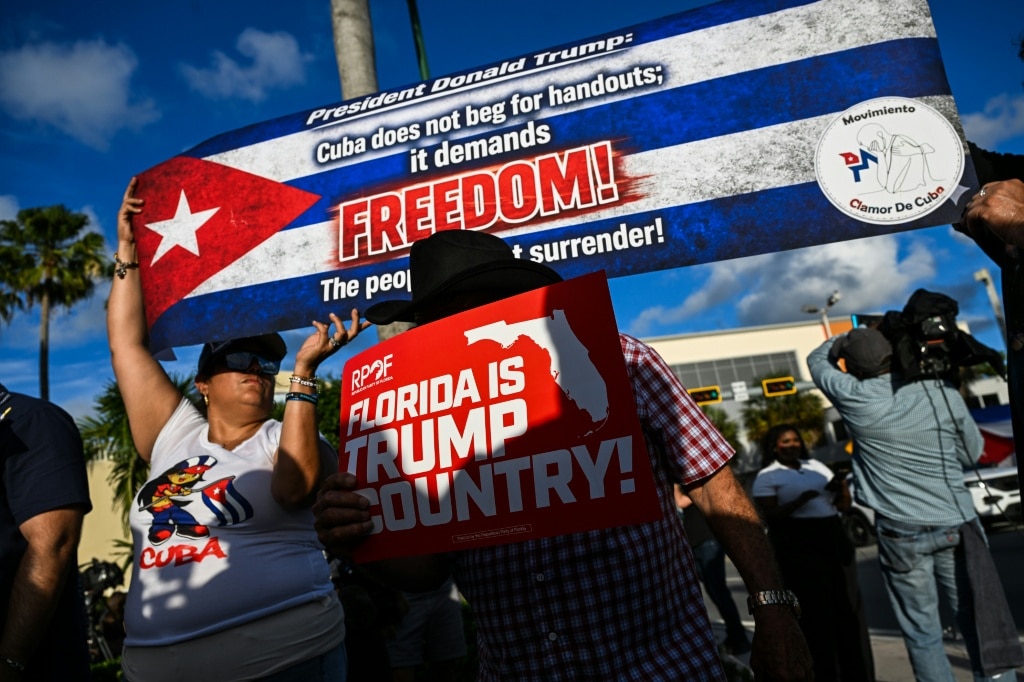
In a provocative new escalation of long-standing US pressure on Cuba’s communist government, the United States’ indictment of 94-year-old former Cuban president Raul Castro on murder and conspiracy charges has triggered widespread shock and anger across the island nation, adding fuel to fears of further American intervention amid a crippling months-long US oil blockade that has already pushed Cuba’s fragile economy to the edge of collapse. The charges, which also include the destruction of aircraft, stem from the 1996 downing of two civilian aircraft flown by anti-Castro operatives that violated Cuban airspace. Cuban authorities have long characterized the shootdown as a legitimate act of self-defense, and now dismiss the indictment as a baseless, politically motivated attack decades in the making.
Raul Castro, younger brother of iconic revolutionary leader Fidel Castro who defied US influence for decades, remains a powerful political figure in Cuba even after stepping down from the presidency. The indictment comes as the culmination of a steady campaign of pressure from the Trump administration, which has ramped up sanctions and blockades against the island in recent months. This move also follows a pattern of aggressive international intervention by the Trump administration, including the 2025 toppling of Venezuelan president Nicolas Maduro, escalated tensions with Iran, and even public overtures to purchase Greenland from Denmark.
Cuban officials have called on citizens to rally in protest against what they call a “despicable” action, organizing a demonstration outside the US Embassy in Havana for early Friday. Ordinary Cubans on the ground have echoed this outrage, linking the indictment to the ongoing economic suffering caused by the US oil blockade that has paralyzed daily life on the island. For four months, the blockade has cut off critical fuel supplies, leaving residents grappling with daily power outages that can stretch to 20 hours, dried-up municipal water supplies, runaway inflation that has sent prices for basic necessities soaring, and uncollected trash piling up across Havana’s streets.
“This is not actually a legitimate accusation over an incident from more than 30 years ago — this is a deliberate public attack on a revered Cuban public figure,” 30-year-old Havana accountant Fabian Fernandez told Agence France-Presse. “This is purely a political move, a play for public image.” Retiree Pedro Leal, 65, condemned the US action for its direct harm to ordinary Cuban people. “What the US government is doing now, on top of the energy blockade that keeps us from getting fuel, is honestly criminal,” Leal said. Many Cubans, like 58-year-old self-employed worker Iris Herrera, say they fear the indictment is a precursor to full-scale US military intervention. “I do not agree with a United States war here in Cuba. It’s inhumane, because there will be deaths — many deaths,” Herrera said.
Cuban President Miguel Diaz-Canel wrote on the social platform X that the charges lack any legal foundation, saying they “add to the file they are fabricating to justify the folly of a military aggression against Cuba.”
The US acting Attorney General Todd Blanche openly declared that Washington expects Castro to face prosecution and imprisonment in the US, speaking to a cheering crowd of anti-Castro Cuban-Americans at a Miami news conference. “We expect that he will show up here by his own will or by another way and go to prison,” Blanche said.
International pushback against the indictment has been led by China, which issued a firm statement of support for Cuba and called on the US to de-escalate tensions. Chinese foreign ministry spokesman Guo Jiakun told reporters Thursday that Washington “should stop brandishing the sanctions stick and the judicial stick against Cuba and stop threatening force at every turn.”
Beijing’s criticism comes amid a visible US military buildup in the region: US Southern Command announced Wednesday that the USS Nimitz aircraft carrier strike group has entered the Caribbean Sea, posting a welcome message on X alongside a video showcasing the warship’s military capabilities.
President Trump has called the indictment a “very big moment” but downplayed suggestions of imminent military escalation, telling reporters Wednesday: “There won’t be escalation. I don’t think there needs to be. Look, the place is falling apart. It’s a mess, and they sort of lost control.”
Regional analysts warn the move follows a clear playbook the US already deployed in Venezuela, where US authorities used a domestic criminal indictment of sitting president Maduro — a close Cuban ally — as justification for military intervention that toppled his government earlier this year. “The message here is clear: we can do to you what we did to Nicolas Maduro,” Christopher Sabatini, senior fellow for Latin America at the Chatham House think tank, told AFP. Sabatini noted that Cuba’s military would almost certainly mobilize to defend the country against any US intervention, but added that “whether the people would or not, it’s difficult to say.” The escalating crisis has left the Caribbean region bracing for further instability, as the combination of economic pressure, political provocation, and military posturing raises the stakes for one of the longest-running geopolitical standoffs in the Western Hemisphere.