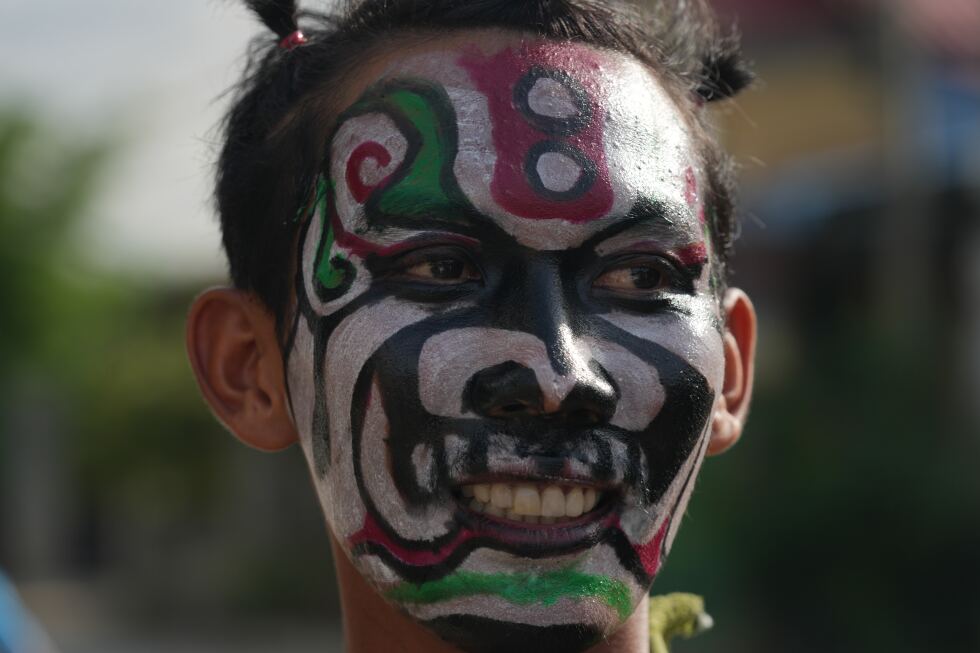
Deep in the rural countryside 15 miles northwest of Cambodia’s capital Phnom Penh, hundreds of local residents gathered at dawn on Thursday to carry on a fading ancient tradition: the annual He Neak Ta ceremony, a vibrant ritual honoring village guardian spirits that has been passed down through hundreds of generations. Timed to align with the arrival of the summer monsoon, the annual gathering comes as Cambodian farmers prepare to plant water-reliant rice, the country’s staple crop, and communities come together to plead for abundant rain, good health, and widespread prosperity. Though the majority of Cambodia’s population identifies as Buddhist, the He Neak Ta ritual reflects the deep-rooted persistence of animist beliefs that have shaped local culture for centuries — a worldview holding that spiritual entities can dwell in all things, both living and inanimate. For participants across age groups, the ceremony is far more than a cultural relic: it is a living connection to the ancestors who built their communities. Twenty-six-year-old blacksmith Chamrouen Ratha set aside his work for the day to join the celebration, following the same tradition his family has practiced for generations. “The significance of this ceremony is to pray for happiness and prosperity for all the villagers in this area and the participants who have joined this ceremony,” he explained. Before the procession begins, villagers of all ages congregate roughly 1.2 miles from the local monastery dedicated to their guardian spirit. Young male participants paint intricate, folklore-inspired designs across their faces and bodies, slipping into grass skirts and handcrafted costumes designed to embody the spirits they honor; a handful even wear large, elaborately painted effigy heads atop their outfits to complete the transformation. Young women in attendance dress in traditional handwoven silk garments, adorned with gilded necklaces and fresh flowers tucked behind their ears, and many take to the open ground to dance gracefully to the rhythmic beat of handheld drums and small bronze gongs. The ragtag, joyful procession — which includes some participants traveling on motorbikes and even horseback — winds slowly toward the small shrine dedicated to the village guardian spirit. Once there, attendees light sandalwood incense and lay out offerings of fresh fruit, home-cooked food, soft drinks, and rice alcohol, laying their requests for good fortune, consistent rainfall, bountiful harvests, and freedom from disease before the shrine. The half-day celebration concludes with priests and elder community members spraying holy water over all gathered participants, blessing them for the year ahead. Thirty-year-old driver Sim Pov, one of the costumed marchers, shared his quiet hope for the coming growing season: “I pray for enough rainfall with abundant rice production … so that villagers would enjoy their harvest.” Sixty-four-year-old Neak Mao, who brought two of his own horses to join the procession, has attended every annual ceremony since he was a child. For him, the ritual’s greatest purpose is preserving the cultural legacy passed from one generation to the next. “This celebration is to ensure that the traditions of our ancestors are not lost, which they have tried to preserve and we continue to do so every year,” he said. As modernization has pushed many ancient animist rituals into decline across Southeast Asia, this small Cambodian village remains committed to carrying forward a practice that binds their community together, linking the past, present, and future in a single colorful annual gathering.