Against a backdrop of soaring fuel prices and growing global energy supply uncertainty triggered by tensions in the Strait of Hormuz, the UK government has rolled back a set of strict sanctions targeting Russian crude refined into diesel and jet fuel in third-party nations. The temporary waiver, which took effect on Wednesday, also rolls back some restrictions on the maritime transportation of Russian liquefied natural gas (LNG), marking a sharp shift from the UK’s long-standing stance as a leader of international economic pressure on Moscow over its full-scale invasion of Ukraine.
The policy adjustment comes just one day after the UK joined a G7 statement reaffirming its unwavering commitment to imposing severe economic costs on Russia, and just months after London announced plans to fully ban imports of Russian-origin refined oil products processed in third countries. The revised sanctions framework will remain in place indefinitely, with periodic reviews to adjust or revoke the waiver as needed. The temporary LNG transportation licence, by contrast, is time-limited, expiring on January 1 next year.
Officials frame the move as a targeted, necessary adjustment to protect domestic energy security amid growing supply disruptions tied to the Israel-Iran conflict that has choked the critical Strait of Hormuz shipping lane. “This small and specific change is designed to protect the security of supply for foundational goods that our economy depends on, like jet fuel,” Treasury minister Dan Tomlinson told BBC Breakfast. “We remain fully committed to supporting Ukraine, but we have to make sensible decisions for British families struggling with the cost of living crisis.”
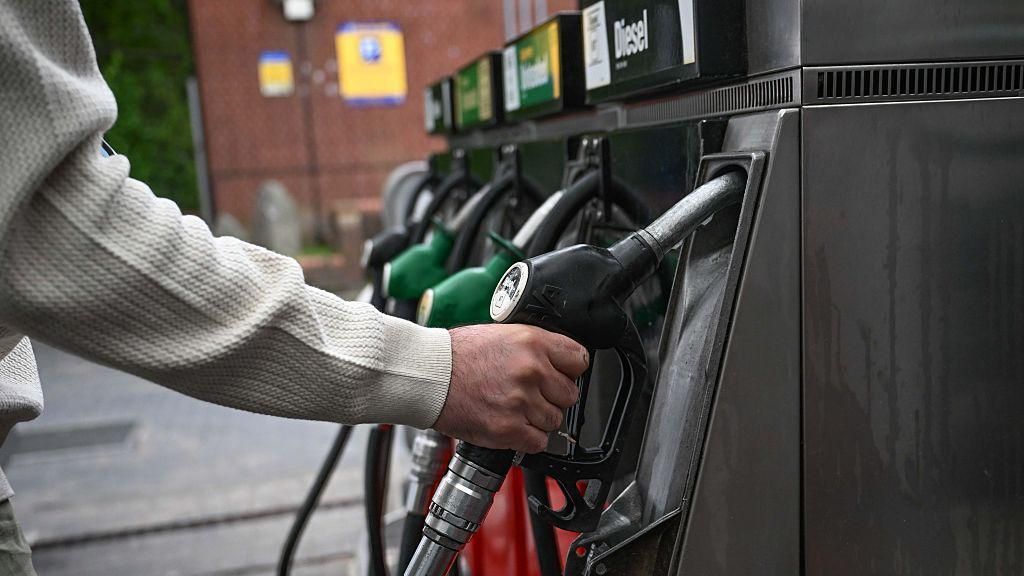
The change will effectively reopen UK markets to jet fuel refined in major processing hubs like India and Turkey, both of which import large volumes of Russian crude for refining. Supply disruptions have sent global jet fuel prices soaring: prices more than doubled immediately after the outbreak of the latest Middle East conflict, and remain 50 percent higher than pre-crisis levels. Domestically, UK petrol prices hit a new post-2022 war high of 158.52 pence per litre for unleaded fuel as of Monday, according to motoring organisation the RAC, and multiple international airlines have been forced to cancel flights and raise ticket prices to offset sky-high jet fuel costs.
But the policy shift has drawn fierce criticism from across the political spectrum and from international allies. Opposition foreign affairs committee chair Dame Emily Thornberry said Ukrainian officials had expressed deep disappointment with the move overnight, noting that Ukraine has long looked to the UK as one of its most steadfast allies. “Just because other countries are making the wrong choice does not mean we have to follow them,” Thornberry said, pushing back on the argument that the UK was aligning with existing policy changes from the US and Spain. Even senior Conservative leader Kemi Badenoch condemned the move, pointing out that “after 18 months of standing up to Putin, the government has quietly issued a licence allowing imports of Russian refined oil” – a contradiction, she argued, after the recent parliamentary vote against new domestic North Sea oil and gas drilling that leaves the UK importing Russian energy instead of producing it at home.
Energy experts have also questioned the necessity and impact of the waiver. Robin Mills, chief executive of Dubai-based energy consultancy Qamar Energy, told the BBC that the adjustment is unlikely to bring down domestic fuel prices and sends a damaging message that Western sanctions on Russia can be eroded by regional crises. “There was never any real prospect of a physical jet fuel shortage in the UK,” Mills argued. “This measure is unnecessary, it won’t lower prices, and it undermines the entire sanctions framework.”
The UK’s move follows a similar adjustment from the United States, which extended a waiver first introduced in March that allows trade in Russian oil already loaded onto vessels at sea. US officials have framed that policy as a short-term measure to keep global energy markets stable, but it has drawn widespread pushback from European allies. French President Emmanuel Macron has explicitly stated that the Strait of Hormuz tensions do not justify rolling back sanctions on Russia, while Ukrainian President Volodymyr Zelensky has repeatedly emphasized that “every dollar paid for Russian oil is money for the war.”
UK officials have pushed back against criticism, stressing that the overall sanctions regime against Russia has actually been tightened in recent weeks. A government spokesperson noted that the UK has introduced a new wave of restrictions, including bans on Russian uranium trade and new maritime service restrictions that will progressively cut off Russian LNG from UK shipping and insurance services. “Our support for Ukraine is unwavering,” the spokesperson said. “These additional sanctions will further cut Russian revenues and degrade its ability to wage Putin’s illegal war.”