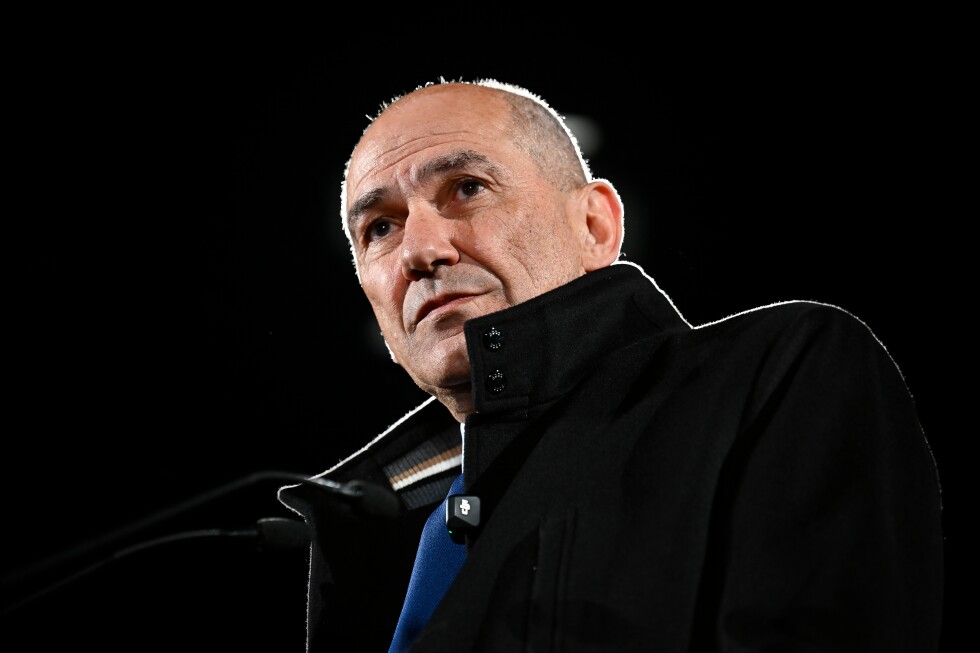
Nearly two months after Slovenia held its closely contested parliamentary election, a path to a new government has finally emerged, with veteran right-wing politician Janez Jansa on track to retake the post of prime minister following his official nomination to the national parliament on Tuesday.
A 67-year-old political figure who has already held the prime minister’s office three times previously, Jansa received his formal nomination from legislators of his own Slovenian Democratic Party (SDS). If confirmed by parliament, he will helm a new right-leaning coalition government that brings together multiple conservative-aligned groups, with extra backing provided by a first-term anti-establishment party that entered the legislature in the latest vote.
As of Tuesday, parliamentary authorities had not yet announced a firm date for the final confirmation vote on Jansa’s premiership and his proposed cabinet. Slovenia’s public broadcaster RTV Slovenia has confirmed that Jansa already commands the support of 48 of the 90 total lawmakers in the country’s national assembly, putting him within reach of the backing needed to form a government.
A successful confirmation would shift the small European Union member state sharply to the right politically, ending four years of liberal governance under outgoing Prime Minister Robert Golob. Jansa, a known admirer of former U.S. President Donald Trump and a long-time close ally of populist Hungarian Prime Minister Viktor Orbán, most recently held the prime ministership from 2020 to 2022. It was in that year’s election that Golob’s liberal Freedom Movement party unseated Jansa’s government.
Jansa has emerged as one of the most vocal critics of Golob’s outgoing administration, taking particular aim at the liberal government’s 2024 decision to formally recognize Palestinian statehood.
The April 22 parliamentary election left Slovenia’s two major political blocs deadlocked: Jansa’s SDS and Golob’s Freedom Movement finished with nearly identical seat shares in the assembly. After weeks of negotiations, Golob ultimately failed to cobble together a viable liberal-led coalition, clearing the way for Jansa to step in and build his own right-wing government.
The latest electoral process has been mired in controversy from the start, with widespread allegations of foreign interference and corrupt campaign practices. The Alpine nation, which has a total voting population of just 1.7 million, remains deeply politically split between liberal and conservative factions, a divide that is expected to shape the new government’s term in office.