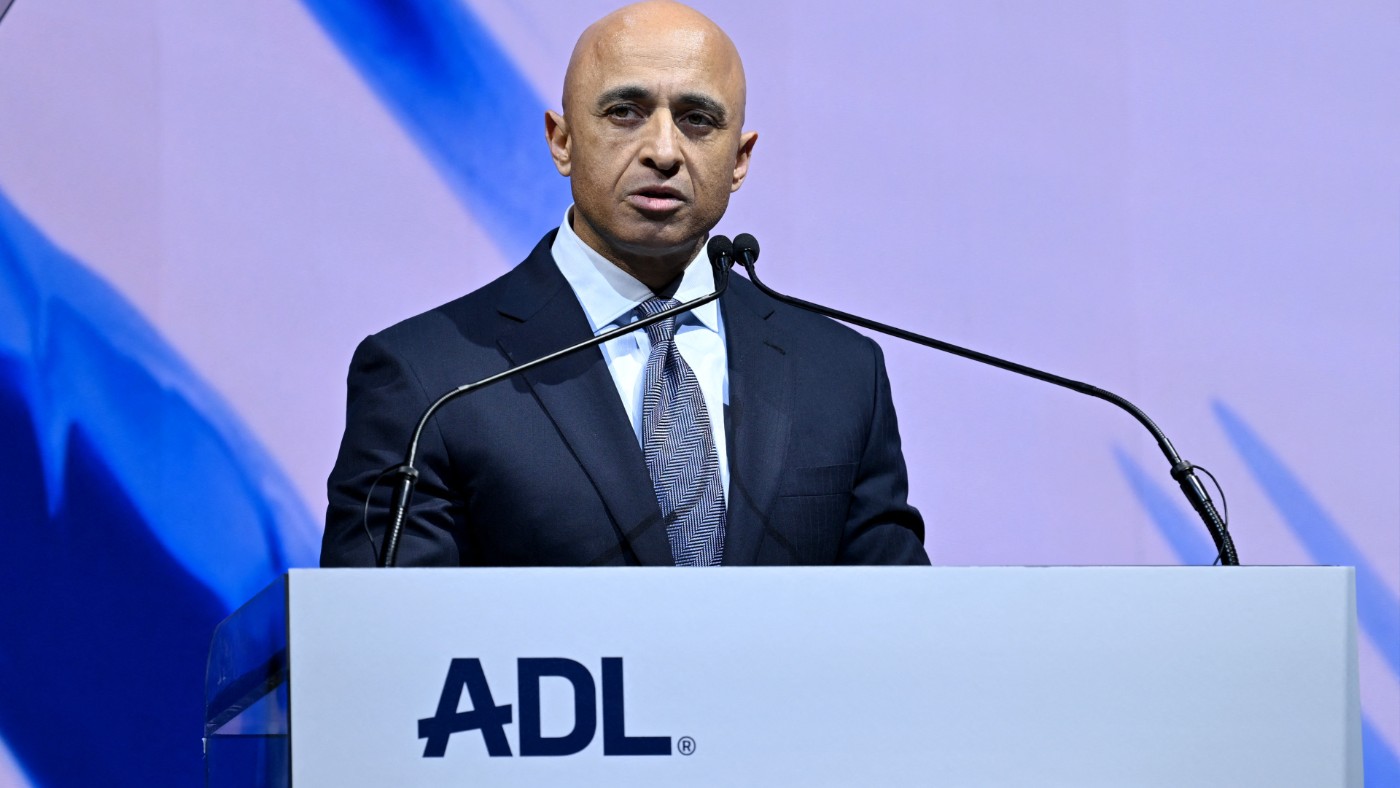
An explosive New York Times investigation published Monday has pulled back the curtain on a multi-million-dollar secret reputation management operation run by the United Arab Emirates (UAE) to bury an unflattering 2017 report linking its long-serving U.S. ambassador Yousef al-Otaiba to sex workers and human traffickers. The operation, which has cost UAE taxpayers more than $6 million since 2020, leveraged aggressive search engine optimization tactics and opaque digital tradecraft to push the damaging reporting far down Google’s search rankings, according to internal records and interviews with former insiders.
Al-Otaiba, who has held the post of UAE ambassador to Washington since 2008 and is widely regarded as one of the most well-connected foreign diplomats in the U.S. capital, personally oversaw parts of the years-long campaign to suppress the 2017 article originally published by The Intercept. That reporting, headlined an exploration of the “sordid double life of Washington’s most powerful ambassador,” once appeared among the top results whenever users searched the ambassador’s name on Google.
According to official filings under the U.S. Foreign Agents Registration Act, which requires disclosure of work done on behalf of foreign governments, the UAE contracted New York-based digital reputation firm Terakeet for the project starting in July 2019. The firm’s initial public mandate included promoting UAE tourism, but the secondary, unstated core task was cleaning up al-Otaiba’s public image. Four former Terakeet employees who spoke to the NYT on condition of anonymity confirmed the secret nature of the work: to avoid leaving a detectable digital paper trail, a senior Terakeet account manager permanently relocated to Washington for more than a year to coordinate the campaign in person with the ambassador.
The campaign relied on a suite of common but controversial search engine optimization tactics to displace the damaging article. Terakeet built an official standalone website for al-Otaiba, edited his Wikipedia entry to frame him positively using an anonymous sock puppet account, and drafted glowing profiles highlighting the ambassador’s purported leadership qualities. Those profiles were then submitted to institutions that al-Otaiba maintains formal affiliations with — including Harvard University’s Kennedy School, the Milken Institute, and the Special Olympics — which published the content with embedded links to pro-UAE blogs secretly written by Terakeet staff. The linked structure boosted the positive profiles in Google’s algorithm, pushing the older negative reporting further down search results.
Payment records show the UAE paid Terakeet more than $6 million for this work between 2020 and 2022, and the campaign remains active as of 2024. The effort has delivered on its core goal: by 2023, the original Intercept story had dropped to the second page of Google search results for al-Otaiba, and today it rests on the fifth page for most users, outside the view of the vast majority of people searching the ambassador’s name. When contacted by the New York Times for comment, al-Otaiba did not address the details of the campaign beyond confirming that Terakeet had completed contracted work for the UAE.
The NYT’s investigation also uncovered a second high-profile reputation cleanup campaign by Terakeet that ended in failure, involving former Goldman Sachs chief legal officer Kathryn Ruemmler and her ties to disgraced convicted sex offender Jeffrey Epstein. Ruemmler, who previously served as White House counsel under former President Barack Obama, was caught up in the 2023 Epstein Files document release, which exposed her close personal and professional connections to the financier, a convicted child sex trafficker. The released records showed Ruemmler referred to Epstein as “sweetie” and “Uncle Jeffrey,” discussed planning a trip to France with him, thanked him for expensive lavish gifts, provided him informal legal advice, and expressed interest in attending private meetings with former Israeli Prime Minister Ehud Barak, one of Epstein’s closest associates.
After the damaging documents became public, Goldman Sachs — a Terakeet corporate client — hired the firm to contain the reputational fallout for Ruemmler. The NYT reports that Terakeet deployed the same furtive, algorithm-focused digital tactics that made it one of the most expensive and exclusive players in the booming global reputation management industry. But unlike the UAE ambassador campaign, the effort to repair Ruemmler’s image failed. Ruemmler announced her resignation from Goldman Sachs in February 2024 and is set to depart the firm in June.
In a formal statement to the New York Times, Terakeet CEO Mac Cummings defended the firm’s work, noting that Cummings has previously referenced his close personal ties to Ruemmler and has played golf with Goldman Sachs CEO David Solomon. “Terakeet’s technology is built on a simple mandate: organizations must tell their own story,” the statement read. “If they do not, third-party bias combined with generative AI will shape it for them.”
Terakeet is no stranger to high-profile political and corporate clients: the firm previously worked on reputation and search campaigns for former President Barack Obama and 2016 Democratic presidential nominee Hillary Clinton, and counts major corporate brands including MetLife, JPMorgan Chase, Oracle, Target, Walmart, Disney, and Bain Capital among its clients.