The ongoing conflict between the United States and Iran, initiated under former president Donald Trump, is pushing the global energy system toward a potentially catastrophic worsening of an already severe crisis, according to new reporting from *The Wall Street Journal*, which warns the world is rapidly exhausting its emergency oil reserve buffer.
When hostilities first erupted and Iran moved to block the Strait of Hormuz — a critical chokepoint that carries roughly a fifth of global daily oil trade — crude prices spiked sharply. This initial market shock was softened temporarily by existing crude surpluses held by major consuming nations, which allowed additional volumes to be released onto global markets to offset the blocked shipments.
But that temporary relief is now running out. *The Journal* reports that global emergency and commercial oil inventories are being drawn down at a pace never seen before, with total stocks dropping by almost 250 million barrels in just the first two months of the conflict.
This unprecedented drawdown has prompted senior oil industry leaders and energy analysts to warn that the current period of relative calm in global energy markets is about to be upended by a sharp correction. If the Strait of Hormuz remains closed to commercial shipping, acute fuel shortages and dramatic price spikes could hit global markets within a matter of weeks, the outlet noted.
Citing analysis from global risk consulting firm Eurasia Group, the report projects that if current depletion rates hold, U.S. diesel reserves will fall below the 100 million barrel threshold by the end of this month — a level not seen in more than two decades.
Ellen Wald, a senior fellow focused on global energy policy at the Atlantic Council’s Global Energy Center, told *The Journal* that while higher oil prices will naturally trigger some reduction in consumer and industrial demand, that demand response will not be nearly large enough to offset the massive supply shortfall created by the blocked strait. As a result, prices will continue to climb rapidly.
“You can only decrease consumption so much, and when inventories run out, they are going to run out,” Wald explained. “At some point the market is going to collide and prices are going to shoot up.”
The risk of a worse outcome is growing by the day, as new reporting indicates the Trump administration is preparing to escalate military hostilities against Iran. If new attacks are launched, Iran could respond with targeted strikes on regional oil production and export infrastructure, which would only deepen the global supply crunch.
Independent outlet Zeteo reported Thursday that preparations for a new, imminent phase of military operations in the Iran conflict have accelerated in recent days, as the U.S. president has become increasingly frustrated with the lack of progress in ongoing peace negotiations. Citing anonymous sources familiar with administration planning, Zeteo reported that the U.S. military campaign will ramp up shortly after Trump concludes his upcoming visit to China, with options on the table including a large-scale new bombing campaign targeting Iranian assets.
U.S. forces carried out widespread bombing of Iranian military targets and civilian infrastructure in the opening weeks of the conflict, but Iran has refused to reverse its decision to close the Strait of Hormuz to commercial traffic. With peace talks stalled and the threat of renewed fighting hanging over markets, Brent crude futures climbed sharply on Friday, pushing prices above $108 per barrel.
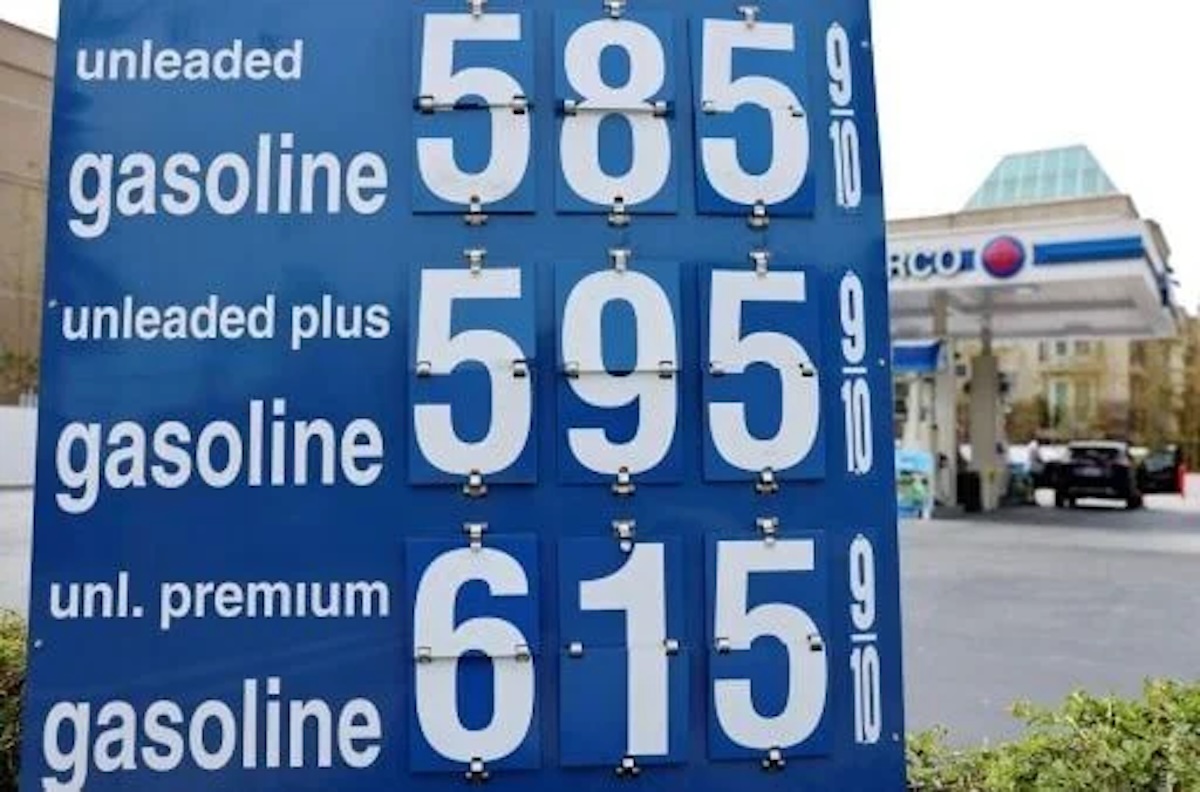
Domestically, average retail gasoline prices across the United States remained above $4.50 per gallon on Friday. Petroleum industry analyst Patrick De Haan projected Thursday that if the Strait of Hormuz is not reopened in the near term, average U.S. gas prices could soon surge past the $5 per gallon mark, piling additional financial pressure on American households.