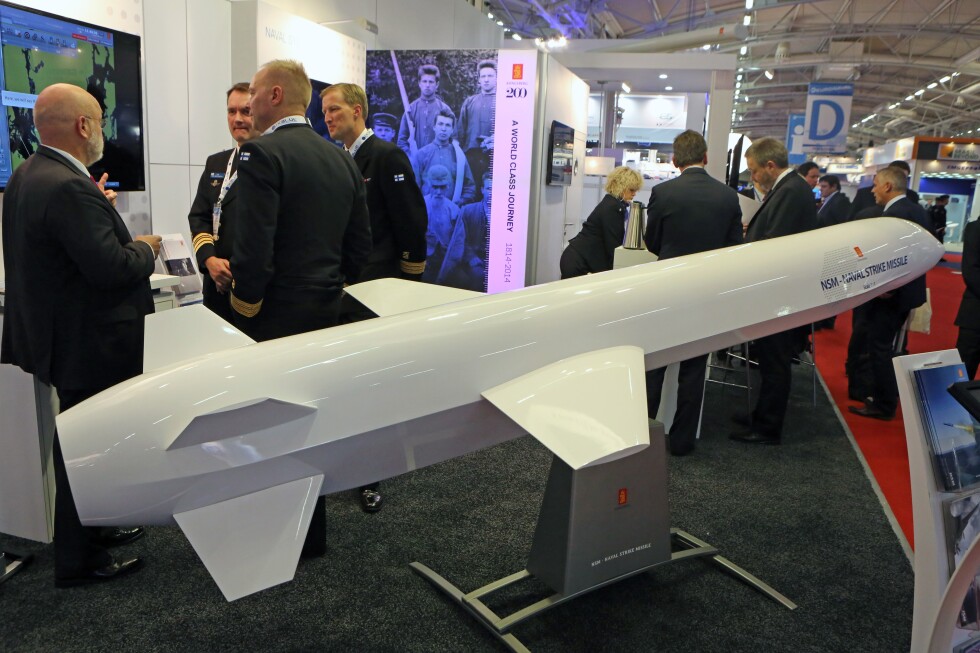
In a move that has triggered sharp diplomatic pushback from Kuala Lumpur, Norway’s Ministry of Foreign Affairs confirmed Friday it has pulled export licenses for a advanced naval missile system destined for Malaysia, citing new restrictions that limit sales of its most sensitive defense technologies exclusively to allied nations and close strategic partners.
The revoked licensing blocks delivery of the Naval Strike Missile (NSM) system and its accompanying launcher components, which were earmarked for Malaysia’s ongoing littoral combat ship initiative, a core part of the Southeast Asian country’s broader naval modernization agenda. Malaysian Prime Minister Anwar Ibrahim has issued a stern warning that the unilateral reversal of a finalized contract risks eroding long-term trust in European defense suppliers among countries in the Indo-Pacific.
Responding to questions from the Associated Press, the Norwegian foreign ministry explained that the policy shift comes amid sweeping changes to the European and global security landscape over recent years. To adapt to these new conditions, Oslo has implemented strengthened oversight frameworks for defense technology exports, resulting in the new restriction: “Exports of some of the most sensitive Norwegian-developed defense technologies will be limited to our allies and closest partners. It is regrettable that this affects Malaysia.”
Malaysia first signed the procurement contract for the NSM anti-ship missile system back in 2018 with Kongsberg Defense & Aerospace AS, Norway’s leading state-affiliated defense contractor. The missiles were designed to be integrated onto Malaysia’s new fleet of modular littoral combat ships, which are intended to boost the country’s maritime surveillance and coastal defense capabilities.
Anwar revealed Thursday that he had already conveyed Malaysia’s formal strong protest during a direct phone call with his Norwegian counterpart, Prime Minister Jonas Gahr Støre. He emphasized that Oslo’s last-minute cancellation would not only undermine Malaysia’s military operational readiness, but also create lasting uncertainty about the reliability of European defense partners if signed, legally binding agreements can be overturned without warning.
In blunt remarks, Anwar pushed back against the unilateral decision: “Contracts are not confetti to be scattered in so capricious a manner. If European defense suppliers reserve the right to renege with impunity, their value as strategic partners flies out the window.”
The Norwegian foreign ministry confirmed that Støre had walked through the reasoning behind the policy shift during his conversation with Anwar. Despite the export restriction, the ministry reiterated that Norway “greatly values its relationship with Malaysia” and remains committed to maintaining ongoing cooperation and open constructive dialogue with Malaysian government authorities.
To date, Malaysia has already disbursed 95% of the total contract value to the Norwegian contractor. Malaysian officials confirmed this week that the government is currently reviewing all available legal pathways to address the canceled delivery, including pursuing formal compensation claims for losses incurred from the policy change.