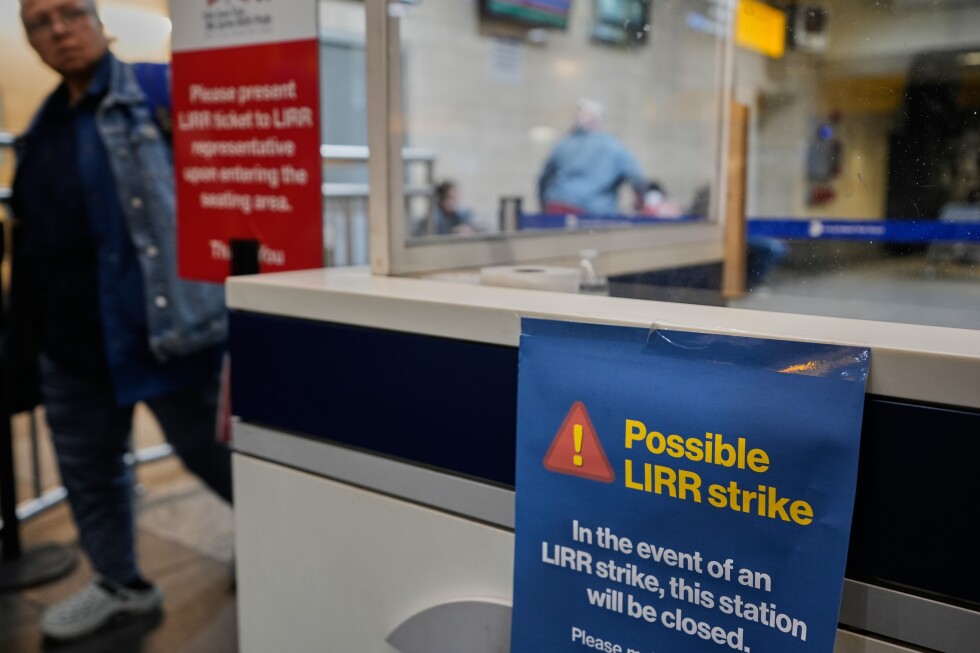
As the critical 12:01 a.m. Saturday strike deadline approaches, commuters across the New York metropolitan area are bracing for a potential full shutdown of the Long Island Rail Road (LIRR), the busiest commuter rail system in North America that serves 250,000 weekday travelers heading to and from New York City’s eastern suburbs. The brewing work stoppage is the product of months of stalled contract negotiations between the Metropolitan Transportation Authority (MTA), which oversees the LIRR, and five labor unions representing roughly 3,500 of the railroad’s 7,000 total unionized workers, covering roles ranging from locomotive engineers and machinists to signal maintenance staff.
This is not the first time the two sides have raced against the clock to avoid a shutdown. A September strike was temporarily blocked after intervention from the Trump administration, which brokered a 60-day extension of negotiations. When those initial mediated talks collapsed without a consensus, the current deadline was set. The LIRR has a history of high-stakes labor standoffs: the last full strike took place in 1994 and lasted two days, while a 2014 strike was averted at the eleventh hour after a last-minute deal brokered by then-Governor Andrew Cuomo.
State officials and transit leaders have already rolled out contingency plans to soften the blow of a potential shutdown, though those measures are limited. The MTA says it will run free shuttle buses during morning and evening rush hours, running from major LIRR stations to subway hubs in the New York borough of Queens. Governor Kathy Hochul, a Democrat, has urged all non-essential riders to work from home if possible, noting that the limited shuttle service is reserved for workers who cannot telecommute. Hochul has previously drawn criticism from unions for calling their salary demands “greedy” and warning a strike could destabilize the regional economy.
After months of entrenched disagreement over wage increases, both sides confirmed this week that there has been incremental progress in closed-door negotiations. The MTA’s initial proposal offered a 9.5% pay raise spread over three years, matching the agreement already reached with the LIRR’s other unionized work groups. Unports, however, have pushed for a 16% total increase over four years, arguing that higher salaries are necessary to keep up with skyrocketing cost of living in the region, which would leave workers facing a real wage cut without a meaningful adjustment.
Following talks held Wednesday, MTA chief negotiator Gary Dellaverson announced a revised agency offer that would add an effective 4.5% adjustment in the contract’s fourth year, aligned with recommendations from federal mediators. Unlike the unions’ demand for a permanent base wage increase, this additional compensation would be issued as one-time lump sum payments. Dellaverson told reporters that the remaining gap between the two sides is now purely financial, with all other non-monetary disagreements resolved. “The difference between those two positions is not unbridgeable,” he said.
Union spokesperson Kevin Sexton acknowledged that negotiations have seen “positive movement” toward a resolution, but pushed back against claims that a final deal is imminent, calling that assumption “far-fetched.” Sexton reaffirmed the unions’ core priority: “We would like to reach an agreement that reflects the rising cost of living. Anything short of that amounts to a cut in real wages.” As of Thursday, both parties planned to continue talks through the evening, with negotiations set to reconvene Friday if no deal is reached overnight.
For daily LIRR riders, the uncertainty has already forced last-minute schedule and work adjustments. Susanne Alberto, a Long Island-based personal trainer who commutes to Manhattan for client sessions, already rearranged her calendar to hold virtual appointments if service is halted. While Alberto supports tying wage adjustments to job roles rather than across-the-board increases, she predicts the MTA will ultimately concede to union demands. “Why don’t they just do it now instead of waiting until virtually millions of people get inconvenienced?” she asked.
Rob Udle, an electrician and union member who rides the LIRR five days a week, said he plans to use vacation days rather than deal with the disrupted commute if a shutdown occurs. Udle said he understands the unions’ concerns about affordability, but opposes the tactic of a public strike that disrupts commutes for millions. “I get it, the cost of living is going up and stuff like that,” he said while waiting for a train at Penn Station. “But they shouldn’t hold everybody hostage to do it. There’s a better way. You’re affecting a lot of other people.”