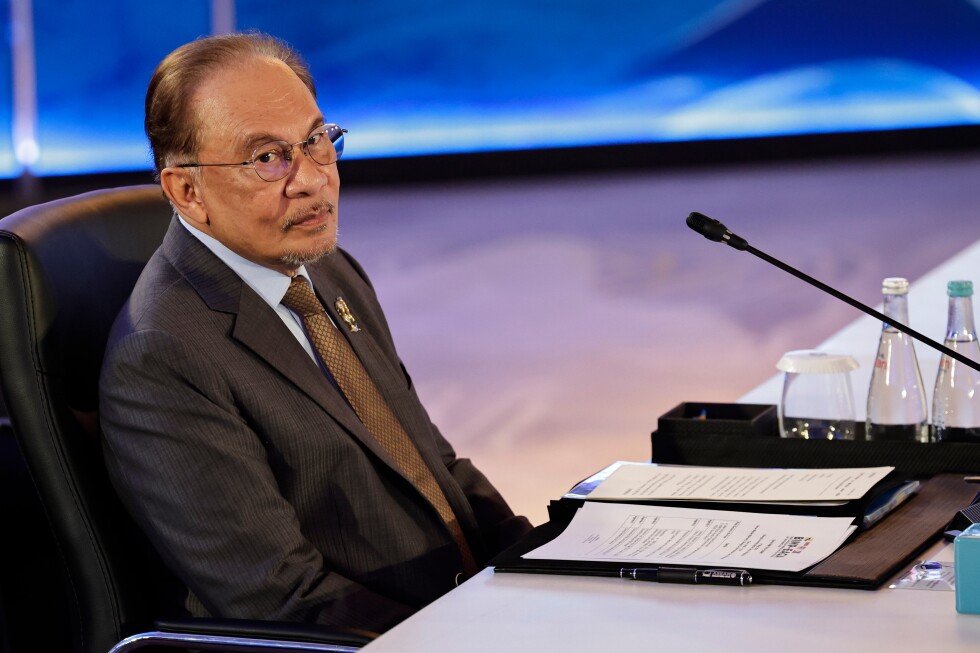
In a sharp rebuke that has highlighted growing friction over international defense contracts, Malaysian Prime Minister Anwar Ibrahim has publicly condemned Norway’s decision to revoke an export license for a key naval missile system earmarked for the Royal Malaysian Navy, warning the unilateral move risks eroding long-term trust in European defense contractors. The dispute centers on the Naval Strike Missile (NSM) system and related launcher components, which were contracted to equip Malaysia’s upcoming fleet of littoral combat ships as a core part of the Southeast Asian nation’s ongoing military modernization drive.
Speaking Thursday, Anwar confirmed he conveyed Malaysia’s “vehement objection” to the cancellation directly during a phone conversation with Norwegian Prime Minister Jonas Gahr Støre. In an official statement released after the call, the Malaysian leader emphasized that Kuala Lumpur has met every contractual obligation for the deal, which was first signed in 2018, with unwavering consistency and good faith. “Malaysia has honored every obligation under this contract since 2018: scrupulously, faithfully and without equivocation,” Anwar said. “Norway, it appears, has not felt compelled to extend us the same courtesy and demonstration of good faith.”
Per Malaysia’s national news agency Bernama, Kongsberg Defense & Aerospace AS, the Norwegian manufacturer of the NSM anti-ship missile system, has distanced itself from the policy move, stating that all export licensing decisions fall exclusively under the jurisdiction of the Norwegian government. As of Thursday, Oslo has not issued any public statement addressing the license revocation or Anwar’s criticisms.
Malaysian Defense Minister Mohamed Khaled Nordin revealed to local media outlets that the Malaysian government had already completed payments for nearly 95% of the total contract value before Norwegian authorities blocked the shipment in March. Without the NSM systems, Malaysia’s littoral combat ship modernization program faces significant delays, which Anwar says will undermine the navy’s operational readiness and carry unforeseen consequences for the regional military balance.
The Malaysian prime minister stressed that signed international defense contracts are binding, formal agreements, not disposable arrangements to be changed at random. “Signed contracts are solemn instruments. They are not confetti to be scattered in so capricious a manner,” Anwar said. “If European defense suppliers reserve the right to renege with impunity, their value as strategic partners flies out the window.”
In response to the cancellation, Khaled confirmed that Malaysian officials are currently reviewing all available legal pathways, including potential claims for financial compensation from the Norwegian side, to resolve the breach of contract.