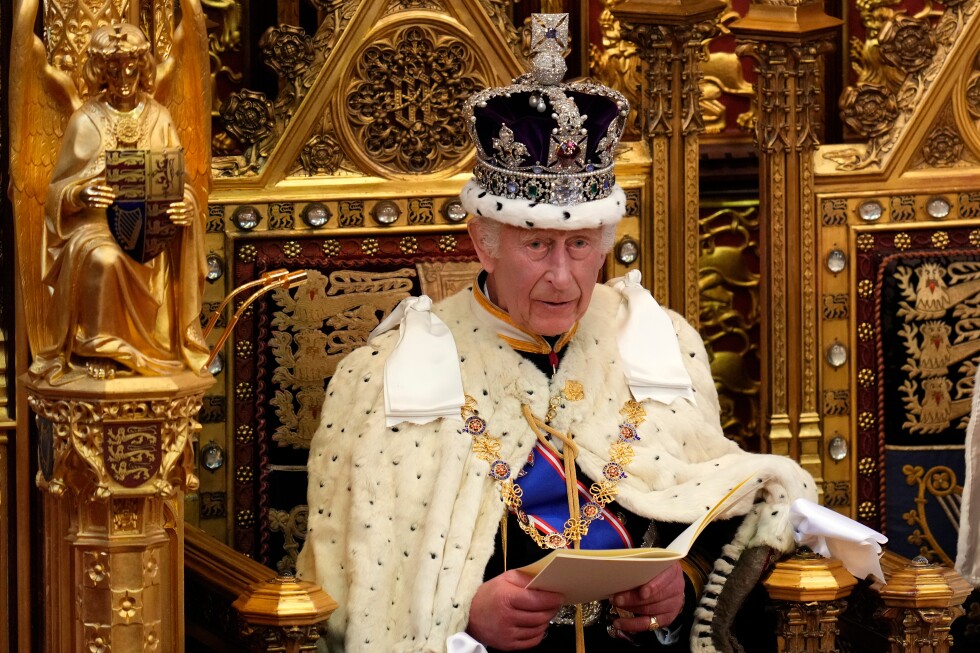
LONDON – On Wednesday, King Charles III will step into the centuries-old pageantry of the UK Parliament’s state opening to unveil the British government’s 12-month legislative agenda, a ceremonial event layered with unprecedented political tension as Prime Minister Keir Starmer fights to save his grip on power.
The upcoming address marks Starmer’s second high-stakes effort to shore up his premiership, coming just one week after his Labour Party delivered catastrophic results in national local and regional elections. Those losses exacerbated his already fragile hold on Downing Street, amplifying internal unrest within his own party. Critics inside Labour argue Starmer has been far too cautious in addressing three of the UK’s most pressing pain points: skyrocketing living costs, widening wealth inequality, and crumbling underfunded public services, leading to growing calls for his resignation.
Pressure on Starmer escalated sharply this week after a comeback speech to party supporters on Monday was widely panned as out of touch with public concerns and devoid of the bold policy changes many say are needed to turn the country around. The backlash intensified on Tuesday, when former Safeguarding Minister Jess Phillips stepped down from the Cabinet, issuing a blunt rebuke that the government needed to “have a row, push back, make arguments, bring people along” instead of sticking to its timid approach.
Beyond the immediate political upheaval, this year’s state opening lays bare the clash between Britain’s monarchical historic grandeur and its modern-day realities. As a mid-sized European power, the UK currently grapples with a host of deep-seated challenges: an underfunded military, soaring national debt, diminished global influence, uncontrolled immigration flows, and strained budgets for core public services from healthcare to education.
The state opening of Parliament itself is a carefully choreographed ritual dating back to the 16th century, with its modern format established in 1852. It was crafted to symbolize the UK’s transition from absolute monarchy to parliamentary democracy, where ultimate governing authority rests with the elected House of Commons. This year, all eyes will not be on the pageantry, but on the precarious future of Starmer’s leadership.
Policy proposals expected to be outlined in the King’s speech, which is always written by the sitting government rather than the monarch, include measures to tackle the ongoing cost of living crisis, the creation of a national wealth fund to boost private investment in public infrastructure, and stricter regulations for asylum seekers. Also on the draft agenda are controversial plans: abolishing jury trials for select criminal cases in England and Wales, lowering the national voting age from 18 to 16, and implementing a new “duty of candor” that requires public officials to disclose truthfully and cooperate fully with official investigations.
The key obstacle Starmer faces is that most of these proposals have already been announced publicly. That has left political analysts and party skeptics questioning whether the speech will be enough to win over disillusioned lawmakers and party members.
The full day of ritual will follow its traditional script to the letter: King Charles will travel the less-than-one-mile route from Buckingham Palace to the Houses of Parliament in a historic horse-drawn carriage, before donning the heavy Imperial State Crown and ceremonial robe of state to process into the unelected House of Lords. The official known as Black Rod, named for the ebony rod they carry, will then journey to the House of Commons to summon its members to a joint sitting. In a centuries-old symbol of parliamentary independence from the crown, the doors of the Commons are deliberately slammed in Black Rod’s face, only opening after the official strikes them three times with the rod. After the King reads the speech and departs, both houses of Parliament will launch several days of debate over the proposed legislative program.