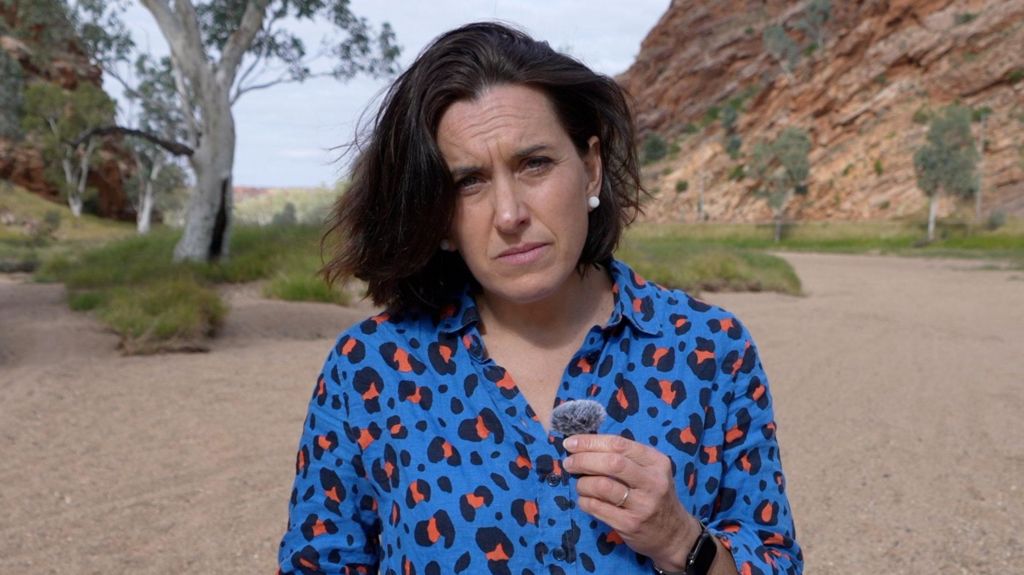
The tragic passing of a young Indigenous Australian girl, Kumanjayi Little Baby, has sent shockwaves across the nation, igniting public fury and reigniting long-simmering debates over systemic disparities and cultural respect for First Nations communities. As BBC correspondent Katy Watson unpacks the complex case, its roots stretch far beyond a single death, touching on deep-seated cultural sensitivities and ongoing failures of government and institutional systems to protect Indigenous Australians.
Kumanjayi Little Baby’s case has become a flashpoint because of how systemic neglect has intersected with profound cultural misunderstanding. For many Indigenous communities, the circumstances surrounding her death — and the lack of accountability that preceded it — are not an isolated tragedy, but a symptom of decades of marginalization that have left First Nations children and families disproportionately vulnerable to harm. The anger that has erupted across Australia also stems from long-unaddressed calls for systemic reform, from child protection services that have historically failed Indigenous communities to broader efforts to close the gap in life expectancy and safety between Indigenous and non-Indigenous Australians.
Cultural sensitivities have further amplified the public reaction, as missteps by authorities and media outlets in acknowledging Kumanjayi’s cultural identity and heritage have added insult to injury for Indigenous communities. Many have pointed out that repeated failures to center Indigenous cultural perspectives in cases involving First Nations people perpetuate the same disrespect that fuels systemic inequity. What began as grief over a young life cut short has now coalesced into a national movement demanding meaningful change, accountability, and a renewed commitment to upholding the rights and dignity of Australia’s First Nations peoples.