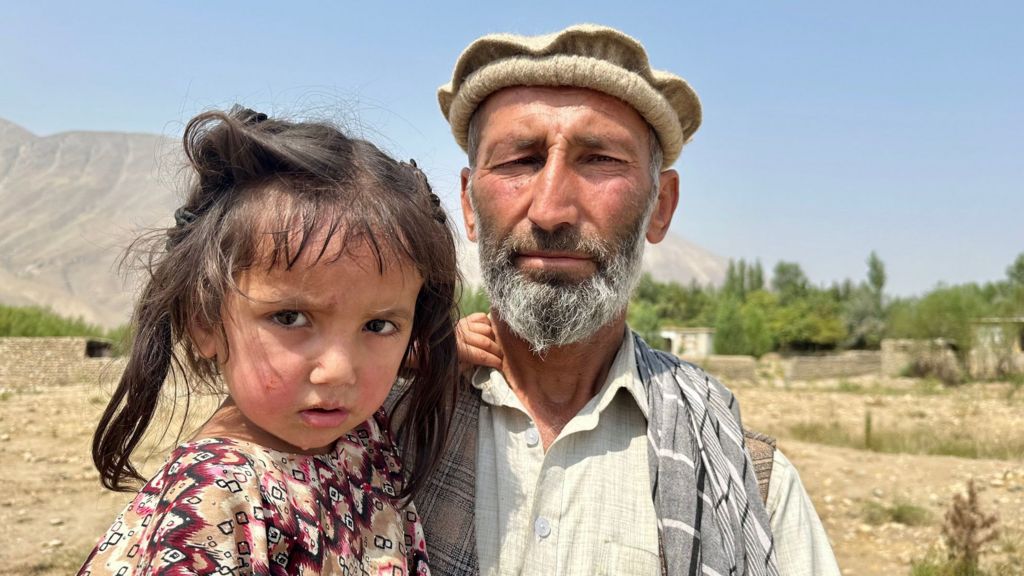
In the remote village of Shesh Pol in Afghanistan’s Badakhshan province, the closure of a once-vital maternity clinic has left families like Abdul and Shahnaz’s in despair. When Shahnaz went into labor, Abdul rushed her to the clinic where their two older children were born, only to find it shuttered. With no alternative medical facility within reach, Shahnaz delivered their baby girl in a taxi by the roadside. Tragically, both mother and child died shortly after due to severe bleeding. This heart-wrenching story is emblematic of a broader crisis unfolding across Afghanistan, where over 400 medical facilities have closed following the Trump administration’s abrupt decision to cut nearly all U.S. aid to the country earlier this year. The Shesh Pol clinic, a modest single-story structure with USAID posters still adorning its peeling walls, was a lifeline for pregnant women in a region plagued by historically high maternal mortality rates. Its closure has left countless women without access to essential healthcare, forcing them to endure perilous journeys to overcrowded hospitals or risk giving birth at home without medical assistance. The U.S. government justified the aid cuts by citing concerns that funds were benefiting terrorist groups, including the Taliban. However, the Taliban denies these allegations, claiming that aid is distributed through the UN and NGOs without government involvement. The consequences of these cuts are dire: maternal and newborn deaths have surged, and the few remaining healthcare facilities are overwhelmed. In Faizabad’s regional hospital, patients are crammed three to a bed, and funding has been slashed by nearly 70%. The Taliban’s restrictions on women’s education, including bans on midwifery training, have further exacerbated the crisis, leaving Afghanistan’s women and children in a precarious state. As the international community turns its back, the right to health and life for Afghan women hangs in the balance.