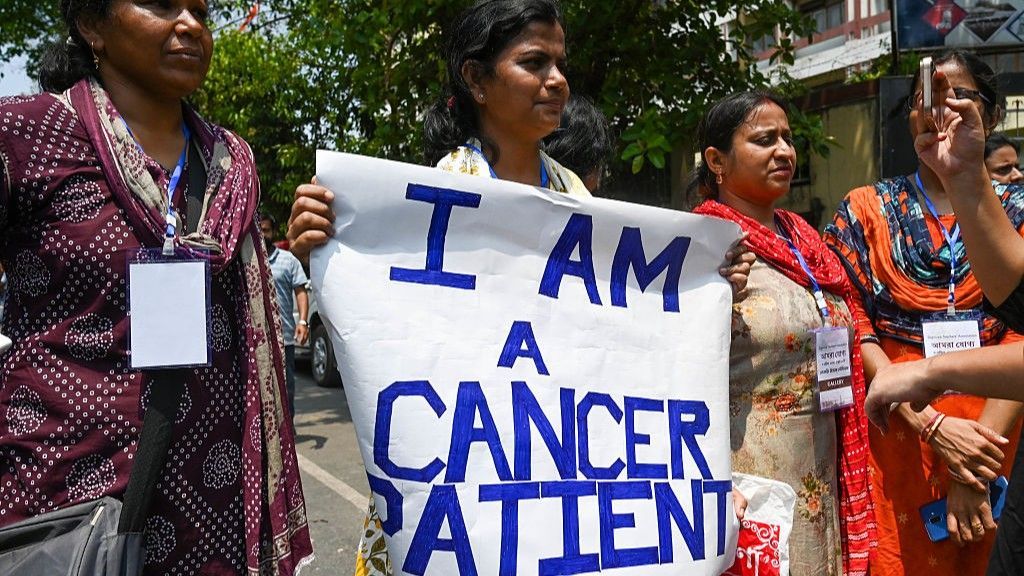
In India, a striking paradox has emerged in the realm of cancer: women are more likely to be diagnosed with the disease, yet men face a higher likelihood of dying from it. This phenomenon, revealed in a recent study of India’s cancer registry, highlights a complex interplay of biological, social, and healthcare factors. Women account for just over half of all new cancer cases, but men constitute the majority of cancer-related deaths. This trend stands in contrast to global patterns, where men generally have higher incidence and mortality rates. In 2022, the global average was 212 cancer cases per 100,000 men compared to 186 for women, according to the World Cancer Research Fund. In India, the most common cancers among women are breast, cervical, and ovarian, with breast and cervical cancers making up 40% of female cases. Hormonal factors and lifestyle changes, such as delayed pregnancies, reduced breastfeeding, obesity, and sedentary habits, are key contributors. For men, oral, lung, and prostate cancers dominate, with tobacco use driving 40% of preventable cancers. Awareness campaigns and improved healthcare facilities have led to earlier detection of cancers in women, resulting in better treatment outcomes and lower mortality rates. In contrast, men’s cancers are often linked to lifestyle factors like tobacco and alcohol, which are associated with more aggressive and less treatable cancers. Additionally, men are less likely to seek preventive care or early medical intervention, exacerbating their poorer outcomes. Regional disparities further complicate the picture. India’s northeast region, particularly Mizoram, has the highest cancer risk, largely due to rampant tobacco use and dietary habits. Meanwhile, cities like Srinagar and Hyderabad report high rates of lung and breast cancers, respectively. The cancer burden in India is not only growing but also becoming more complex, reflecting societal transitions in longevity, lifestyle, and environmental factors. Addressing these challenges requires targeted prevention, early detection, and lifestyle changes, underscoring the urgent need for comprehensive public health strategies.